Oil Slumps as Strait of Hormuz Deal Signals De Facto Iranian Control Over Inbound Shipping
Key Takeaways
- •The Strait of Hormuz routinely handles approximately one-fifth of global oil consumption, making it one of the world's most critical energy transit chokepoints.
- •Under the proposed framework, inbound vessels to the Persian Gulf would transit an Iran-controlled channel while outbound ships would use a channel near Oman.
- •Iranian officials state the accord is designed to formalize their capacity to control the strait and retain strategic leverage not previously exercised before the conflict.
- •The financial viability of resumed shipping remains uncertain, as commercial operators may face elevated war-risk insurance premiums for transiting Iran-controlled routes.
- •The durability of any agreement is in question due to concerns over potential U.S. policy reversals and opposition from Gulf Cooperation Council members who depend on freedom-of-navigation principles.
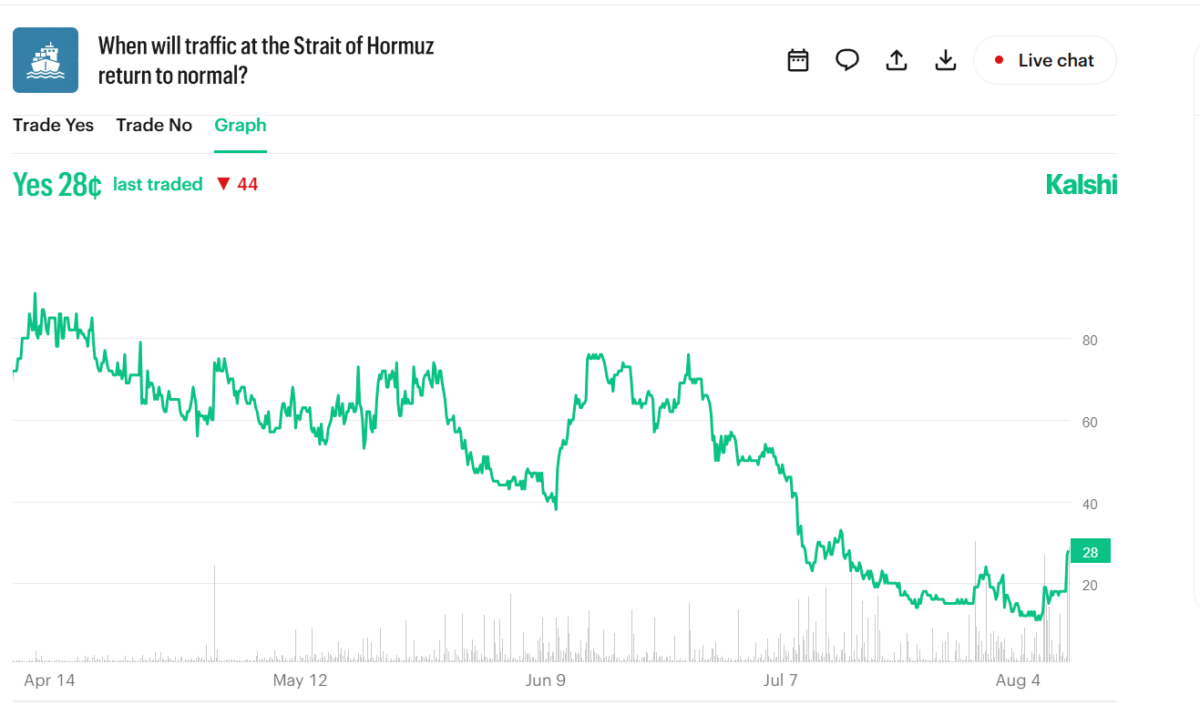
Oil prices declined on market expectations that the United States is moving toward an arrangement with Iran to reopen the Strait of Hormuz — a development that, while restoring shipping traffic, would mark a significant geopolitical shift from the free navigation conditions that prevailed as recently as February 27.
The strait is one of the world's most critical energy chokepoints, with roughly a fifth of global oil consumption routinely passing through it, which is why the disruption has sent repeated waves through crude markets.
Under the emerging framework, the situation would transition from unhindered passage through the strait to de facto Iranian control over inbound shipping.
According to The New York Times, an arrangement with Iran to reopen the strait could come with a geopolitical cost for the United States. Iranian officials say they are designing the accord to ratify their capacity to control the strait and retain strategic leverage that they did not employ before the war.
Officials familiar with the emerging proposal have said that, under the new framework, vessels heading into the Persian Gulf would have to transit a channel controlled by Iran, while outbound ships would travel on a channel near Oman.
Such a deal would allow maritime traffic to resume, though the financial cost remains uncertain. The shipping industry typically prices transit through high-risk waterways with elevated war-risk insurance premiums, and it is not yet clear on what terms commercial operators would accept Iran-controlled inbound routing.
Source: Kalshi, as of 8/4/2026 noon CT.
This outcome would stabilize the volatile on-off-on pattern that has characterized oil market prices amid the disruption. Gulf Arab states, which depend on the strait for the bulk of their petroleum exports, have long relied on freedom-of-navigation principles to keep the waterway open; any framework formalizing Iranian authority over inbound traffic would depart from that decades-long standing arrangement.
However, the sustainability of any agreement remains in question. Given President Trump's documented pattern of shifting policy approaches, there is uncertainty over whether a deal would hold over time. Critics of an arrangement of this nature could argue that it permits the Iranians "a win," potentially provoking political recriminations and spurring another reversal in U.S. policy. Key indicators to watch include confirmation of final terms, the response of Gulf Cooperation Council members, and any movement in maritime insurance rates for the corridor.

