Oil Holds Near $90 as Trump's 'Toughest Sanctions in History' Leave Markets Unmoved
Key Takeaways
- •Iran and Oman report progress on a temporary shipping corridor, but Tehran says Hormuz passage stays blocked until Washington lifts sanctions, ends its blockade, and pays compensation.
- •Saudi Aramco has sold at least 4 million barrels of Arab Medium and Heavy crude to PetroChina for September loading outside the Strait of Hormuz.
- •Six EU countries, including Germany and Spain, are seeking talks on an EU-wide oil windfall profit tax as European diesel prices have risen more than 70% since the war began.
- •Britain's household energy price cap will rise to £1,723 from October, with domestic energy debt potentially climbing from £6 billion to £7 billion by year-end.
- •Canada will impose tariffs of 15–50% on nearly $20 billion of US goods from September 8, doubling duties on US steel and aluminium to 50%, while sparing energy imports.
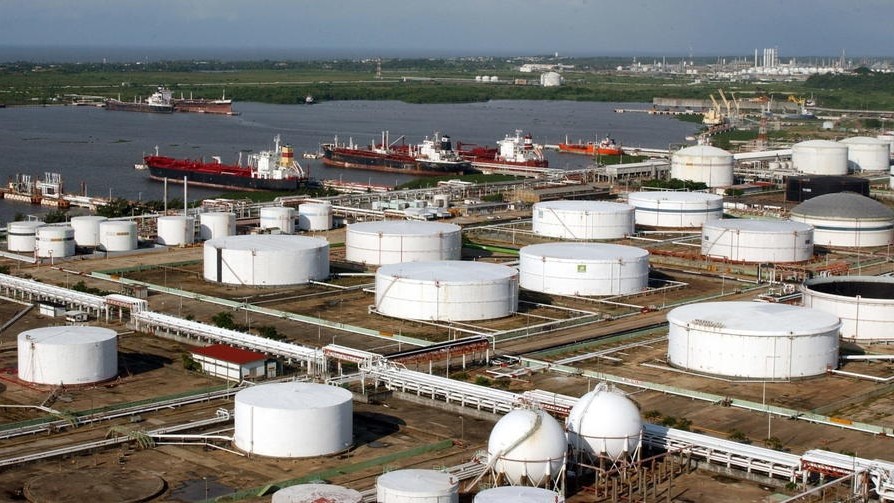
Oil prices are holding near $90 per barrel despite sweeping new US sanctions on Iran, as uncertainty over Strait of Hormuz transits keeps markets on edge.
The US announcement of the 'toughest sanctions in history' against Iran did relatively little to push oil prices away from their comfort zone around $90 per barrel (ICE Brent), with Qatari and Pakistani mediation so far failing to bring the warring sides closer. After President Trump rejected any extension of the June memorandum of understanding, the on-and-off nature of Hormuz transits is expected to be the main driver of price movements in the coming days. The stakes are considerable: roughly a fifth of the world's oil consumption normally passes through the Strait of Hormuz, which is why even temporary disruptions ripple through global freight routes and refining margins far beyond the Gulf.
Hormuz Deal Inches Forward, but Strait Stays Shut. Iran and Oman are negotiating a temporary shipping corridor and have reported progress on control and revenue-sharing. Tehran insists, however, that passage will remain blocked until Washington lifts sanctions, ends its blockade, and pays compensation.
Saudi Heavy Crude Finds a Route Around Hormuz Risk. Saudi national oil company Saudi Aramco (TADAWUL:2222) has sold at least 4 million barrels of Arab Medium and Heavy crude to PetroChina for September loading outside the Strait of Hormuz, ramping up Gulf transits as loadings at Yanbu falter. The move illustrates why Riyadh invested billions over the decades in the East-West pipeline and Red Sea terminals: infrastructure that bypasses Hormuz has become a decisive commercial advantage during the standoff.
Europe Revives Windfall Tax as Diesel Soars. Six EU countries, including Germany and Spain, are seeking September talks on an EU-wide oil windfall profit tax as the Hormuz crisis inflates energy costs. European diesel prices have surged more than 70% since the war began, versus 25% for crude and 20% for gasoline. The proposal echoes the EU's 2022 emergency levy on fossil fuel producers' surplus revenues following Russia's invasion of Ukraine, when the bloc temporarily capped revenues of electricity producers and taxed oil and gas windfalls.
Iran War Pushes UK Winter Energy Cap Up 4%. Britain's household energy price cap will rise to £1,723 from October as UK natural gas prices have doubled from pre-war levels, lifting unit costs to a three-year high. The increase threatens to push domestic energy debt from £6 billion currently to £7 billion by year-end.
India's Coal Plants Start Running on Empty. India's Energy Ministry reported that 45 coal plants have critically low inventories, up from 31 in July, as rains disrupt mining in northeastern regions while El Niño heat lifts cooling demand across the west. Nationwide coal stocks have dipped 19% to 30.95 million tonnes. The squeeze is a reminder that coal still generates roughly 70% of India's electricity, leaving the grid acutely sensitive to fuel-supply shocks heading into the post-monsoon demand season.
Trump Seeks a Long-Term Lock on Venezuelan Oil. The Trump administration is nearing an accord granting US companies access to 17 oilfields and guaranteeing the resulting crude supplies to US refiners, although the proposed lease-and-auction model could clash with Venezuela's constitution. For US Gulf Coast refiners, heavy Venezuelan crude is a natural substitute for sanctioned Iranian barrels, since both suit the complex coking units built to process heavy feedstock.
Japan Wants Its LNG Carriers Built at Home Again. Tokyo plans to restore domestic LNG shipbuilding and construct 3–5 vessels annually from 2035, rebuilding capacity lost to South Korea and China since 2019. Japan will need subsidies and technology transfers to close its cost and expertise gaps. The push is part of a broader run of industrial-policy programs among importing nations aiming to secure supply chains for energy commodities after successive price shocks.
Key US LNG Terminal to Double Capacity. US LNG developer Sempra Infrastructure (NYSE:SRE) has begun federal permitting for a 27 mtpa expansion that would lift total capacity to 54 mtpa by 2036. The expansion would require 7.5 BCf/d of feedgas—far above its current 4 BCf/d of pipeline capacity.
Canada Hits Back With 50% US Metals Tariffs. Ottawa will impose matching duties of 15–50% on nearly $20 billion of US goods from September 8, doubling tariffs on American steel and aluminium to 50% after trade talks failed. Energy imports will be spared, and a $5.4 billion domestic support package has been launched.
White House Trades Biofuels for Pump-Price Relief. The Trump administration is pushing for 1.2–1.8 billion RIN waivers to be issued to small refiners to bring gasoline prices below $4 per gallon, a move that could eliminate 500 million gallons of biodiesel and renewable diesel demand in the US. The clash between pump-price politics and biofuel policy has recurred in Washington for years, as refiners' compliance costs under the Renewable Fuel Standard tend to rise alongside gasoline prices.
Panama Canal Slot Hits a Record $5.3 Million. South Korea's SK Gas reportedly paid $5.3 million to secure passage as El Niño forces the canal to cut daily transits to 32 in September. Roughly half of US LPG carriers are being pushed around Africa, extending Houston–Japan voyages from 26 to 45 days. The bottleneck compounds a second year of drought-driven restrictions on the canal, which handles a significant share of US LPG and container trade between the Atlantic and Pacific basins.
Brazil's Oil Export Tax Gets Extended—and Suspended. The Brazilian government extended the 12% oil export levy for 60 days from September 8 just as a federal court ordered its suspension, setting up a legal battle with producers including Petrobras, which paid around $948 million in export taxes in the second quarter.
French Major Exits Russia's Top LNG Project. France's TotalEnergies (NYSE:TTE) transferred its 10% stake to Novatek subsidiary NordLine, formally ending its ownership in the sanctioned Russian LNG project while retaining the right to recover $1.3 billion in shareholder loans once sanctions are lifted.
Oil Trader Eyes a $1.5 Billion Haynesville Gas Bet. Commodities trader Gunvor is in early talks to acquire Silver Hill's assets for $1.2–1.5 billion, adding 58,000 acres and 370 MMcf/d of production as it builds an integrated US gas position geared toward rising AI power demand and Gulf Coast LNG exports.
Jellyfish Back at It Again. Swarms of jellyfish have curbed output at France's Gravelines nuclear plant for the second time this month, leaving four of six 900-MW reactors offline and reducing production from the other two. A looming union strike helped push French month-ahead power prices to their highest level since January 2025.
By Tom Kool for Oilprice.com

