Capital Economics Warns October Budget Could Bring Tax Rises Matching Last Year's £26bn Hikes
Key Takeaways
- •Capital Economics deputy chief UK economist Ruth Gregory forecasts potential October Budget tax increases of up to 0.8% of GDP, roughly equivalent to last year's £26bn levy package.
- •Labour's manifesto pledges prevent the government from raising income tax, employee National Insurance, corporation tax, or VAT, which together account for 54% of all government revenue collected.
- •Any new tax measures are considered more likely to fall on individuals through adjustments to pension taxation, inheritance tax, capital gains tax, or broader wealth taxation.
- •British Chambers of Commerce research shows that annual policy-driven costs for a typical mid-sized firm have risen from approximately £1.16m in 2016 to £1.98m, an increase of over 70%.
- •Roughly one quarter of the cumulative policy-driven cost burden imposed on businesses over the past decade has been added in just the last two years.
A note from one of the City's leading economists warns that the upcoming October Budget could see tax increases approaching the scale of last year's measures, when Rachel Reeves introduced £26bn in new levies. The forecast comes against a backdrop of a UK tax burden already at its highest level in decades, leaving limited fiscal headroom for further revenue-raising without political consequence.
Ruth Gregory, Deputy Chief UK Economist at Capital Economics, suggests that higher taxes "perhaps worth up to 0.8 per cent of GDP may do the heavy lifting in funding Prime Minister Burnham's policy ambitions." At roughly current UK GDP levels, 0.8 per cent translates to an amount in the same order of magnitude as last year's £26bn package, underscoring the scale Gregory envisions.
Manifesto Constraints Limit Options
Burnham has committed to the tax pledges outlined in Labour's manifesto, effectively ruling out increases to income tax, employee National Insurance, corporation tax, or VAT. Together, these four levies account for 54 per cent of all government revenue collected.
This leaves policymakers with a narrow set of options: raising taxes not explicitly addressed in the manifesto, introducing entirely new taxes, or broadening the existing tax base. The first approach could fall heavily on businesses, with the bank surcharge and sector-specific levies on energy profits or digital services reportedly under consideration. Separately, a City AM report noted that a senior banking executive has already warned the government over the potential impact of such measures.
Individuals May Bear the Brunt
Gregory assesses that if tax rises materialise in the Autumn, they are more likely to target individuals and households. Potential mechanisms include adjustments to pension taxation, inheritance tax, capital gains tax, and broader wealth taxation. Such measures, while politically less visible than direct income tax changes, have historically drawn pushback from affected constituencies and can take years to yield projected revenues.
Business Cost Burden Climbs 70 Per Cent in a Decade
Whether businesses avoid another Budget hit remains uncertain. According to research by the British Chambers of Commerce, government-imposed "policy-driven costs" have surged by more than 70 per cent over the past decade.
Their findings show that a typical mid-sized firm — defined as one with 50 employees and a £5m turnover — now faces approximately £1.98m per year in domestic policy-driven costs, a sharp rise from £1.16m in 2016. This figure encompasses minimum wage increases, employer National Insurance contributions, energy bill levies, pension costs, business rates, and regulatory compliance expenses. It excludes corporation tax and general inflationary pressures such as rent and input costs.
While successive governments share responsibility for the cumulative increase, roughly a quarter of the cost burden imposed on business over the past decade has been added in just the last two years.
Call for Engagement with Business Owners
Against this backdrop of escalating costs, consumer-facing measures such as making subscription cancellations easier have drawn criticism as insufficient given the scale of the challenge facing enterprises.
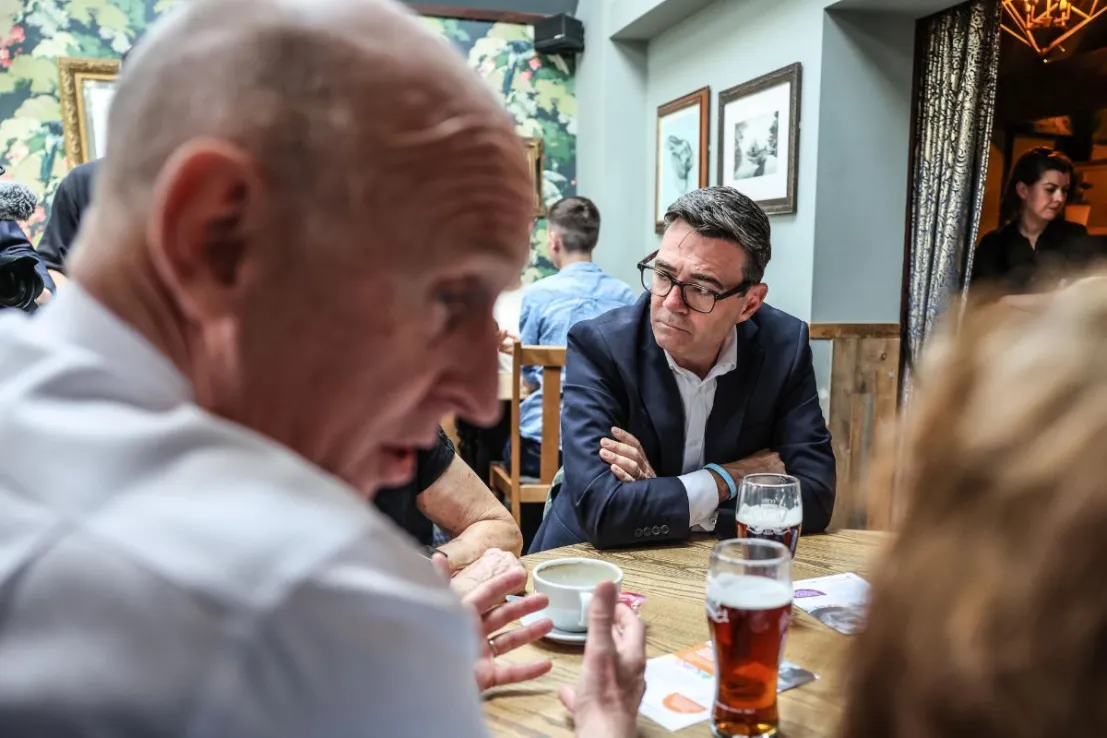
The Prime Minister is currently undertaking what has been described as a "cost of living tour." Business groups will be watching closely to see whether that engagement extends to the concerns of employers facing mounting operational costs, and whether the October Budget's tax decisions are accompanied by measures aimed at easing the cumulative burden the BCC has documented.

