Obama's Cheesecake Factory Joke Was 'Rage-Bait' Aimed at Trump, Los Angeles Times Columnist Argues
Key Takeaways
- •Barack Obama joked at a Cleveland rally that Donald Trump had overhauled the White House as if 'Saddam Hussein opened a Cheesecake Factory,' and the remark went viral.
- •Los Angeles Times columnist Anita Chabria characterized the joke as crafted 'rage-bait' meant to provoke a reaction, citing Trump's furious response as evidence it worked.
- •Treasury Secretary Scott Bessent, who is worth at least $500 million, visited a Cheesecake Factory and accused Obama of elitism over the restaurant reference.
- •Chabria argues Trump and Hussein share real parallels, including a fondness for gold, ostentatious monuments like Baghdad's Victory Arch, and fantastical imagery similar to Trump's AI-generated portraits.
- •Chabria notes the irony of elitism accusations against Obama, pointing to Trump's Texas rally remark that $5,000 at Mar-a-Lago would buy little more than a hamburger and a small dessert.
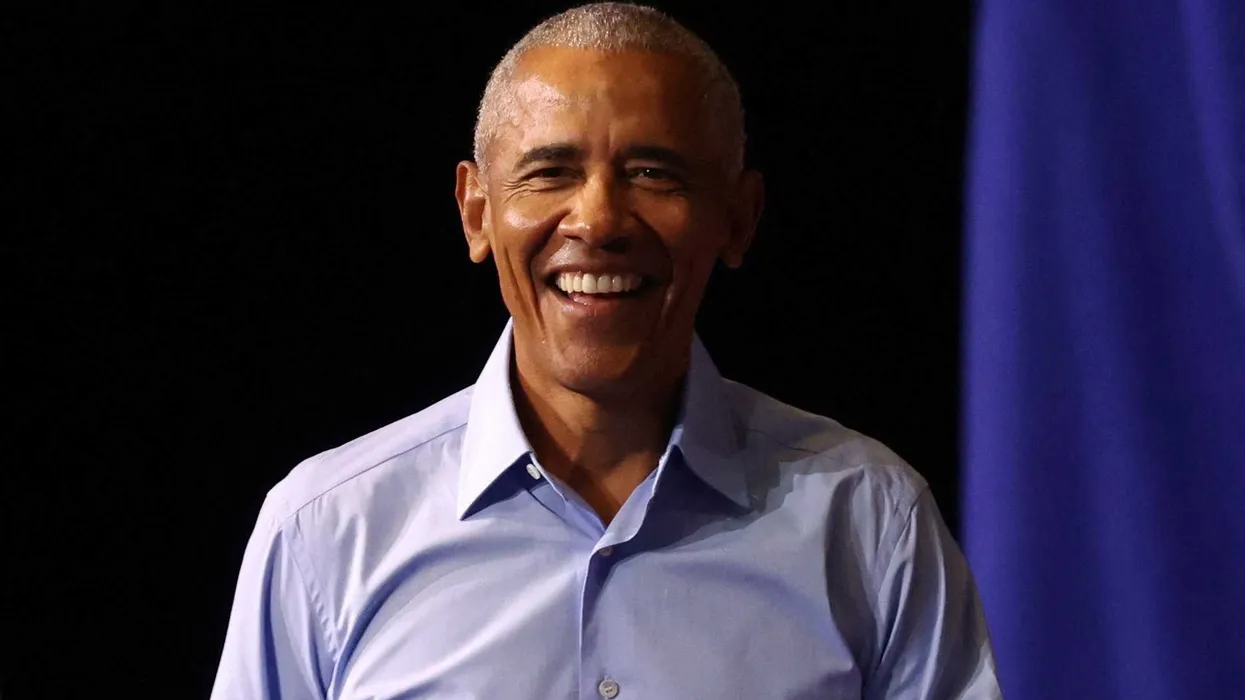
Former President Barack Obama went viral at a rally in Cleveland last weekend with a joke suggesting that President Donald Trump had given the White House an overhaul, as if "Saddam Hussein opened a Cheesecake Factory."
According to Los Angeles Times columnist Anita Chabria, writing in her opinion newsletter for the paper, the president took the bait. "Trump lost it," she writes. Chabria argues that if there is anything learned about Trump in recent years, it is that he is as fond of gold as he is of hating Obama. "Roll them together in one moment, and the leader of the free world can't help but freak out," she adds.
Chabria also draws attention to Treasury Secretary Scott Bessent, who is worth at least $500 million, visiting a Cheesecake Factory — the casual-dining chain with locations across the United States — where he had no trouble calling out Obama for elitism over the restaurant reference in his joke about Trump.
In her view, Obama was not merely cracking a joke but was "masterful at political strategy" in eliciting a response from the president. "It was rage-bait, crafted for engagement," she writes.
Chabria observes that Trump did not appear to mind being compared to the dictator who made thousands disappear or die in the name of power. Hussein ruled Iraq for more than two decades before U.S.-led forces toppled his government in 2003. Indeed, she notes, none of the rebuttals from Trump and his allies has mentioned Hussein. She does not believe Obama was careless in his choice of words or simply chasing a laugh; she sees real parallels between the two men.
Like Trump, Hussein had a taste for ostentatious monuments to his authority, Chabria writes, citing a "Victory Arch" in Baghdad and a similar structure on Trump's wishlist. Hussein also favored odd fantasy art of dragons and muscled men, akin to the AI-generated images of himself that Trump is so partial to.
Then there is the gold. Hussein's homes were full of marble, granite, gilt and gold, right down to the gold-plated toilet accessories that American and British troops came across in his palaces, she notes. Chabria adds that there is a "Marie Antoinette-style" resemblance between Hussein's narcissism and Trump's fixation on all that is shiny — a nod to the French queen whose name remains shorthand for royal excess.
She sums up how the White House reacted to a single joke, complete with callbacks to the 2014 tan-suit controversy and Obama's Martha's Vineyard vacations: "Dozens and dozens of Trump minions parroted the same line for days — how dare Obama mock such a beloved American eatery? How out of touch. How tan-suit, Martha's Vineyard of him. Trump brought it up at multiple rallies. The official White House social media account posted about it. It was all over the right-wing ecosphere for days." The episode underscores how a single rally line, once amplified by official accounts and allies, can dominate political conversation for days.
Chabria also finds irony in Trump's charge of elitism against Obama. She cites a remark from a Texas rally in which Trump offered to host supporters at Mar-a-Lago, his private club in Palm Beach, Florida: "You'll be my guest at Mar-a-Lago," he said. "The problem is that for $5,000, the most you'll be able to buy is a hamburger and maybe a small dessert. ... I'm not even sure you could buy that. No, don't go there. That's not a good place if you're price conscious."

