New York Times Rebuts White House Denial, Citing Trump's Own Words on Disaster Aid
Key Takeaways
- •White House communications director Steven Cheung publicly called the New York Times report "complete fiction" and said no disaster aid is being withheld.
- •The New York Times responded that its reporting on withheld aid is grounded in statements made by President Trump and Vice President JD Vance.
- •According to the report, states that vote Democratic appeared to face longer waits or denials of disaster assistance, a pattern based on an analysis of federal disaster declarations during Trump's second term.
- •Trump approved federal disaster aid for Ohio last month one day before attending a re-election rally for Republican Senator Jon Husted.
- •Sarah Labowitz of the Carnegie Endowment for International Peace warned that allowing political interests to shape disaster relief decisions creates a bad system that could affect anyone.
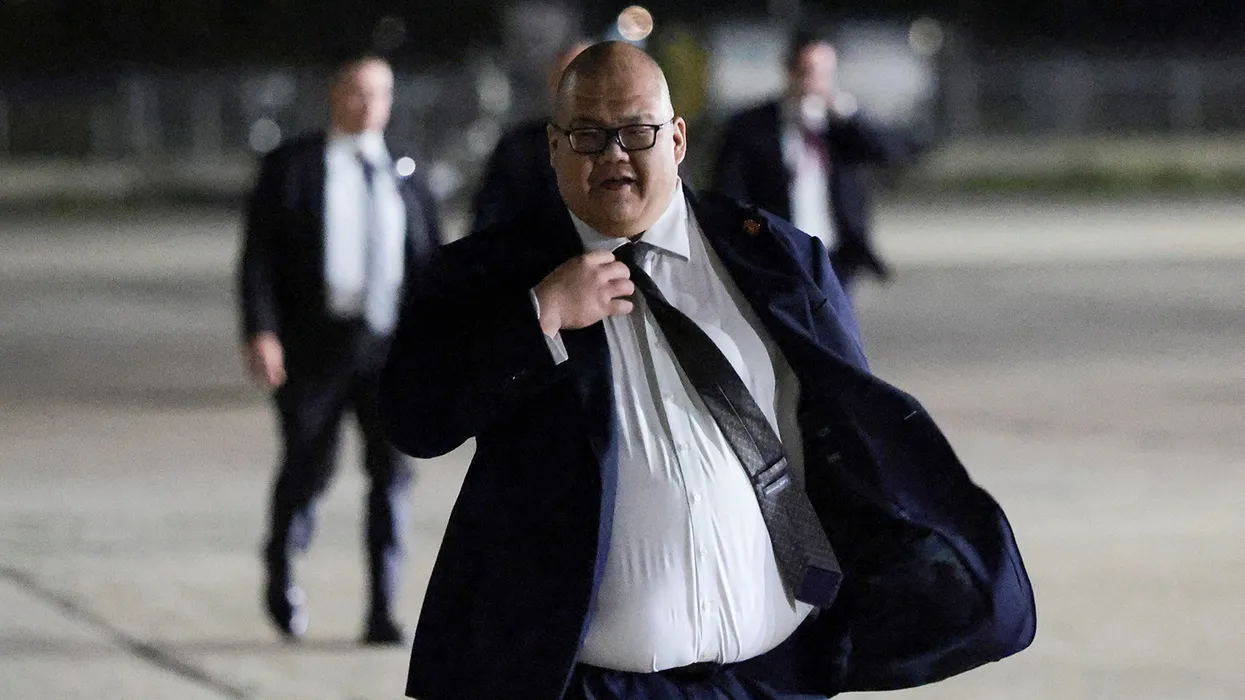
The New York Times is pushing back against allegations that the publication failed to fact-check its recent report, which accused the Trump administration of using disaster aid to influence political choices.
The dispute erupted after Steven Cheung, assistant to the president and White House director of communications, addressed the report in a post on X, writing: "This story is complete fiction. Nobody is withholding any disaster aid. The 'expert' the NYT cites is actually a Democrat donor and extreme liberal nut job." X post
The exchange has unfolded in public on X, with the White House communications director and the newspaper's public-relations account responding to each other directly, in full view of readers, rather than through intermediaries.
The Times responded directly. In a post on X, the newspaper stated: "As our article fact reports, any suggestion that the administration is withholding aid comes directly from words spoken by President Donald Trump and Vice President JD Vance." X post
The report outlines several instances in which President Trump and his aides allegedly withheld disaster relief funds from states whose voters elected Democratic officials. In one case, Trump said he would withhold aid if Democrat Roy Cooper won a Senate seat in North Carolina, before later characterizing his remarks as a joke. According to the report, states that vote Democratic appear to face longer waits for assistance or denials of their requests — a pattern the Times says was verified through an analysis of federal disaster declarations during Trump's second term. Those declarations are the formal step that unlocks federal assistance for storm-hit states, which is why the timing and geography of the decisions carry real consequences for communities still rebuilding.
The report also highlights the timing of aid decisions. Last month in Ohio, Trump approved federal disaster aid one day before attending a rally for Republican Senator Jon Husted, who is running for re-election. The funding is intended to support communities recovering from the severe storms that struck in August.
Speaking recently in Greenville, North Carolina, about the impact of 2024's Hurricane Helene, Trump referred to the storm as a "water-cane" because of the volume of rain it produced. He blamed former North Carolina Governor Roy Cooper, asserting that Cooper did nothing to help with the post-storm cleanup. "It was a disaster," Trump said. "I've never seen anything like it. I've been to some bad ones. This was one of the worst. Roy Cooper did nothing. And the only way it got fixed is when I became president on Jan. 20."
Cooper's campaign aides countered by pointing to the executive orders he issued while governor to speed up recovery from Helene.
Experts warn that the administration's actions underscore the risks of allowing political interests to shape disaster relief decisions. "People are smart enough to know that if the president wants to take away some people's disaster aid, they can take away your disaster aid, and that's just a bad system," said Sarah Labowitz, a senior fellow who studies disaster policy at the Carnegie Endowment for International Peace.
For now, the standoff leaves open questions: whether the White House offers a fuller response beyond Cheung's post, and whether upcoming disaster declarations and aid decisions add to, or cut against, the pattern described in the report.
Source: Alternet

