NYSE Develops Onchain Settlement Platform for Tokenized Securities
Key Takeaways
- •NYSE's blockchain platform would pair its Pillar matching engine with distributed ledger settlement infrastructure to enable continuous trading, atomic settlement, stablecoin funding, and multi-chain compatibility.
- •Atomic onchain settlement would compress the current T+1 equity settlement standard to effectively T+0, eliminating the counterparty exposure window between trade execution and completion.
- •NYSE designated Securitize as the platform's first digital transfer agent through an August 2026 memorandum of understanding, with Securitize responsible for token issuance and transfer agency services.
- •No launch date has been confirmed as of early August 2026 because the platform requires regulatory approvals that NYSE is still actively pursuing.
- •Real-time onchain settlement could complicate the DTCC's central role in US securities clearing, potentially requiring coordination or a redefinition of post-trade responsibilities.
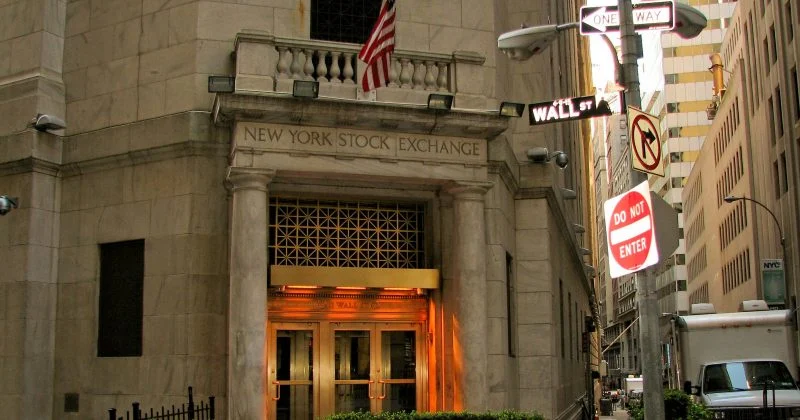
The New York Stock Exchange is developing a blockchain-based platform for trading and settling tokenized securities, according to an announcement first made on January 19, 2026.
The platform, built under NYSE's parent company Intercontinental Exchange (ICE), will integrate the exchange's existing Pillar matching engine with blockchain infrastructure for post-trade operations. The system is designed to support 24/7 trading, instant onchain settlement, dollar-denominated orders, stablecoin funding, and multi-chain compatibility. The effort arrives amid a broader acceleration of institutional tokenization, with asset managers including BlackRock and Franklin Templeton having already launched tokenized money market funds on public blockchains, signaling growing comfort with onchain financial infrastructure among incumbent players.
Matching Engine Paired with Blockchain Rails
NYSE positions the platform to accommodate both tokenized versions of traditionally issued securities and natively issued digital securities.
A central feature is atomic settlement, in which the trade execution and ownership transfer occur simultaneously. Traditional US equity trades currently settle on a T+1 basis, meaning settlement occurs one business day after the trade is executed—a standard that itself was only adopted in May 2024, when the US market compressed its settlement cycle from T+2. Atomic onchain settlement would represent a further reduction to effectively T+0, eliminating the counterparty exposure window that exists between trade execution and completion.
Stablecoin funding is intended to enable continuous operations. Rather than routing payments through legacy banking infrastructure—which is unavailable on weekends—traders could fund positions using stablecoins.
Securitize Named First Digital Transfer Agent
On August 8, 2026, NYSE disclosed a memorandum of understanding with Securitize, designating the firm as the first digital transfer agent for the platform. Securitize has previously collaborated with BlackRock on tokenized investment fund projects, including the BlackRock USD Institutional Digital Liquidity Fund (BUIDL) on the Ethereum blockchain.
The exchange is assembling a modular ecosystem rather than building every component internally. NYSE will manage order matching and market structure. Securitize will handle token issuance and transfer agency. Blockchain networks, none of which have been publicly named, will handle settlement.
Regulatory Considerations
The platform's timeline remains contingent on regulatory approval. NYSE is actively pursuing the necessary clearances, and as of early August 2026, no launch date has been confirmed.
A key unresolved question concerns the Depository Trust & Clearing Corporation (DTCC), the central clearinghouse for US equities. Real-time onchain settlement by NYSE could complicate the DTCC's role in the post-trade workflow, potentially requiring coordination or a redefinition of responsibilities between the exchange and the clearing infrastructure that has underpinned US securities settlement for decades.
NYSE is not the only exchange pursuing this direction. Nasdaq has also been exploring tokenized trading mechanisms, and international venues including the London Stock Exchange and Switzerland's SIX Digital Exchange have advanced their own tokenization initiatives. What remains to be seen is whether US regulators grant the necessary approvals to let a major US exchange operate blockchain-based settlement at scale, and how existing market infrastructure participants adapt to a model that could compress or bypass their current roles.

