NYK to Take NS United Kaiun Private in Near-$1bn Deal
Key Takeaways
- •The combined transaction totals roughly ¥156.9 billion, or about $992 million, and will raise NYK's stake in NS United Kaiun from 18.55% to 83.33%.
- •The tender offer price of ¥10,600 per share represents a 36.95% premium to NS United's July 30 closing price, and the NS United board has recommended that shareholders accept.
- •The tender offer requires competition clearances from authorities in Japan, Australia, China, and Brazil, corresponding to key iron ore and coking coal trade routes.
- •NS United operates approximately 210 vessels focused on steel-industry-related cargoes, while NYK's broader group runs over 900 ships including more than 400 dry bulk vessels.
- •The deal continues a wider consolidation of Japanese dry bulk shipping, following NYK's acquisition of Saga Welco in July and the April formation of NYK Bulkship Partners through a three-company merger.
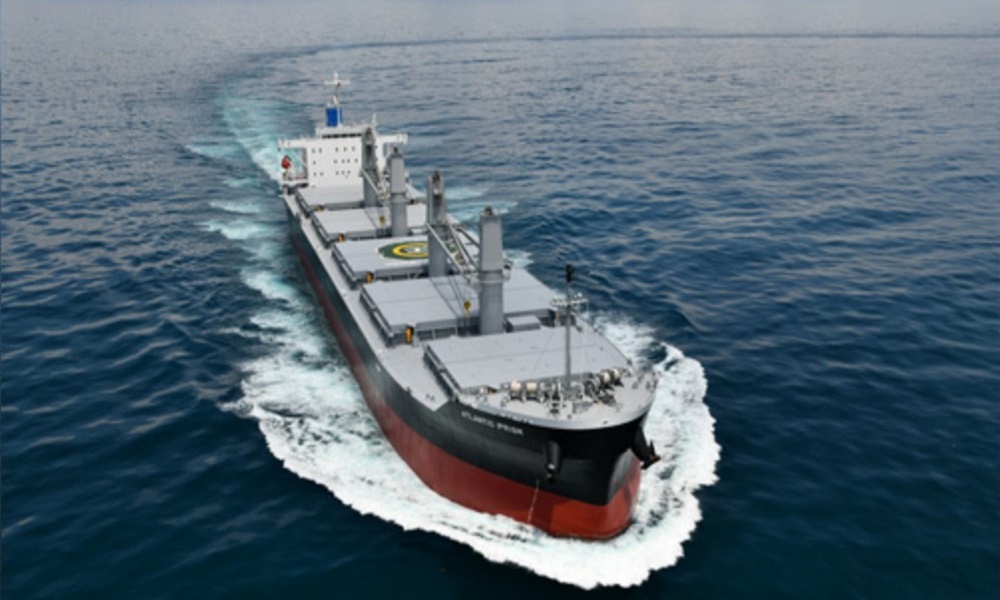
Japanese shipping major Nippon Yusen Kaisha (NYK) has outlined a two-stage transaction valued at nearly $1 billion to take its dry bulk affiliate NS United Kaiun private and raise its ownership stake to 83.33%.
Under the first stage, NYK will launch a tender offer at ¥10,600 per share for up to 11.38 million shares, representing the entire 48.29% holding held outside of NYK, Nippon Steel, and NS United's treasury stock. The tender is capped at ¥120.6 billion, approximately $765 million. The offer price represents a 36.95% premium to NS United's closing share price on July 30. NS United's board has endorsed the transaction and stated its intention to recommend that shareholders accept the offer once it commences.
The second stage involves NS United repurchasing 4.72 million shares from Nippon Steel for approximately $230 million. Following this buyback, Nippon Steel's stake will decrease from 33.36% to 16.67%, while NYK's holding will increase from its current 18.55% to 83.33%. The combined value of both stages totals ¥156.9 billion, or roughly $992 million. Nippon Steel's continued minority stake reflects the long-standing cross-shareholding ties that have historically linked Japan's largest steelmaker with its dedicated maritime transport providers.
If NYK does not secure all targeted shares through the tender, remaining minority investors will be squeezed out, clearing the path for NS United to delist from the Tokyo Stock Exchange.
The tender is expected to open in late November or December, contingent on competition clearances from authorities in Japan, Australia, China, and Brazil. Those four jurisdictions correspond to the core iron ore and coking coal trade lanes that define NS United's business, spanning the world's largest ore exporters in Australia and Brazil and the biggest importers in China and Japan.
NS United operates approximately 210 vessels across its international and domestic businesses, comprising roughly 130 oceangoing ships and 80 coastal vessels. The company maintains a strong focus on iron ore, coking coal, and other cargoes linked to the steel industry. NYK operates over 900 vessels across its group, including more than 400 ships in its dry bulk segment. NYK stated that bringing NS United under full control would enhance vessel deployment efficiency and reduce procurement costs across fuel, ships, and financing, while also strengthening relationships with steel industry customers.
NS United has continued to invest in larger, lower-emission tonnage. Earlier this year, the company signed long-term charter agreements with Rio Tinto covering two 209,000 dwt methanol dual-fuel newcastlemaxes scheduled for delivery from 2028.
The transaction extends a broader consolidation of NYK's dry bulk interests. The group completed its acquisition of 48-ship open-hatch operator Saga Welco in July and established NYK Bulkship Partners in April through the merger of Asahi Shipping, Hachiuma Steamship, and Mitsubishi Ore Transport. The move mirrors a wider pattern among Japanese shipping groups, which have progressively consolidated dry bulk and containership operations to improve scale economies since the formation of Ocean Network Express in 2017.
Source: Splash247

