Nvidia (NVDA) Stock Rises as CEO Jensen Huang Pushes Back Against AI Regulation
Key Takeaways
- •Nvidia shares climbed 1.6% to $215.65 after CEO Jensen Huang argued that the AI industry needs no new laws, framing safety as an engineering problem controlled by market forces.
- •The Trump administration, including President Trump, Treasury Secretary Scott Bessent, and AI adviser David Sacks, publicly endorsed Huang's position, joined by Meta CEO Mark Zuckerberg.
- •Earlier comments from Anthropic and OpenAI executives in favor of slowing AI development had raised investor fears that regulation could limit sales of Nvidia's processors.
- •Nvidia reported quarterly revenue of $96.22 billion, up 105.9% year over year, with earnings per share of $2.22 beating the $2.09 analyst estimate.
- •Analyst consensus stands at a $324.34 price target with an average 'Buy' rating across 55 analysts, while Nvidia has reportedly agreed to acquire Hugging Face for approximately $12.9 billion.
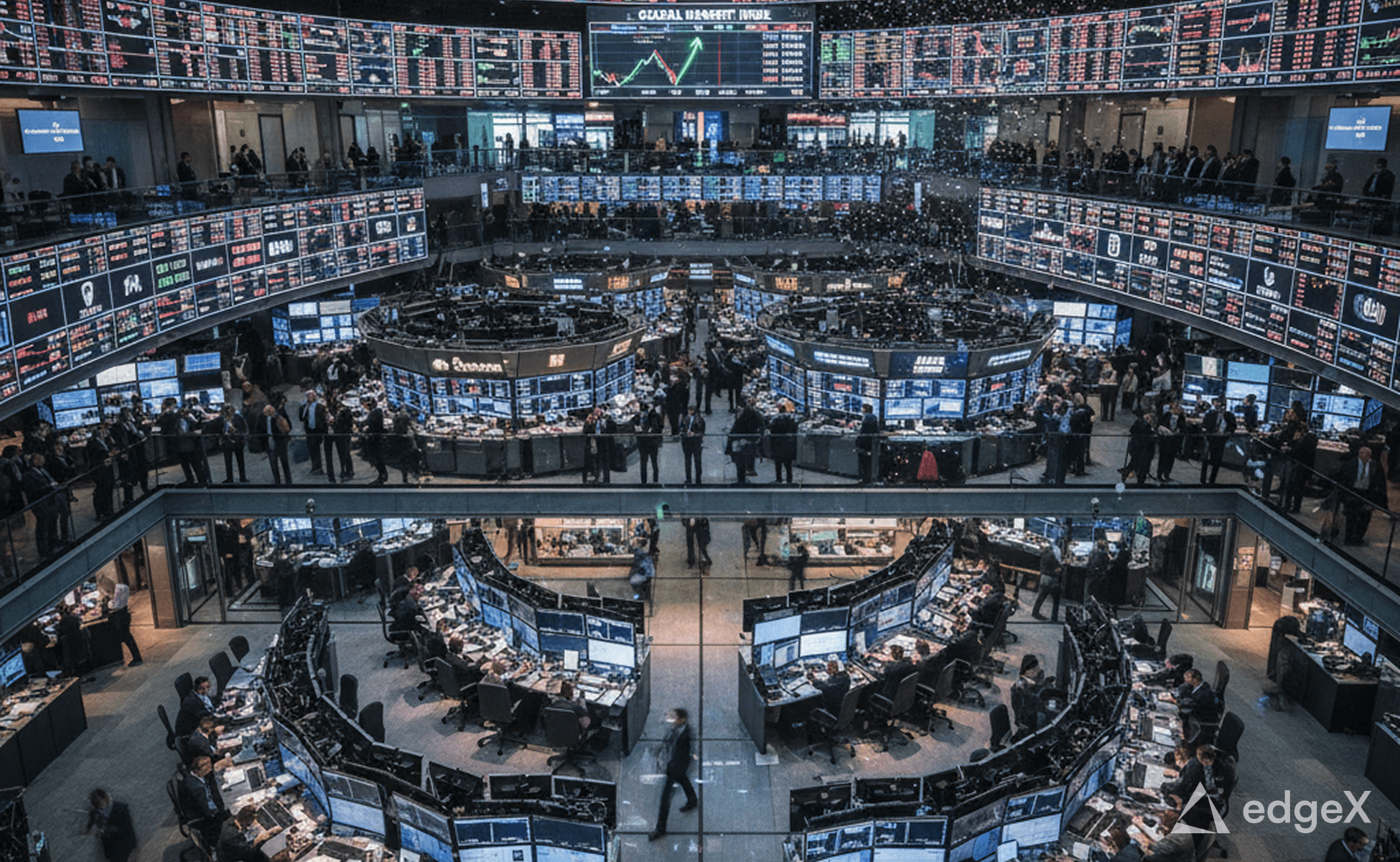
Nvidia shares climbed 1.6% to $215.65 in Wednesday trading after Chief Executive Jensen Huang made a public stand against new AI regulations, a position that drew swift backing from the White House and from several of the most prominent names in technology.
NVIDIA Corporation (NVDA) has found itself at the center of an intensifying debate over whether governments should step in to police the fast-moving AI sector, with the company's fortunes closely tied to continued demand for its processors. Unlike the AI labs at the heart of the dispute, Nvidia sits upstream of the industry, selling the processors that other companies depend on to train their models — a position that puts the regulatory question squarely on its doorstep.
Huang made the comments at a Salesforce conference in San Francisco on Tuesday, arguing that the AI industry does not need new laws to keep itself in check.
“Safety is an engineering problem,” Huang said. “If you build a product or a service and you’re not confident in its functionality, capability, or safety, then don’t release it. The market forces are already there. We don’t need any new laws. We don’t need new regulations.”
His intervention followed a rough start to the week for NVDA. Executives at Anthropic and OpenAI had spoken in favor of slowing AI development, raising fears among investors that potential regulation could limit sales of Nvidia's chips.
Meta CEO Mark Zuckerberg added fuel to the anti-regulation camp, posting on social media on Tuesday that individual AI labs already have the incentives to train their models safely.
The exchange has highlighted a growing divide within the industry between executives urging caution and those who argue that regulation could slow development. For Nvidia, whose chips underpin much of the world's AI infrastructure, the outcome carries direct commercial consequences. The dispute also matters well beyond one company: any restrictions on how quickly AI can scale would shape the pace of data center construction and processor demand across the sector.
White House Backs Huang
The Trump administration quickly aligned itself with Huang's position. Treasury Secretary Scott Bessent and White House AI adviser David Sacks both cited Huang's comments approvingly.
President Trump had already called Huang on Monday during a summit appearance to publicly push back against calls for an AI slowdown. That kind of direct presidential support is not something most chief executives can count on.
The stakes for Nvidia are considerable. Any regulation that limits purchases of its AI processors for training new models would strike at the company's core business, and a moratorium on new data center construction — a measure floated by Senator Bernie Sanders — would represent a worst-case scenario for the chipmaker. Whether such proposals gain traction in Congress remains an open question as the debate shifts from conference stages to Washington.
Analysts Still Bullish
On the fundamentals, the picture looks solid. Nvidia reported revenue of $96.22 billion in its most recent quarter, up 105.9% year over year.arnings per share came in at $2.22, beating the $2.09 analyst estimate by $0.13.
The stock opened at $227.38 on Tuesday and trades within a 12-month range of $164.27 to $236.54. Its market capitalization stands at $5.48 trillion.
Institutional ownership remains high at 65.27% of shares outstanding, and recent institutional buyers include Bank of America, Amundi, and Dimensional Fund Advisors.
Analyst price targets have been creeping upward. Truist Financial lifted its price target to $346, KGI Securities raised its own to $345, and the consensus sits at $324.34 with an average “Buy” rating across 55 analysts.
On the deal front, Nvidia has reportedly agreed to acquire Hugging Face for approximately $12.9 billion, a move that would give the company access to a large ecosystem of AI models and developers.
One area worth watching is insider activity. Corporate insiders sold approximately $392.7 million worth of stock over the past 90 days, including a $144 million sale by director Mark Stevens in early September.
Separately, Nvidia declared a quarterly dividend of $0.25 per share, payable October 1st, which represents a yield of 0.4%.

