Nvidia's N1X-Based RTX Spark Systems Launch in October in Two Configurations
Key Takeaways
- •Nvidia will begin selling RTX Spark systems built on its N1X chip in October, targeting Windows laptops and small desktops.
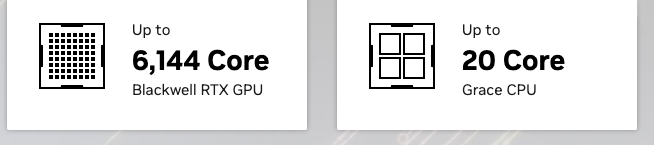
- •The N1X ships in two versions, with the higher-end model offering a 20-core CPU, 6,144 CUDA cores, and up to 128GB of unified memory.
- •Acer and Lenovo announced new Spark systems at IFA, indicating established AI PC supply chains are extending to Nvidia's chip.
- •The launch places Nvidia in competition with Qualcomm's Snapdragon X, AMD's Ryzen AI, and Intel's Core Ultra processors in the AI PC market.
- •Unlike the developer-focused DGX Spark running DGX OS, the RTX Spark is designed for Windows users and everyday AI-accelerated work.
Nvidia will begin selling RTX Spark systems built on its N1X chip in October, bringing a compact AI PC to Windows users and the hardware makers that build for them.
The launch extends Nvidia's desktop AI push into consumer laptops, with Acer and Lenovo already preparing machines based on the new chip. It also moves Nvidia more directly into the Windows-on-ARM laptop market, where Qualcomm's Snapdragon X series chips have been the most prominent option since their 2024 debut, and where AMD and Intel continue to sell x86-based AI PC processors under their Ryzen AI and Core Ultra brands.
Up to 6,144 CUDA cores paired with 20 CPU cores
The N1X will ship in two versions. The higher-end configuration pairs a 20-core CPU with 6,144 CUDA cores and 24GB to 128GB of unified memory, while the lower-tier version combines an 18-core CPU with 5,120 CUDA cores and 24GB to 32GB of unified memory.
Unified memory means a single pool is shared between the CPU and GPU, which is valuable when a machine has to load large AI models locally.
Nvidia's product page describes the lineup as "the fusion of NVIDIA AI and RTX graphics in slim laptops and small desktops" aimed at "creators, developers, and gamers." The company is targeting notebooks and small desktops.
Acer and Lenovo announced new Spark systems at IFA, the Berlin electronics trade show, signaling that partner hardware featuring the chip is on the way. Both manufacturers already ship Windows machines on Qualcomm's Snapdragon X platform, and their early support for N1X suggests the established AI PC supply chains are extending to Nvidia's chip.
GB10 Grace Blackwell chip is for developers
Last year, Nvidia introduced the DGX Spark, which it claimed was the world's smallest AI supercomputer.
That machine is powered by the GB10 Grace Blackwell Superchip, delivers up to 1 petaflop of AI performance with 128GB of unified CPU-GPU memory, and boots Nvidia's Linux-based DGX OS. The DGX Spark was designed for developers.
According to Nvidia, users can run inference on models with up to 200 billion parameters and fine-tune models of up to 70 billion parameters locally on the system. Two linked units can handle models as large as 405 billion parameters, the company said.
The RTX Spark, by contrast, is built for Windows users and everyday AI-accelerated work. The fact that both products support up to 128GB of memory shows they come from the same design family while serving different customers. What to watch after October is which additional PC makers adopt the N1X, how the systems are priced against Snapdragon X and x86-based AI laptops, and whether Nvidia's CUDA software stack becomes a differentiator for buyers running local AI models.
