Nvidia Posts $96.2 Billion Quarter, Guides Well Above Wall Street Expectations
Key Takeaways
- •Nvidia’s second-quarter fiscal 2027 revenue reached $96.2 billion, more than double the level a year earlier.
- •GAAP net income rose to $59.7 billion, while the data center business generated $89.0 billion and roughly 93% of total revenue.
- •Nvidia said its partnership with Amazon Web Services now includes an additional 2 million GPUs.
- •The company guided for about $108 billion in third-quarter revenue and projected roughly 70% revenue growth for fiscal 2028.
- •Memory shortages and supply chain constraints continue to slow Nvidia’s ability to fulfill customer orders, despite a backlog above $279 billion.
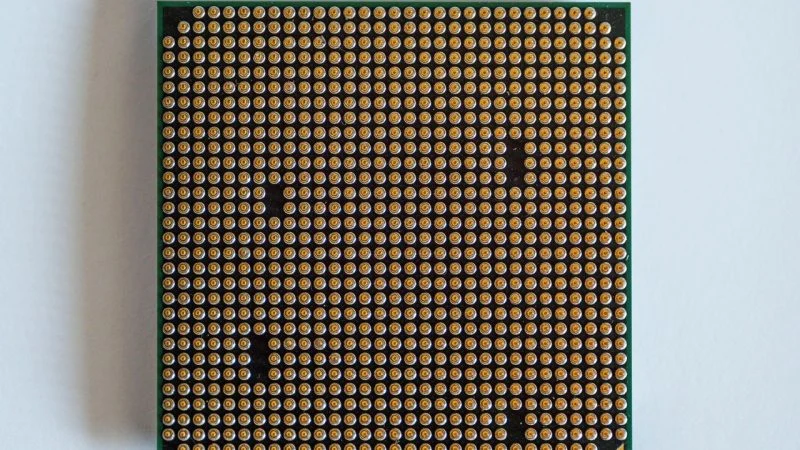
Nvidia delivered another blockbuster quarter and told investors that further growth lies ahead. The GPU giant posted $96.2 billion in revenue for the second quarter of its fiscal year 2027, more than doubling the $46.7 billion it brought in during the same period a year earlier. The figure represents a 106% year-over-year increase. Because Nvidia's fiscal year ends in late January, the quarter corresponds roughly to the May-through-July 2026 calendar period.
GAAP net income reached $59.7 billion, up 126% from the prior year.
Data Center Segment Powers the Results
As expected, the overwhelming majority of Nvidia's revenue came from its data center business. The segment generated $89.0 billion, a 117% increase year over year, and now accounts for roughly 93% of total company revenue. That concentration is a key reason Nvidia's quarterly reports have become one of the most closely watched gauges of global AI infrastructure spending: purchases by cloud providers and other large customers are most directly visible in this segment.
Nvidia disclosed that its partnership with Amazon Web Services has expanded to encompass an additional 2 million GPUs, a figure that illustrates the sheer scale of compute being deployed for artificial intelligence workloads. The commitment is also notable because AWS, like other cloud giants, develops its own custom AI silicon, including its Trainium chips, yet continues to purchase Nvidia GPUs at enormous scale.
CEO Jensen Huang described the current moment as an "inflection point" for artificial intelligence. While the phrase is used frequently across the technology industry, it carries additional weight when backed by triple-digit revenue growth and a backlog of customer commitments exceeding $279 billion.
Nvidia's Blackwell Ultra platform is now actively deployed, and the company has begun shipping its next-generation Vera Rubin system, the follow-on release in the roughly annual data center product cadence Nvidia has laid out.
Guidance Catches Wall Street Off Guard
The outlook drew the strongest reaction. Nvidia guided for approximately $108 billion in revenue in its fiscal third quarter, give or take 2%. For fiscal year 2028, the company projected roughly 70% revenue growth, well above the roughly 45% that Wall Street analysts had been modeling.
Gross margins remained healthy at 75.0% for the quarter on both a GAAP and non-GAAP basis, a level that remains exceptional by semiconductor-industry standards. Nvidia expects a slight dip to approximately 74.0% next quarter, plus or minus 50 basis points.
Diluted earnings per share came in at $2.46 on a GAAP basis and $2.22 on a non-GAAP basis. Shares moved higher in after-hours trading following the report.
Supply Constraints Remain the One Cloud
For all the strength in the numbers, Nvidia is not operating without friction. Memory component shortages and broader supply chain constraints continue to limit how quickly the company can fulfill orders. The bottleneck centers largely on high-bandwidth memory, the stacked DRAM modules paired with AI accelerators and produced by a small handful of manufacturers, including SK hynix, Micron, and Samsung.
The $279 billion backlog of customer commitments is both a testament to demand and a reminder that Nvidia cannot build chips fast enough to meet it. How quickly that backlog converts into recognized revenue depends heavily on whether memory supply loosens, making the pace of the Vera Rubin ramp and conditions in the memory market among the clearest signals to watch in Nvidia's coming reports.
Source: CryptoBriefing

