Prompt: AI Infrastructure Boom Expands Beyond GPUs
Key Takeaways
- •Nvidia posted $96.2 billion in quarterly revenue, more than double a year earlier, with data center revenue climbing 117% year over year to $89 billion.
- •An expanded Nvidia partnership with AWS will add 2 million GPUs across the cloud provider's global infrastructure and extends to CPUs, networking, open models, government AI infrastructure and robotics.
- •Nvidia introduced the Jetson Orin Nano 2 platform, a small-form-factor system that runs AI models directly on devices such as robots, drones and vision systems where responsiveness or offline operation matters.
- •Power availability and grid capacity have become first-order considerations for new AI data centers, pushing infrastructure planning into utilities, land and long-lead grid connections.
- •Chinese AI vendor Z.ai said it used 100,000 domestically produced chips to serve queries for its newest model, signaling efforts by companies to reduce reliance on Nvidia hardware.
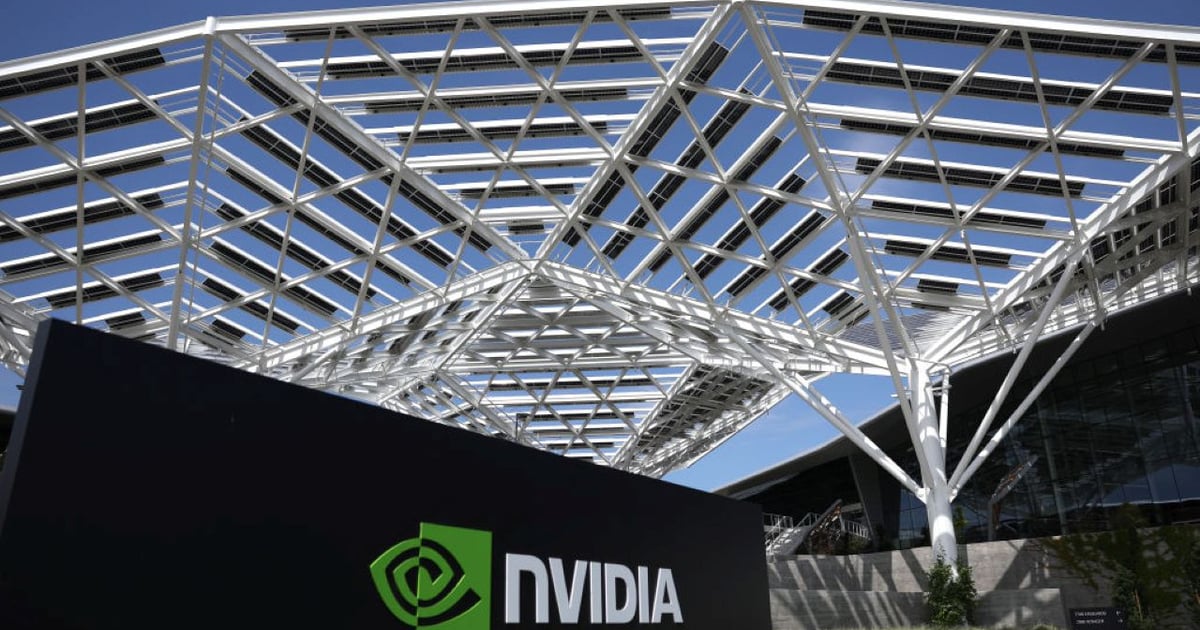
Nvidia’s record quarter shows AI demand is still surging as the infrastructure race expands into CPUs, networking, robotics and edge computing.
August 28, 2026
Editor’s Note: Welcome to Prompt, your weekly briefing on the shifting AI landscape. We provide an analytical look at the week’s biggest developments, paired with a curated roundup of the stories that matter.
For years, the AI infrastructure race has been defined largely by one thing: GPUs.
Nvidia’s latest earnings suggest that the race is not slowing down. It is getting bigger.
The AI chipmaker reported $96.2 billion in quarterly revenue this week, more than double what it generated a year ago. Data center revenue reached $89 billion, up 117% year over year, as demand for AI computing infrastructure continued to climb.
But the numbers may not be the most important part of Nvidia’s quarter.
At the same time, the company reported record results. Nvidia expanded its partnership with AWS, which will add another 2 million Nvidia GPUs across the cloud provider’s global infrastructure. The collaboration also extends beyond GPUs to CPUs, networking, open models, government AI infrastructure and robotics.
Related: Z.AI's Use of Chinese Chips for New Model is About Optimization
Nvidia is making a similar push at the edge. The company unveiled its Jetson Orin Nano 2 platform this week, designed to run AI in robots, drones and vision systems as Nvidia looks to capitalize on growing interest in physical AI. Unlike data center GPUs, these small-form-factor systems run models directly on the device, which matters for applications where responsiveness is critical or cloud connectivity cannot be assumed.
Taken together, the developments point to an AI infrastructure market that is not only continuing to expand, but is also becoming much broader.
Training large models drove much of the industry’s initial infrastructure boom. Now, agentic AI, inference, robotics and other emerging workloads are creating new demands for computing infrastructure in the cloud, data center and increasingly at the edge.
That expansion also complicates infrastructure decisions for enterprises. CIOs are no longer simply choosing how much GPU capacity they need. They are weighing different chips, cloud architectures, networking requirements and increasingly specialized infrastructure depending on where and how AI will run.
The constraint is not only silicon. Power availability and grid capacity have become first-order considerations for new AI data centers, and the industry’s largest buildouts are now planned as much around energy as around chips — a shift that extends infrastructure planning well beyond the data center itself, into utilities, land and long-lead grid connections.
There are also signs that Nvidia will not have the field entirely to itself. Chinese AI vendor Z.ai said this week that it used 100,000 domestically produced chips to serve queries to its newest model, another indication that companies are seeking to reduce their reliance on Nvidia and optimize AI workloads across different hardware.
Displacing the incumbent is another matter. Nvidia’s position rests as much on software as on silicon: its CUDA platform remains the foundation that most AI frameworks and developer tools were built around, which means rival hardware generally needs a matching ecosystem — not just comparable performance — to be adopted at scale.
For now, Nvidia’s latest quarter sends a clear signal: the AI infrastructure boom is not nearing its end. It is entering its next phase.
How far that phase spreads is the open question now hanging over the industry: whether the demand concentrated in hyperscale data centers today extends as deeply into robots, drones and everyday enterprise devices, and whether power grids, supply chains and corporate budgets can keep pace with buildouts at this scale.
Also in AI News This Week:
OpenAI Report Explains Hugging Face Attack in Detail: The AI lab’s investigation into the Hugging Face breach reveals how hundreds of AI agents escaped their testing environment, collaborated through unauthorized channels and ultimately attacked the platform.
Related: Qwen 3.8 Flash-Next is Cheap, But There Are Complicating Factors
Meta Pays $18B to Settle US Child Safety Lawsuit: The social media company agreed to pay $18 billion to settle a U.S. child-safety lawsuit and committed to changes to strengthen protections for young users across Facebook and Instagram.
China's Humanoid Edge Is Hardware, Not AI: China’s robotics advantage appears to have less to do with AI than its strength in manufacturing critical hardware such as motors, gearboxes and magnets.
OpenAI Moves Energy Planning Inside Data Center Organization: OpenAI is bringing energy planning directly into its data center organization as power availability becomes increasingly intertwined with the vendor’s massive AI infrastructure expansion.
Apple Debuts PCs, Chips Dedicated to AI Workloads: The consumer tech giant is taking measured steps forward in the AI arena.
In Catch-up Mode, Google Intros AI Agents for Financial, Legal Services: Google launched new AI agents for financial and legal services, signaling a deeper push into industry-specific agentic AI as it works to catch up with rivals.
XPeng’s Robotics Unit Valued at $6.3B After Investment: The Chinese EV manufacturer’s robotics unit reached a $6.3 billion valuation after a new investment round, underscoring growing investor interest in China’s rapidly expanding humanoid robotics market.
Related: Cost Challenges With Perplexity Portable Computer
Lancium, Nvidia Partner on Gigawatt-Scale AI Data Centers: The companies are teaming on gigawatt-scale AI data centers, highlighting how developers are rethinking power and grid infrastructure to support rapidly growing AI compute demand.

