Nvidia Faces Heightened US Scrutiny Over Chip Export Controls to China
Key Takeaways
- •Reports of Nvidia chip sales through intermediaries, including Singapore-based Megaspeed, have drawn scrutiny to whether U.S. export controls kept advanced processors out of China.
- •The Bureau of Industry and Security has imposed progressively stricter chip export restrictions on China since October 2022, repeatedly covering Nvidia's China-specific products such as the A800, H800, and H20.
- •An April 2025 U.S. licensing requirement for H20 shipments to China led Nvidia to expect an approximately $5.5 billion charge in its fiscal first quarter.
- •Singapore has stated it will investigate any false declarations about the ultimate destination of U.S.-made processors.
- •Current market pricing implies a significant probability that Nvidia's market capitalization will fall below $4.00 trillion by the end of 2026.
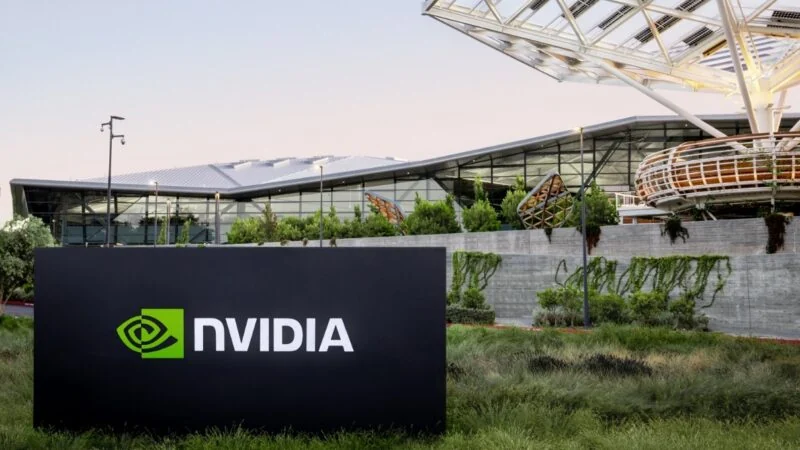
The dispute between Nvidia and the U.S. Bureau of Industry and Security (BIS) has placed the agency that administers American export controls under intensifying scrutiny. At the center of the controversy is a fundamental question: whether the BIS has effectively prevented advanced Nvidia processors from reaching China, following reports of sales to intermediaries, including Singapore-based Megaspeed. Because the BIS determines which advanced computing hardware — components central to artificial intelligence infrastructure — can lawfully reach China, its enforcement record carries weight well beyond a single company.
The heightened attention has sharpened the political and regulatory risks surrounding Nvidia's operations in China and raised broader questions about how U.S. semiconductor export controls are administered. The growing regulatory spotlight may also have implications for Nvidia's market positioning and growth expectations. Nvidia's history of designing China-specific chips underscores how much of its commercial strategy has been built around continued access to that market.
A Tightening Export-Control Regime
The BIS, a unit of the U.S. Department of Commerce, has enforced a series of progressively stricter restrictions on exports of advanced chips and chipmaking equipment to China since October 2022. Nvidia has repeatedly introduced China-specific products — including the A800, the H800 and, later, the H20 — to stay within the rules, only for successive generations of those chips to face fresh licensing requirements. In April 2025, Washington required licenses for H20 shipments to China, a step Nvidia said would lead to an expected charge of approximately $5.5 billion in its fiscal first quarter — an early illustration of how quickly policy shifts translate into financial impact. The scrutiny of intermediaries reflects how these controls are enforced in practice: authorities track whether chips declared for one destination ultimately reach another. Singapore, whose jurisdiction has featured in reports about chip intermediaries, has said it would investigate any false declarations about the ultimate destination of U.S.-made processors.
Market Pricing and Regulatory Risk
Market pricing appears consistent with concerns that tighter restrictions could affect Nvidia's future sales and operations. Current pricing indicates a significant probability that Nvidia's market capitalization will fall below $4.00 trillion by the end of 2026.
What to Watch
Developments in the U.S. Department of Commerce's approach to semiconductor export controls warrant close attention, as further restrictions could impact Nvidia's revenue streams. Official statements from Nvidia's leadership on strategies to mitigate the regulatory pressures are likewise worth monitoring, as are market reactions to any policy changes, which may provide further indication of sentiment regarding Nvidia's future performance.
Source: Nvidia faces increased scrutiny over US export controls to China — CryptoBriefing

