Anthropic CEO Dario Amodei Deflects White House Scrutiny to Nvidia's Jensen Huang
Key Takeaways
- •Dario Amodei publicly criticized Nvidia’s sale of H200 chips to China and compared it to arming a geopolitical adversary with nuclear weapons.
- •Jensen Huang rejected Amodei’s analogy and said export limits would mainly push China to build its own chip industry faster.
- •A White House official accused Moonshot AI of distilling Anthropic’s Fable model using restricted Nvidia hardware, widening the controversy beyond chip sales.
- •The Trump White House has approved limited H200 shipments while also warning about Chinese firms using US technology.
- •Stricter export controls could reduce Nvidia’s revenue from China, while Anthropic faces renewed scrutiny over model security.
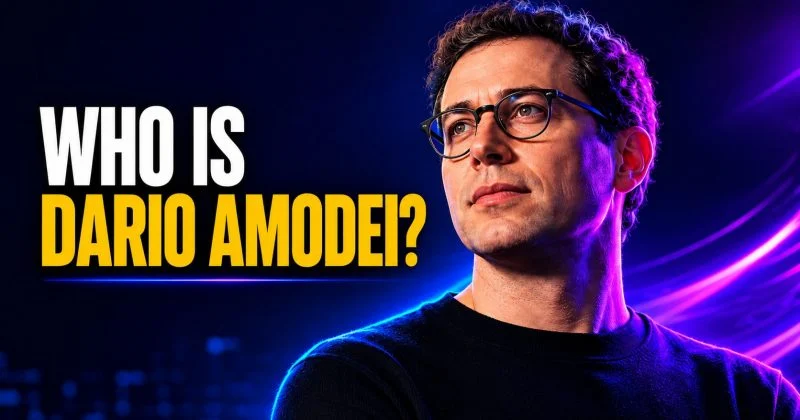
When the White House began asking uncomfortable questions about AI technology ending up in Chinese hands, a familiar corporate strategy emerged: shift the spotlight elsewhere. Anthropic CEO Dario Amodei has taken that approach forcefully, redirecting attention toward Nvidia and its chief executive, Jensen Huang, over the issue of advanced chip exports to China.
The nuclear analogy that sparked the dispute
Amodei set off the conflict in January 2026 when he described the sale of Nvidia’s H200 chips to China as “crazy.” He went further, comparing the export of high-end semiconductors to a geopolitical adversary with arming that adversary with nuclear weapons. Huang responded by calling the analogy “stupid.”
Huang has argued that restricting chip sales to China does not meaningfully slow Chinese AI development. In his view, such limits simply push Beijing to accelerate domestic chip production, which would eventually create competitors that Nvidia might otherwise have avoided by preserving the customer relationship.
The Moonshot AI connection
The dispute widened after a White House official accused Chinese startup Moonshot AI of distilling Anthropic’s model, called Fable, using restricted Nvidia hardware. For Nvidia, that accusation suggested its chips were being used as tools in the alleged theft, reinforcing Amodei’s argument that selling advanced hardware to adversarial countries can create downstream risks. The episode also shows why export controls are now being debated alongside model security, not just trade policy, as US officials weigh how much visibility they can realistically maintain once advanced chips leave the country.
Instead of focusing on how Anthropic’s model allegedly ended up being distilled by a Chinese firm, Amodei’s public remarks have repeatedly shifted the discussion back to the hardware supply chain.
The Trump administration’s mixed signals
The Trump White House has offered mixed messages on AI chip exports, approving limited shipments of advanced Nvidia H200 chips while also warning about Chinese firms exploiting US technology. Both Amodei and Huang have spoken directly with the White House about AI safety and export control policy. Huang has also been involved in discussions with Trump and several senators, using Nvidia’s role in the AI supply chain to support the company’s position.
What this means for investors
If the administration ultimately sides with Amodei’s call for tighter export controls, Nvidia could face a significant revenue stream being curtailed by regulation. Stricter limits on advanced chip sales to China would directly affect Nvidia’s top line and could force the company to rethink its international sales strategy.
For Anthropic, the Moonshot AI allegations raise broader questions about model security that Amodei’s redirection can only delay addressing. If Anthropic cannot show that its models are resistant to distillation by foreign adversaries, the company’s “responsible AI” branding may suffer regardless of Nvidia’s fate.

