Bitcoin ETF Paradox: Nvidia Stock Carries a CEO Premium That Bitcoin Never Needed
Key Takeaways
- •Nvidia shares plunged more than 8% in after-hours trading on November 12 after its board weighed CEO Jensen Huang's future, a move that threatened to erase around $600 billion in market value.
- •Huang functions as Nvidia's chief strategist and public evangelist for the AI boom, with more than 60 executives reporting directly to him and analysts identifying no obvious successor.
- •Apple's history shows succession planning matters: shares fell 5.9% after-hours when Steve Jobs resigned in 2011 but climbed 1,946% during Tim Cook's tenure as CEO.
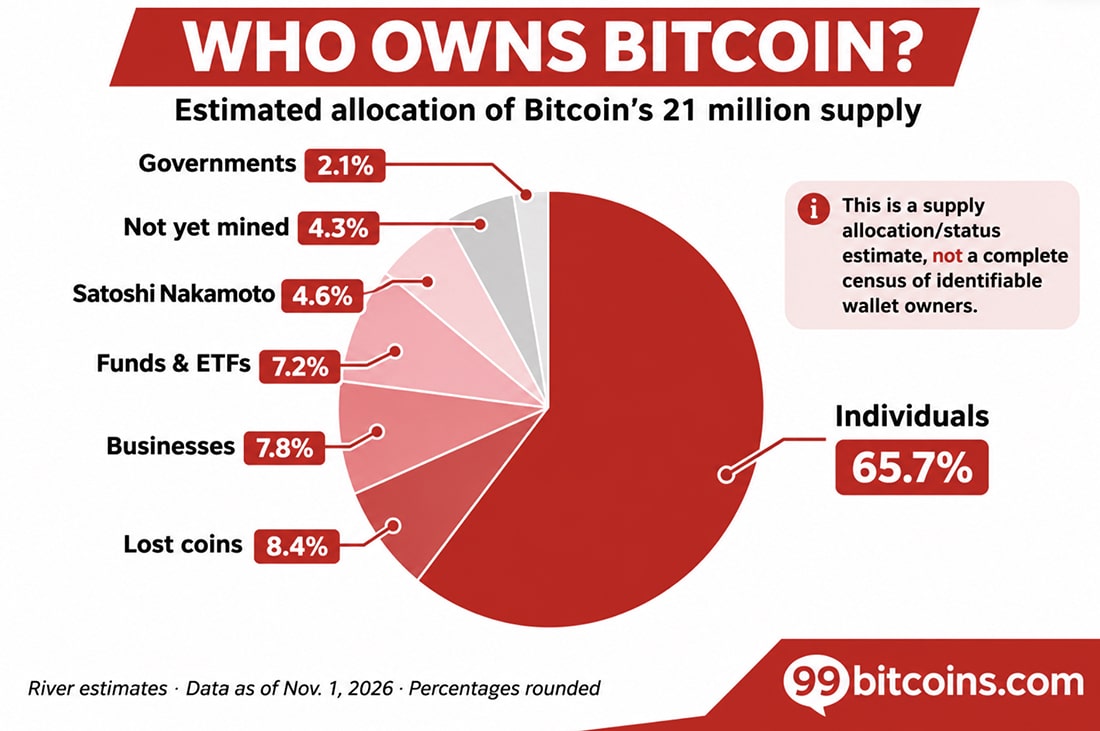
- •US spot Bitcoin ETFs have attracted $55.4 billion in cumulative net inflows since launching in January 2024 and held about 1.31 million BTC on November 11, equal to 6.5% of Bitcoin's circulating supply.
- •Bitcoin operates without a CEO or personality-dependent rules, yet Wall Street's ETF products, including BlackRock's IBIT with roughly 793,069 BTC worth nearly $59.5 billion, now shape a major part of the market's demand narrative.
Nvidia investors have Jensen Huang. Bitcoin investors have no one — and that may be the biggest difference between the two assets. Yet Wall Street has poured billions into Bitcoin ETF products that were originally designed to operate without a corporate leader, while NVDA stock carries a CEO premium built around Huang's influence over AI.
Nvidia shares plunged more than 8% in after-hours trading on November 12, after its board considered Huang's future. The move threatened to erase around $600 billion in market value. Chip demand had not suddenly disappeared — investor confidence in Nvidia's leader had become the driver.
NVDA Stock and Its CEO Premium
Huang is more than Nvidia's chief executive. He is its chief strategist and the public evangelist for the AI boom. Reuters reported that more than 60 executives report directly to him, while analysts see no obvious successor who could replace his influence seamlessly.
Our message to Nvidia's board: Do not fire Jensen Huang. There is no clear replacement for Jensen Huang. We are confident that his departure would ultimately be a net negative for Nvidia, its shareholders, and the AI Revolution. First, take a look at the data. History also…
— The Kobeissi Letter (@KobeissiLetter) November 12, 2026
That concentration creates upside when investors trust the leader. Huang can turn a keynote or a forecast into a market-moving event. It also creates vulnerability: investors struggle to separate the person from the company. In equity analysis, this setup is known as key-man risk, and succession planning is treated as a standing responsibility of public-company boards.
NVDA stock still symbolizes ownership of the chips central to AI infrastructure. Yet reports of a possible leadership change were enough to shake the stock and its partners. This is the CEO premium phenomenon — the confidence investors attach to a single individual. Until Nvidia's board or the company addresses the reports directly, the observable signals are official statements, board decisions, and Huang's own public appearances.
Apple offers a historical comparison. When Steve Jobs resigned as CEO on August 24, 2011, Apple shares fell 5.9% in after-hours trading. Tim Cook took over, and the company continued to grow; Apple shares have since climbed 1,946% during Cook's tenure. The difference is that Apple had succession planning and an operating business. Bitcoin was built around a different proposition.
Bitcoin ETF Paradox: Wall Street Buys the Asset Without Owning Its Rules
Satoshi Nakamoto disappeared from public view years ago, and Bitcoin kept running. There is no CEO to reassure holders, no board to appoint a successor, and no quarterly call where a founder promises a better product cycle. Its issuance schedule and consensus rules do not depend on a personality.
Bitcoin is not immune to sentiment. Its price still responds to adoption, regulation, security, liquidity, and demand. But its sentiment is less dependent on a single executive — nobody has to decide whether Satoshi is still the right person for the job.
The Bitcoin ETF market shows how much Wall Street has changed the ownership story. US spot Bitcoin ETFs have attracted $55.4 billion in cumulative net inflows since launching in January 2024 following regulatory approval. The funds held about 1.31 million BTC on November 11, equal to 6.5% of Bitcoin's 20.11 million current circulating supply.
BlackRock's IBIT alone held about 793,069 BTC on November 9, worth nearly $59.5 billion. It offers traditional portfolios Bitcoin exposure without wallet or private-key management, trading on US exchanges during regular market hours through ordinary brokerage accounts.
This is the Bitcoin ETF Paradox: Wall Street does not control Bitcoin's protocol, but its products now shape a huge part of the market's demand narrative. Spot ETFs hold bitcoin directly, so net inflows and outflows translate into actual purchases and sales of coins, with holdings disclosed daily. Inflows can strengthen buying pressure, and redemptions can reverse it. Investors increasingly watch BlackRock and Fidelity flows for clues about institutional appetite.
A world without ETFs would look different. The $55.4 billion in net inflows would not have entered through these products; some investors might have bought Bitcoin directly, used futures, or stayed away entirely. The funds' 1.31 million BTC would have had different owners, and the market would have lost a major regulated route for institutional access.
Subtracting $55.4 billion from Bitcoin's market value would not reveal its ETF-free price. Market capitalization is set by marginal trades, not by adding every dollar invested. The real counterfactual concerns demand, access, and who is willing to buy when prices fall.
That is where Bitcoin's advantage and its new weakness meet. Nvidia's CEO premium can become a liability when confidence in Jensen Huang cracks. Bitcoin has no founder to lose.
Bitcoin never needed Satoshi to keep the network alive. Wall Street, however, has taught a new generation of buyers to watch its flows. The protocol remains decentralized. The investment narrative is increasingly institutional.

