Silicon Valley Rallies Behind Nvidia CEO Jensen Huang After Infidelity Admission and $470 Billion Selloff
Key Takeaways
- •Jensen Huang publicly admitted infidelity on November 8, 2026, and sent a company-wide letter expressing remorse and pledging cooperation with the investigation.
- •Nvidia's board launched an independent probe led by Wachtell, Lipton, Rosen & Katz to determine whether Huang was targeted by foreign intelligence and to assess any impact on operations.
- •Nvidia shares dropped more than 10% over two days, erasing more than $470 billion in market value, and Huang's own stake lost more than $17 billion.
- •US intelligence has classified the Singapore-based executive linked to Megaspeed International as a possible Chinese intelligence asset, and Megaspeed has purchased more than $4.8 billion of Nvidia chips since mid-2024.
- •Donald Trump called Huang an honorable man who should keep his job as CEO, despite reportedly being briefed on the concerns a year before the public admission without taking action.
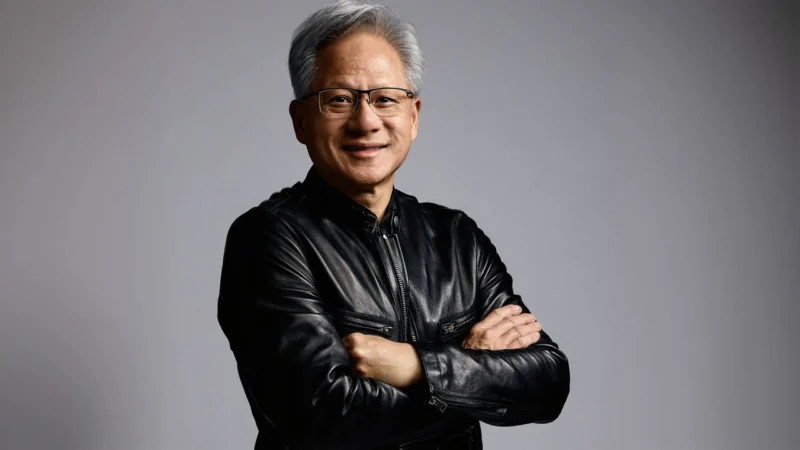
Jensen Huang has spent years as one of the most bulletproof figures in technology. On Sunday, the Nvidia co-founder and chief executive publicly admitted that he had been unfaithful to his wife. Within hours, some of Silicon Valley's most influential investors had lined up behind him, mostly on social media. Wall Street's reaction was less unified: Nvidia shares fell sharply, wiping out more than $470 billion in market value and prompting the company's board to open an independent investigation.
A Personal Admission With Corporate Consequences
Huang made the admission in a public statement on November 8, 2026. On the same day, he sent a company-wide letter expressing remorse and committing to cooperate with an investigation into the matter.
The affair reportedly involved a Singapore-based executive linked to Megaspeed International. That connection turned a private scandal into a national security question. According to the research findings, US intelligence has classified the executive as a possible Chinese intelligence asset who could gain access to sensitive AI chip technology. The word "possible" matters: no determination has been described as final, and the allegation remains just that.
Nvidia's board responded by launching an independent investigation. Its stated goals are to determine whether Huang was targeted by foreign intelligence and to assess any potential impact on the company's operations. The board brought in outside counsel from Wachtell, Lipton, Rosen & Katz, a firm long associated with high-stakes corporate crisis work, to lead the probe.
The Market's Verdict
Nvidia shares dropped more than 10% over two days, erasing more than $470 billion in market value. Huang felt the damage personally as well: his stake in Nvidia lost more than $17 billion after the stock plunge. The dollar figures reflect Nvidia's scale as one of the most valuable listed companies in the world, where even a drop measured in the low double digits translates into hundreds of billions in erased value.
Why Megaspeed Is the Real Story
The Megaspeed link is what elevates the episode beyond a tabloid item. Megaspeed International has purchased more than $4.8 billion worth of Nvidia chips since mid-2024, and there have been previous US investigations into the possible diversion of advanced AI technology to China. Diversion, in this context, refers to advanced chips reaching end users other than the buyer of record, the pattern those earlier probes were designed to detect. Nvidia's most powerful chips sit at the center of Washington's effort to slow Beijing's AI progress, which makes any customer with alleged ties to Chinese intelligence a liability rather than just a line item.
The Silicon Valley Defense
Political support arrived as well. Donald Trump called Huang an "honorable guy" and said he should keep his job as chief executive. According to the report, Trump was briefed on concerns about the affair a year before Huang's public admission but took no action at the time.
The wave of endorsements reflected the standing Huang has built over years at the top of the technology industry.
The Personal Backdrop
Huang and his wife, Lori Huang, have been married for more than 40 years. The couple met at Oregon State University. Huang co-founded Nvidia in 1993 and has led the company for more than three decades, a tenure that helps explain why questions about his leadership carry such weight for the company's future.
What It Means for Nvidia and Its Stakeholders
The immediate question for shareholders is leadership continuity. Strong public backing from investors and political figures suggests Huang's position is secure for now, but the board's investigation is the real decision point.
If the Wachtell review finds that Huang was not compromised and that no sensitive information left the company, the episode may fade into a costly but survivable embarrassment. If it finds otherwise, the conversation shifts from personal judgment to corporate governance and potential regulatory exposure.
The China dimension is the larger risk. Nvidia's business with Chinese buyers has already been under a political microscope, and the Megaspeed connection gives regulators a fresh reason to look harder at who is buying the company's chips and where they end up.
Source: CryptoBriefing

