Nvidia Board Rules Out Jensen Huang Comeback, Launches Search for New CEO
Key Takeaways
- •Nvidia's board stated during Tuesday's earnings call that it will not reinstate Jensen Huang as CEO and has hired executive search firm Heidrick & Struggles to find a permanent replacement.
- •Colette Kress, Nvidia's chief financial officer, remains interim chief executive and received the board's full confidence.
- •Huang resigned last week after revelations of extramarital relationships, including one involving a businesswoman whose alleged Chinese intelligence connections have drawn U.S. scrutiny, and an independent investigation is examining his conduct.
- •President Donald Trump and Elon Musk were among the prominent figures who publicly supported Huang's reinstatement.
- •Nvidia reported $115.8 billion in quarterly revenue, up 103% year over year, with $107.6 billion from data center sales, and forecast $130 billion for the fourth quarter while assuming no data center computing revenue from China.
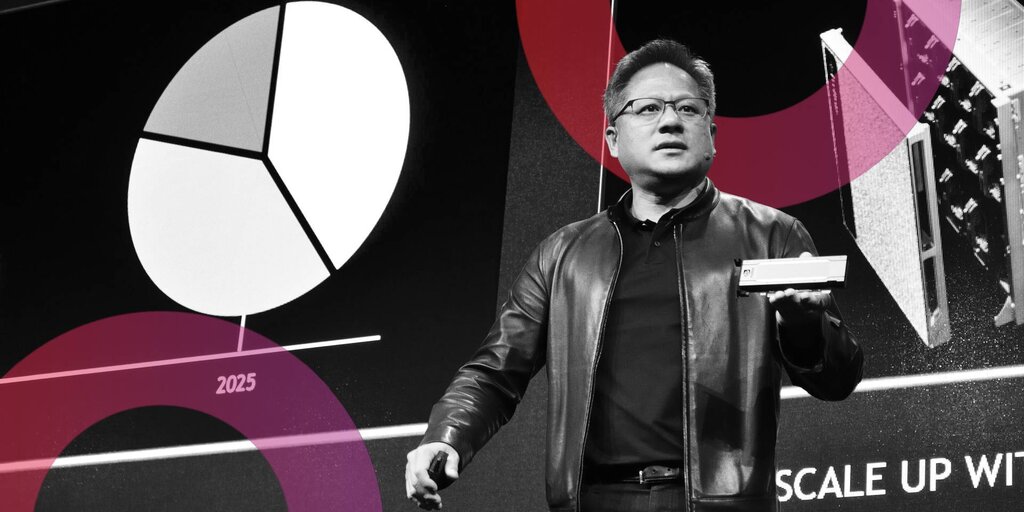
Nvidia's board has publicly shut the door on any comeback by co-founder Jensen Huang, declaring during Tuesday's earnings call that it does not intend to reinstate him as chief executive and has instead launched a search for a permanent replacement.
"The Nvidia board does not intend to reinstate Jensen as CEO," board chair Harvey Jones said on the call, delivering the company's strongest statement yet against reinstating the co-founder a week after his resignation.
Board declines to elaborate
Jones said the board unanimously accepted Huang's resignation and would not answer questions about the circumstances surrounding his departure or the ongoing independent investigation. The company has hired executive recruitment firm Heidrick & Struggles to lead the search for a permanent CEO, while Colette Kress remains interim chief.
Chief Financial Officer Kress, who took over as interim CEO, received the board's full backing. "We have every confidence in Colette's leadership, integrity and ability to deliver as interim CEO," Jones said. From here, the key developments to watch are the appointment of a permanent chief executive and the findings of the independent investigation, which the board has declined to discuss.
The declaration came just hours after Huang publicly offered to return, saying he would do so if directors believed his reinstatement would benefit shareholders and employees. Earlier on Tuesday, before Huang's public statement, sources told CNBC the board was not considering bringing him back.
Huang, who co-founded Nvidia in 1993, resigned last week after revelations about extramarital relationships, including one involving a businesswoman whose alleged Chinese intelligence connections have attracted scrutiny from U.S. authorities. An independent investigation is examining his conduct and potential national security implications.
His departure triggered an unusual public campaign for reinstatement, with President Donald Trump and Elon Musk among those publicly supporting his return.
China scrutiny intensifies
Jones also defended Nvidia's newly established National Security and Export Control Oversight Committee, saying it would improve the company's engagement with U.S. officials as Washington investigates how restricted AI chips have reached China. The committee, chaired by director Suzanne Nora Johnson, will oversee compliance programs and receive reports directly from Nvidia's national security and trade compliance teams.
Nvidia reported $2.5 billion in quarterly revenue from sales to Chinese business units under the Trump administration's limited export permissions, a figure that works out to roughly 2% of the company's total quarterly revenue. Those arrangements face renewed uncertainty following reports that billions of dollars in restricted Nvidia hardware reached mainland China through overseas intermediaries.
The leadership standoff overshadowed otherwise impressive quarterly results. Nvidia reported $115.8 billion in revenue, up 103% year over year, with data center sales reaching $107.6 billion, roughly 93% of the total and the core of the demand behind the company's growth. The company forecast $130 billion in revenue for its fourth fiscal quarter while assuming no data center computing revenue from China.

