Nvidia Board Backs Jensen Huang as Independent Review of Foreign Intelligence Claims Begins
Key Takeaways
- •Nvidia's board expressed continued confidence in CEO Jensen Huang on November 8, 2026, while commissioning an independent investigation into allegations that he was targeted by foreign intelligence.
- •The inquiry will be overseen by a committee of independent directors with support from outside legal counsel to keep the review separate from company management.
- •The investigation follows late-October reports claiming a close associate of Huang was suspected of being a Chinese intelligence asset, allegations Nvidia maintains were previously debunked.
- •Huang has led Nvidia since founding it in 1993, during which fiscal revenue grew from roughly $27 billion in 2022 to $216 billion in the most recent fiscal year, with market capitalization peaking above $4 trillion in 2026.
- •As the leading provider of AI accelerators central to US-China technology rivalry, Nvidia faces heightened scrutiny over leadership stability, making the board's promised updates a key focus for investors and policymakers.
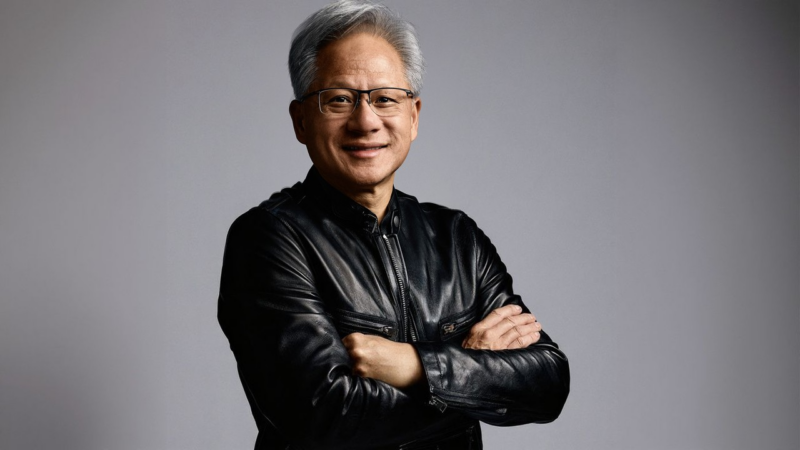
Nvidia's board of directors has publicly thrown its support behind CEO Jensen Huang and his leadership team, while simultaneously launching an independent investigation into allegations that Huang was targeted by foreign intelligence. The announcement came on November 8, 2026, alongside a promise to provide updates as needed.
What the board said
A committee of independent directors will oversee the inquiry, supported by outside legal counsel — a structure commonly used to keep sensitive reviews independent of company management. The review is intended to weigh the claims against US national and economic security priorities.
The board was careful to temper expectations, stating that it has “no reason to believe that either national security or Nvidia secrets were compromised.” Even so, the directors committed to a comprehensive examination of the available information.
Huang, for his part, fully supports the investigation and has committed to cooperating with the review process, according to the research findings. The board highlighted that cooperation as part of its case for continued confidence in his leadership.
How the situation unfolded
The board's move follows reports from late October claiming that a close associate of Huang was suspected of being a Chinese intelligence asset.
Nvidia has pushed back hard. The company has maintained that the CEO's interactions with clients were routine, and has said that previously investigated allegations had been debunked.
The stakes are high because of who Huang is. He has led Nvidia since founding it in 1993, steering the company through several major technological and market shifts, and he is widely regarded as a pivotal figure in the AI industry. A tenure spanning more than three decades makes him one of the longest-serving chief executives in the technology sector.
Nvidia's growth under his watch has been remarkable. Fiscal revenue climbed from approximately $27 billion in 2022 to $216 billion in the previous fiscal year, while market capitalization peaked at over $4 trillion at points in 2026.
Why the US-China angle raises the temperature
Nvidia is the leading provider of AI accelerators — the specialized chips that train and run modern AI models — placing those chips at the center of the ongoing technology rivalry between the US and China.
That context explains why the board leaned so heavily on national and economic security language. Any suggestion that foreign intelligence was interested in the head of the company that makes the most important AI hardware will draw scrutiny.
It also explains the careful sequencing of the board's message: lead with confidence in leadership, follow with an independent process, and close with a promise of updates.
What it means for investors and the AI sector
For shareholders, the central question is leadership stability. Huang is not a replaceable executive in the eyes of most market participants — he is the architect of Nvidia's current position. Founder-led companies often build enormous value around a single personality, and that concentration becomes a vulnerability the moment questions arise about the person. Nvidia's board appears to be trying to address that risk head-on rather than letting speculation fill the vacuum.
What to watch next is fairly straightforward. The first item is whether the board follows through on its promise of updates, and how much detail those updates contain. The second is whether any findings emerge that go beyond Nvidia's assertion that earlier allegations were debunked. The third is how policymakers in Washington respond, given the board's explicit framing around national security.
This article was by Diego Almada Lopez. Source: CryptoBriefing

