Norway Seizes Russian Vessel in Svalbard to Enforce Naftogaz's $4.22 Billion Arbitration Award
Key Takeaways
- •Norway seized the Russian cruise vessel Professor Molchanov in Barentsburg, Svalbard, after a Nord-Troms district court order issued on August 31.
- •The seizure was requested by Naftogaz as part of efforts to enforce a $4.22 billion arbitration award a Hague tribunal issued in 2023 against Russia for seizing Ukrainian energy assets in Crimea.
- •Putin called the seizure of civilian vessels "acts of state terrorism" and said such incidents complicate prospects for future peace talks.
- •Russia's ambassador to Norway, Nikolai Korchunov, said the seizure is politically motivated and that the court decision will be appealed.
- •The vessel's ultimate fate and its potential use toward the arbitration award depend on further proceedings in Norwegian courts.
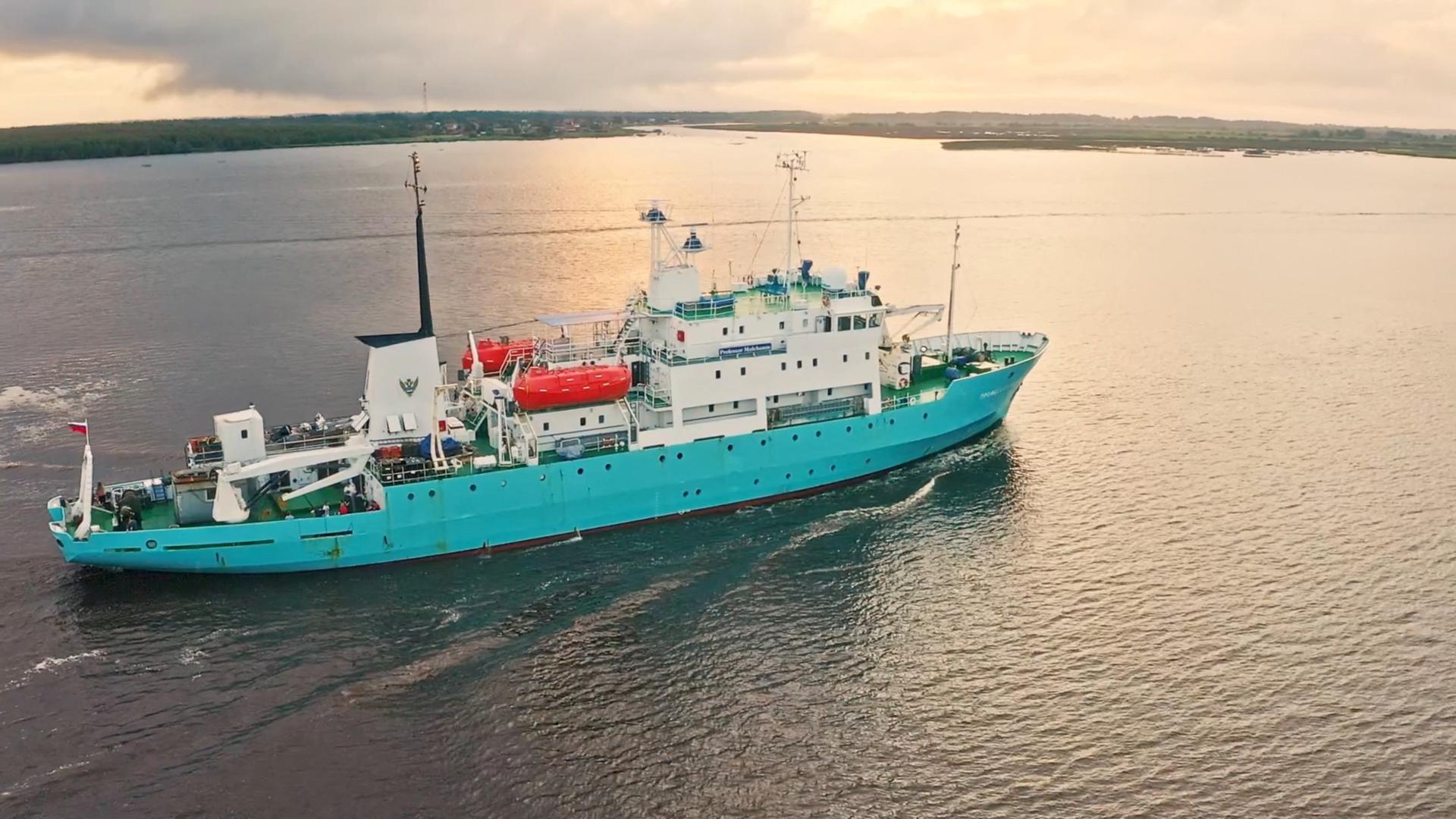
Norwegian authorities seized a Russian vessel in the Arctic archipelago of Svalbard on Wednesday at the request of Ukraine's state-owned energy company Naftogaz, as part of a global effort to enforce a $4.22 billion arbitration award against Russia.
The seized ship, the Professor Molchanov, is a Russian vessel used for commercial expedition cruises, including to Svalbard. According to officials, the vessel was seized in the Arctic; an archive video shot in July 2022 shows the ship afloat in Arkhangelsk, Russia (Reuters-Yonhap).
Naftogaz is seeking to recover the multibillion-dollar award stemming from Russia's 2014 illegal annexation of Crimea and its seizure of Ukrainian energy assets, including gas fields and pipelines. In 2023, an arbitration tribunal in The Hague ordered Russia to pay $4.22 billion to the Ukrainian state-owned energy company for unlawfully seizing its assets in Crimea. After Russia refused to pay the award, Naftogaz has been petitioning national courts around the world, seeking court orders to seize Russian commercial assets. Enforcing arbitration awards against a state that refuses to pay requires winning separate legal battles in each jurisdiction where Russian assets are found, which is why the campaign has played out across multiple countries' courts rather than in a single proceeding.
"This is another important step towards restoring justice for Russia's unlawful seizure of Naftogaz assets in Crimea. Russia cannot evade responsibility simply by refusing to comply with an international arbitral award. We will continue to pursue Russian assets around the world," said Naftogaz CEO Sergii Fedorenko.
The seizure followed a Nord-Troms district court order issued on August 31, Svalbard Governor Lars Fause said in a statement. Following the seizure, the vessel is not allowed to leave its current location in Barentsburg on Svalbard, the governor said. Barentsburg is a Russian-operated coal-mining settlement on the archipelago, one of the few places outside Russia where Russian state-linked entities maintain ongoing commercial operations. Although Svalbard is under Norwegian sovereignty, the 1920 Svalbard Treaty grants citizens and companies of signatory states, including Russia, equal rights to conduct commercial activities there — a status that has long made the archipelago a sensitive point in Norway-Russia relations.
Russian President Vladimir Putin responded sharply to the action. Asked on Thursday about Norway's move, Putin said the seizure of civilian vessels and strikes on merchant shipping were "acts of state terrorism." He also condemned recent warnings by Ukrainian President Volodymyr Zelenskyy to foreign airlines that flying in Russia would no longer be safe because of Ukrainian long-range drone attacks.
Speaking at the Eastern Economic Forum in Vladivostok, Russia, Putin linked the vessel seizure and Zelenskyy's warning, saying such incidents "complicated" the prospects for future peace talks. He added that Ukraine's allies were "complicit in international terrorism" by remaining silent on these issues.
Russia's ambassador to Norway, Nikolai Korchunov, told Russian state news agency Tass that the seizure of the vessel was a "politically motivated violation of international law." He said the court decision to seize the vessel would be appealed, and that the embassy was in contact with the ship's crew and passengers, Tass reported. The announced appeal means the vessel's fate, and the question of whether it can ultimately be used to satisfy any part of the arbitration award, will depend on further proceedings in Norwegian courts.

