North Carolina HOAs Face Limits on Banning Political Signs Ahead of Election Day
Key Takeaways
- •Under North Carolina law, a political sign is any sign that attempts to influence the outcome of an election, including supporting or opposing a ballot issue.
- •HOAs may restrict political signs, but rules registered before October 1, 2005 must specifically mention political signs, and later-registered rules must include a bold, capitalized notice on the first page to be enforceable.
- •Municipal rules add a separate layer of limits: Charlotte prohibits signs within 11 feet of pavement edges, in medians, in traffic islands, and on sidewalks, while Raleigh's rules vary by property zoning.
- •State statute protects the right to fly the United States or North Carolina flag in planned communities and condominiums unless the declaration of covenants contains certain key phrases.
- •Violating HOA sign rules can result in fines or other penalties, but such rules must be applied fairly and cannot favor any individual homeowner, making a review of the CC&Rs the key step before displaying a sign.
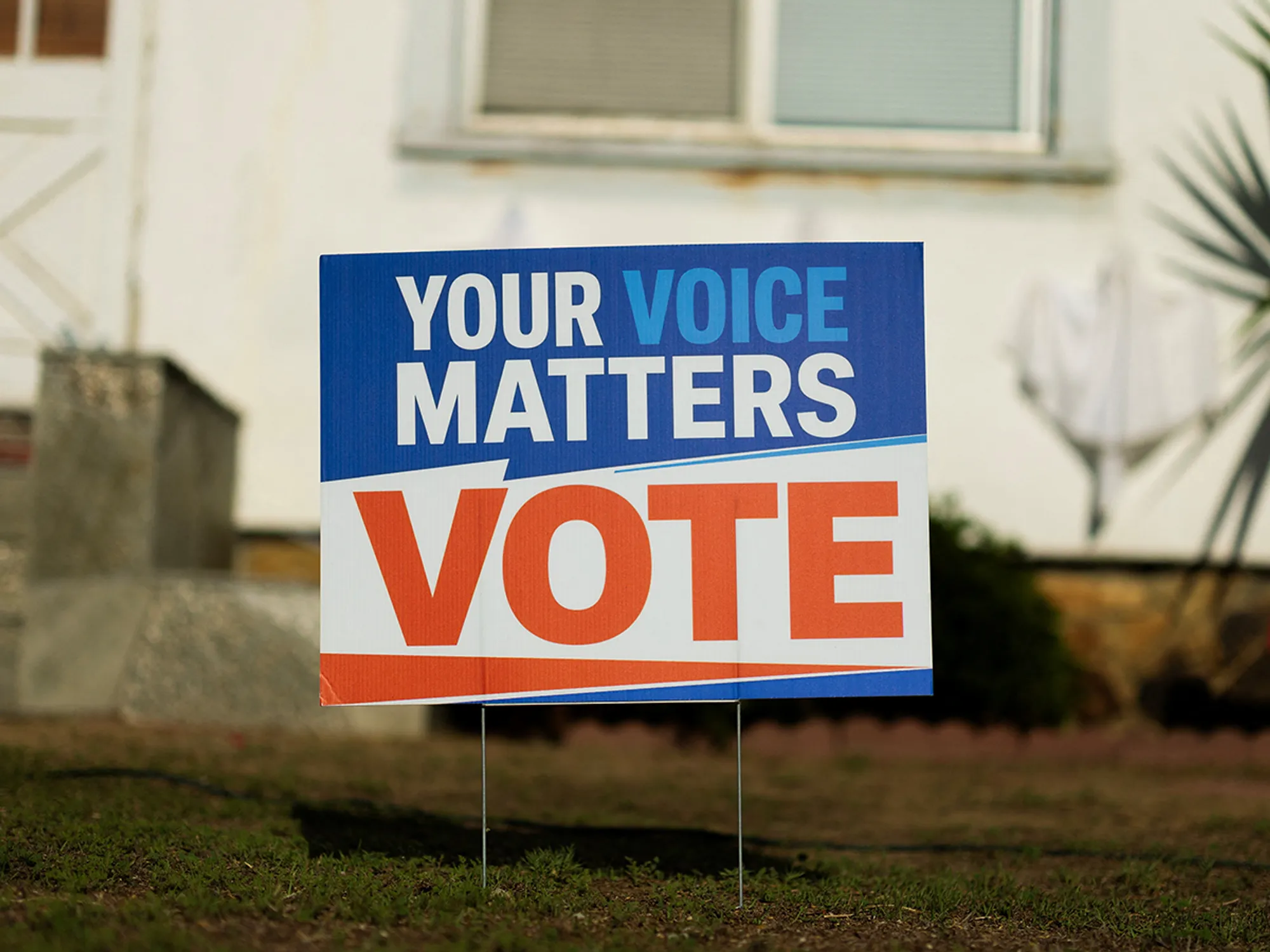
With election day approaching, homeowners across the country are placing signs on their lawns and properties to endorse their chosen candidates. Whether such displays are legal, however, depends on where a homeowner lives, according to The News Observer.
In North Carolina, homeowner associations (HOAs) operate under distinct rules governing whether political signs may be displayed or banned. The starting point is understanding what legally constitutes a political sign. Under state law, a political sign is defined as “a sign that attempts to influence the outcome of an election, including supporting or opposing an issue on the election ballot.” Because HOA communities are governed by covenants that are legally binding, a homeowner’s ability to display campaign material can hinge as much on the neighborhood’s recorded documents as on state statute.
Per the law firm Ward and Smith, HOAs can restrict political signs under state law, though not all flags or banners carrying political messages qualify as political signs, especially outside of election season.
Political signs in North Carolina can be banned, but there are limits. Ward and Smith note that HOAs with rules registered before Oct. 1, 2005 must specifically mention “political signs” in order to restrict them. Rules registered after that date must include a bold, capitalized notice on the first page stating that the rules regulate or prohibit political signs. An HOA’s rules must also clearly explain any restrictions; if the rules do not mention political signs, the association can create rules to regulate them. Those registration and formatting details determine whether a restriction is enforceable, which is why the wording and recording date of a community’s governing documents carry real weight for homeowners.
Restrictions also vary city. In Charlotte, signs cannot be placed within 11 feet of the edge of the pavement, in medians, in traffic islands, on sidewalks, or in specific locations. In Raleigh, the rules depend on the zoning of the property. Municipal rules like these govern placement along public streets and sidewalks — a separate layer from the private covenants that apply to property inside HOA communities.
Broader rules apply across the state. Law Firm Carolinas, which has four offices throughout North Carolina, notes: “In North Carolina, the right to fly a United States or state of North Carolina flag in a planned community or condominium is protected by statute unless the declaration of covenants contains certain key phrases.”
Most states leave it up to HOAs to determine the rules. Cedar Management Group, which provides HOA management services in North Carolina, South Carolina, and eastern Tennessee, reports that HOAs use such rules as a blueprint to maintain a community’s overall appearance and character. For residents of association-governed communities, that delegation means election-season sign rules can vary from one neighborhood to the next, layered on top of whatever state-law limits apply.
Homeowners should check their HOA’s Covenants, Conditions, and Restrictions (CC&Rs), a legally binding document, for rules on political yard signs. Violating these rules could lead to fines or other penalties. The rules, however, must be applied fairly across the board and may not show favor or bias toward any one homeowner. With election day close at hand, the practical step is to review the CC&Rs — and whether the association’s recorded rules meet the state-law requirements — before a sign goes in the yard.

