NongHyup Ships First Raw Laver Export to Japan, Targeting Premium Seaweed Market
Key Takeaways
- •NongHyup Economic Holdings completed its first export of raw, unprocessed laver to Japan, moving beyond traditional seasoned and processed seaweed products.
- •The initial 0.7-ton shipment from the Gwangcheon Nonghyup cooperative will supply Sushi Zanmai, one of Japan's major sushi restaurant chains.
- •The Gwangcheon cooperative's raw laver earned recognition in Japan's quality-focused market for its soft texture, consistent quality, and glossy black color.
- •NongHyup plans to expand raw laver exports to as much as 20 tons by the end of the year as it targets Japan's premium food ingredient market.
- •The export effort involved approximately a year of work by NongHyup Economic Holdings and NH Trading, including participation in Foodex Japan to identify buyers and manage negotiations.
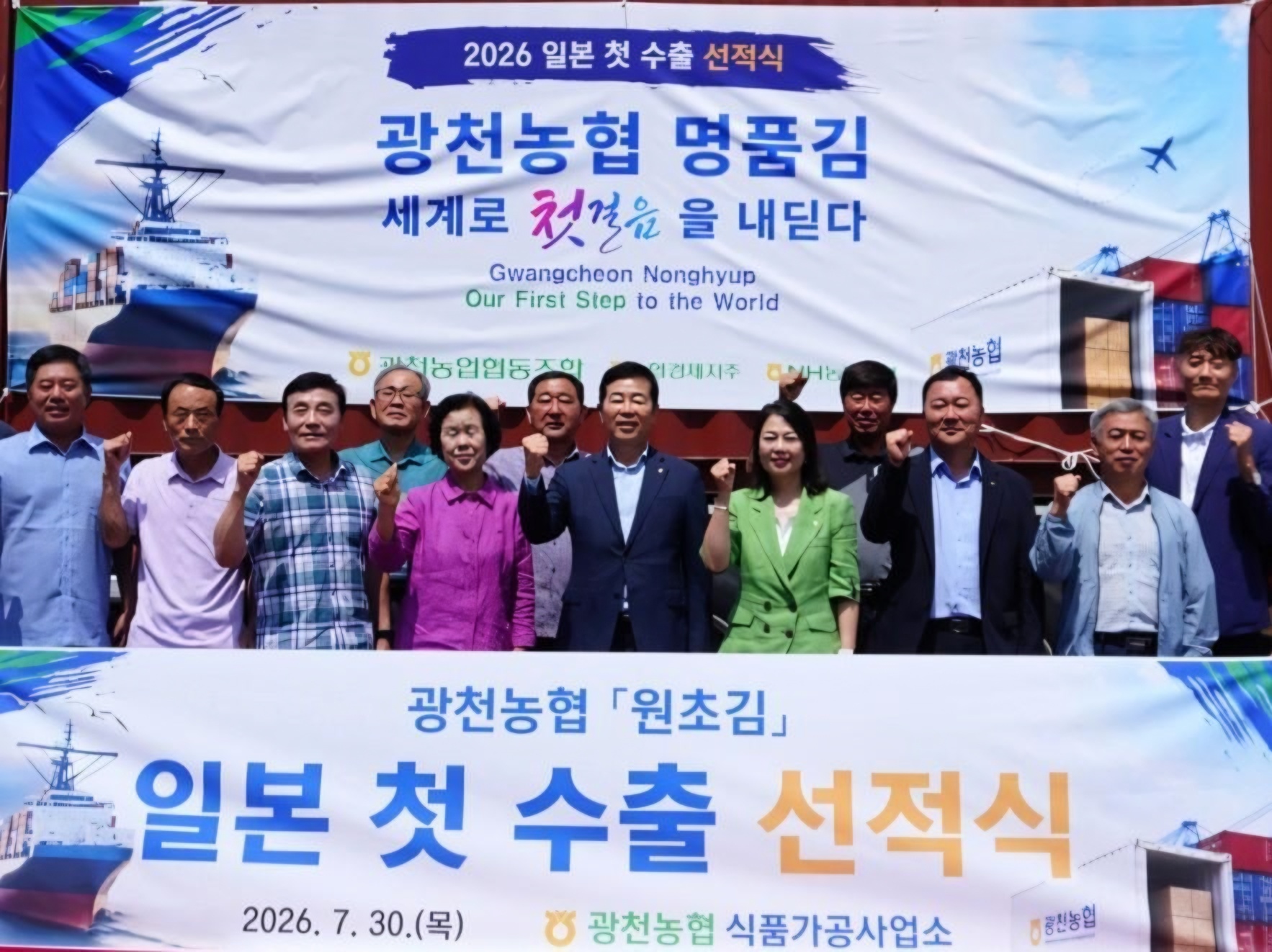
NongHyup Economic Holdings has completed its first export of raw, unprocessed laver to Japan, moving beyond the seasoned and processed seaweed products that have traditionally dominated Korean laver exports to the country.
A shipping ceremony was held Thursday at the Gwangcheon Nonghyup cooperative in Hongseong County, South Chungcheong Province — a region recognized for its laver production. The event marked the export of "woncho gim," or raw laver, which is seaweed harvested from the sea before being processed into sheets or seasoned products.
According to NongHyup, the Gwangcheon cooperative's raw laver earned recognition in Japan's quality-focused market for its soft texture, consistent quality, and glossy black color.
The export follows approximately a year of efforts by NongHyup Economic Holdings and its trading arm, NH Trading. Both entities have participated in the Foodex Japan food exposition since last year to identify buyers and manage negotiations, contracts, and logistics.
The initial shipment totaled 0.7 tons and will supply Sushi Zanmai, one of Japan's major sushi restaurant chains. NongHyup stated that it intends to expand exports to as much as 20 tons by the end of the year as it pushes further into Japan's premium food ingredient market. South Korea is one of the world's largest laver producers, and the move into raw, unprocessed exports represents an effort to position Korean seaweed higher in the Japanese ingredient supply chain — closer to end-use food service buyers — rather than competing primarily on packaged retail products.
A NongHyup official overseeing food export support described the shipment as "a meaningful achievement that shows the quality and competitiveness of our raw laver has been recognized in the Japanese market." The official added that the organization will continue supporting export logistics and expanding overseas sales channels to strengthen the competitiveness of Korean agricultural and food products and boost farmers' incomes.

