Ninth Circuit Rejects Trump ICE Detention Policy in Fifth Straight Appellate Loss
Key Takeaways
- •The Ninth Circuit's 2-1 decision rejected ICE's mandatory detention policy across California, Arizona, Nevada, and Washington, with Trump appointee Judge Daniel Bress writing for the majority.
- •The court ruled that the administration misinterpreted 1996 immigration statutes, determining that Congress did not intend to establish blanket mandatory detention for undocumented immigrants.
- •Long-term U.S. residents who have established families and community ties can now only be detained following a bond hearing before an immigration judge.
- •Five federal appellate circuits have ruled against the mandatory detention policy while only two have sided with the administration, creating a split that typically leads to Supreme Court review.
- •According to Politico's analysis, 460 federal judges have ruled against the administration across more than 10,000 detention-related cases, compared to 54 judges siding with the government in approximately 1,100 cases.
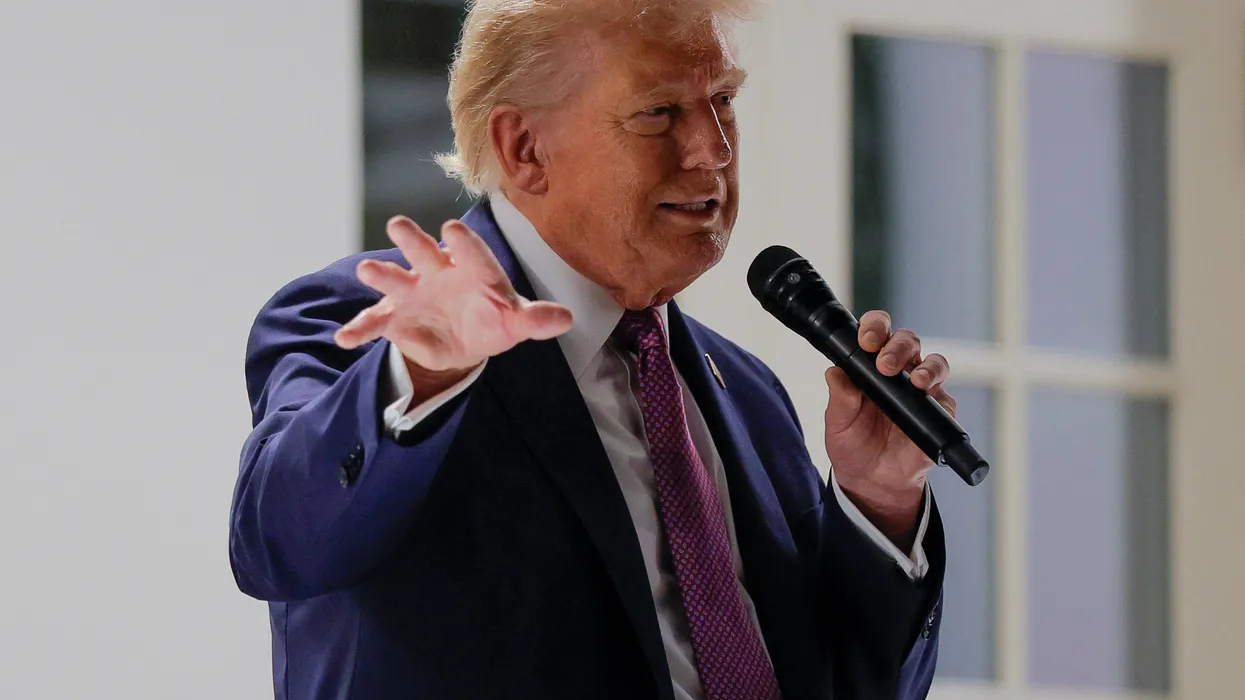
President Donald Trump has suffered his fifth consecutive defeat at the appellate court level, as the Ninth Circuit Court of Appeals rejected U.S. Immigration and Customs Enforcement's (ICE) mandatory detention policy.
MSNBC producer Kyle Cheney reported that the Ninth Circuit's ruling covers California, Arizona, Nevada, and Washington—a jurisdiction with substantial immigrant populations and thousands of detainees. Politico described the decision as "the most significant rejection yet" of the administration's mass detention agenda. Lower courts across those states will now be bound by the precedent.
The 2-1 ruling determined that the administration misconstrued decades-old immigration statutes that form the framework of the modern deportation system. Those statutes trace to the Illegal Immigration Reform and Immigrant Responsibility Act of 1996 and the Antiterrorism and Effective Death Penalty Act of the same year, which together reshaped enforcement authority but, as the court found, did not establish the blanket detention framework the administration claimed. Writing for the majority, Trump appointee Judge Daniel Bress stated:
"The government's change in policy has resulted in detained aliens filing thousands of habeas petitions in federal courts across the country, seeking bond hearings and possible release from detention. The implication of the government's position is that Congress in 1996 made a major change to the immigration laws by subjecting millions of unadmitted aliens present in the United States to mandatory detention, but that this change then went unnoticed and unheeded, with the Executive Branch for the next three decades … We accordingly do not think that Congress in 1996 made such a large-scale change to our established system of immigration detention in the way that the government now contends."
Under the ruling, individuals who have resided in the United States for years and established families can only be detained following a bond hearing, which requires persuading an immigration judge that they can safely remain in their communities while proceedings are pending.
The Ninth Circuit joins four other appellate courts that have ruled against the policy: the Atlanta-based 11th Circuit, the New York-based 2nd Circuit, the Denver-based 10th Circuit, and the Cincinnati-based 6th Circuit. Only the 5th and 8th Circuits have ruled in the administration's favor. Litigation is pending in four additional circuits. With five circuits now aligned against the policy and only two in favor, the divide among federal appeals courts creates conditions that typically prompt Supreme Court review to resolve the conflict.
According to Politico's analysis, 460 federal judges have ruled against the administration across more than 10,000 cases involving detention policies, compared with 54 judges who sided with the government in approximately 1,100 cases.
The Ninth Circuit's published opinion is available here. Politico's coverage of the ruling is available here.
Legal experts argue that the administration misread congressional intent, contending that Congress never intended to mandate detention for all undocumented immigrants regardless of their community ties. The resulting litigation has underscored a constitutional tension between asserted executive authority and due process protections under immigration law.

