Nigerian Lawmakers Threaten Fresh Sanctions as Telecom CEOs Again Fail to Appear Over Poor Network Quality
Key Takeaways
- •The CEOs of MTN, Airtel, Globacom and Mafab Communications skipped the House committee's summons for the second straight week, prompting lawmakers to weigh fresh sanctions.
- •The House rejected the operators' claim that ALTON's chairman could speak on their behalf, insisting each separately licensed operator must personally account for its network quality at the November 4 sitting.
- •Legislators ordered ALTON representatives to leave the proceedings, warning the association against any further uninvited appearances before the committee.
- •ALTON argues the summons exceeds the National Assembly's investigative powers under Sections 88 and 89 of the 1999 Constitution and has pending Federal High Court cases seeking a judicial interpretation.
- •The NCC disclosed that more than 75 million subscribers have been compensated for poor service, with operators carrying out over 7,000 targeted network interventions in 2026.
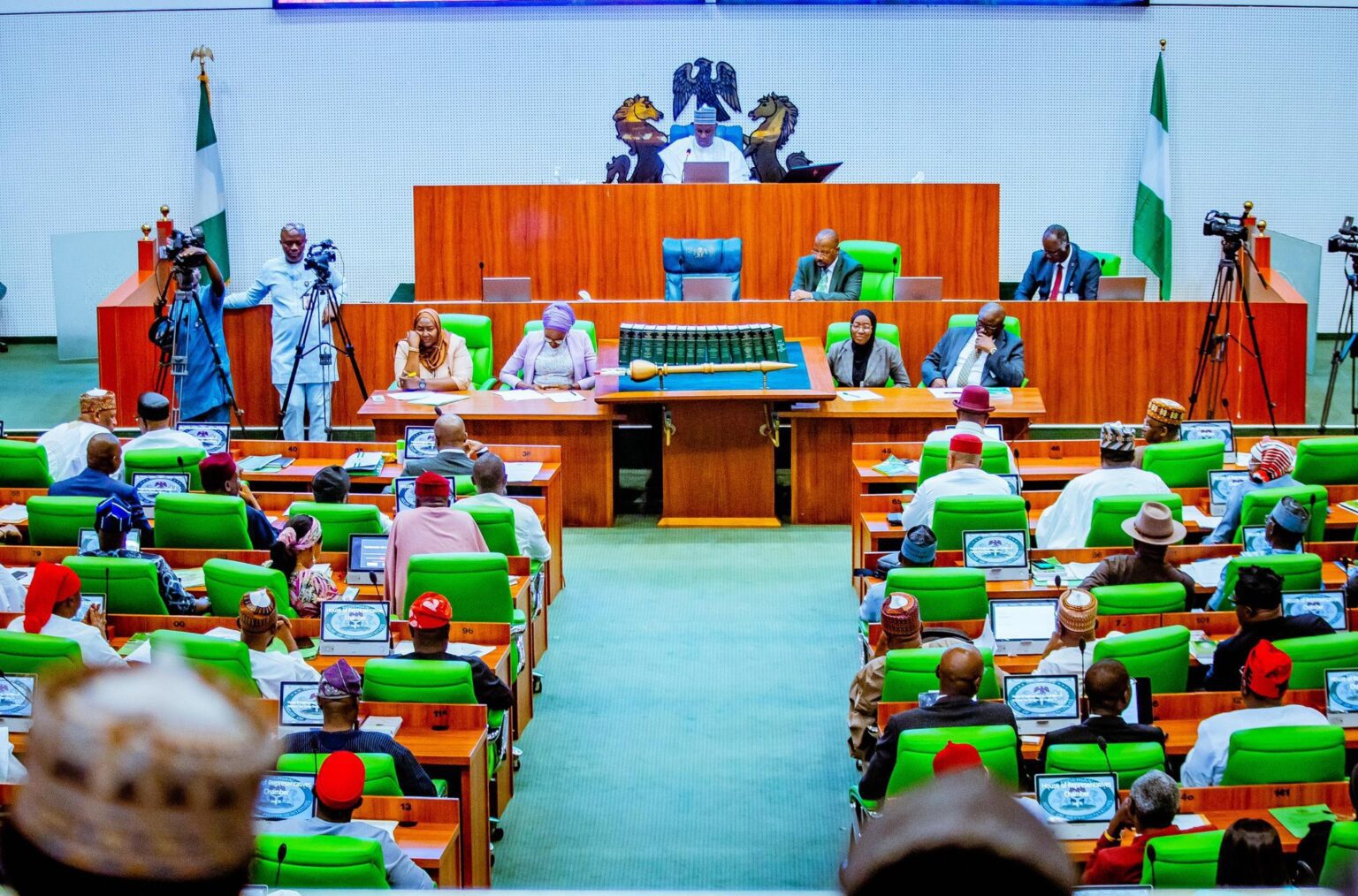
The Nigerian House of Representatives has threatened to impose fresh sanctions on leading telecom operators after their chief executives failed to appear before its ad hoc committee investigating poor network quality — the second consecutive week the companies have skipped the summons.
The CEOs of MTN, Airtel, Globacom and Mafab Communications again disregarded the House's directive when the Ad Hoc Committee on Telecommunications Service Quality met on Wednesday. According to a PunchNews report cited by TechNext24, lawmakers weighed new sanctions and stressed that the industry's regulatory framework and pending court proceedings cannot override the constitutional powers of the National Assembly.
The standoff has escalated a broader confrontation between lawmakers and the Association of Licensed Telecommunications Operators of Nigeria (ALTON), the industry body whose members had earlier questioned the House's authority to compel operators to account for pressing service matters and demanded clarity on the constitutional grounds empowering lawmakers to investigate issues in the telecom sector. For subscribers, the institutional tussle is more than procedural: it shapes which authority can compel answers when calls drop, transactions fail and coverage thins — the very grievances that triggered the summons.
Tensions intensified when legislators ordered ALTON representatives to walk out of the proceedings, warning that the committee would not tolerate unapproved or unauthorised appearances that could warrant detention.
"You are not invited. You are an intruder. This will be the last warning. On no account, except you are invited, should ALTON, under any guise whatsoever, appear before this committee again," said Sunday Umeha, who represented the ad hoc committee's chairman, Olumide Osoba.
When the telecom CEOs missed the initial inquiry on October 28, they argued that ALTON's chairman, Engr. Gbenga Adebayo, had the authority to represent them. The House rejected that position, noting that because each operator holds a separate licence, all of them must personally account for the state of their networks at the next sitting on November 4.
Presiding over Wednesday's meeting, Umeha asked whether the operators had secured a court order restraining the committee from continuing its investigation. Lawmakers also accused ALTON of ignoring an earlier directive that the association, not being invited, should not attend the proceedings.
The summons was prompted by persistent complaints from Nigerians about a steep decline in service quality. The CEOs were called to explain the causes of dropped calls, slow internet connections, failed airtime purchases, failed data transactions and weak network coverage in several Nigerian communities.
ALTON has characterised the directive as raising "serious constitutional questions" about the scope and limits of legislative investigative powers. Speaking to journalists over the weekend, Adebayo said the summons exceeded the boundaries set by the 1999 Constitution.
He maintained that he appeared before lawmakers not to prevent individual operators from discharging their legitimate responsibilities, but to ensure the committee understood the industry's concerns and the constitutional issues arising from the nature of the summons. Lawmakers responded that Adebayo could not represent the individual operators in that capacity.
At the heart of the dispute is the interpretation of Sections 88 and 89 of the 1999 Constitution, which grant the National Assembly investigative powers for specific legislative purposes — the latest collision between competing claims of legislative oversight and sector regulation. The unresolved question — whether parliamentary powers reach directly into commercially licensed, regulator-supervised networks — is the same one ALTON has asked the Federal High Court to settle.
Adebayo argued that the critical question is "whether those powers extend to compelling privately owned and regulated telecommunications companies to account for their commercial and operational activities in circumstances where the matters being investigated fall within the statutory jurisdiction of the sector regulator."
He disclosed that ALTON has several pending cases before the Federal High Court seeking a judicial interpretation of the Assembly's oversight powers over telecom operators. While affirming respect for accountability and a willingness to cooperate with lawmakers, he said the House should complement the role of the Nigerian Communications Commission (NCC) rather than duplicate it.
The NCC, for its part, disclosed at its 95th Telecom Consumers Parliament in Lagos that more than 75 million subscribers have now been compensated for poor service, adding that telecom operators carried out more than 7,000 targeted network interventions in 2026.
Attention now turns to November 4, the sitting the House fixed for the operators to personally account for the state of their networks, and to the Federal High Court, where ALTON's pending cases could yield a judicial interpretation of the Assembly's oversight powers over the sector.
Source: TechNext24

