Nigerian AI Researcher Fagbuaro Builds System to Flag Driver Distractions on Local Roads
Key Takeaways
- •Fagbuaro trained his distraction-detection model on about 48 hours of driving data collected from Nigerian drivers, and the system issues real-time alerts for behaviours such as eating or drinking at the wheel.
- •He argues that driver-monitoring systems built for other markets may perform unreliably in Nigeria because lighting, skin tones and camera positioning differ, and he wants the technology adapted for vehicles made or assembled in the country.
- •No accuracy figures have been released and no manufacturer, fleet operator or ride-hailing company has been named as a tester, leaving the system's performance publicly unverified.
- •Nigeria's FRSC recorded 10,446 road crashes and 5,289 deaths in 2025, with crashes rising 9.2 per cent while deaths fell 2.4 per cent short of the corps' 10 per cent reduction target, and distraction-specific crash causes remain unmeasured.
- •Uber will stop operating in Nigeria on September 2, 2026, and Moove said on October 8 it would wind down its operations, with eligible vehicles worth about ₦35 billion passing into the full ownership of existing customers, though Fagbuaro's system has no stated link to either company.
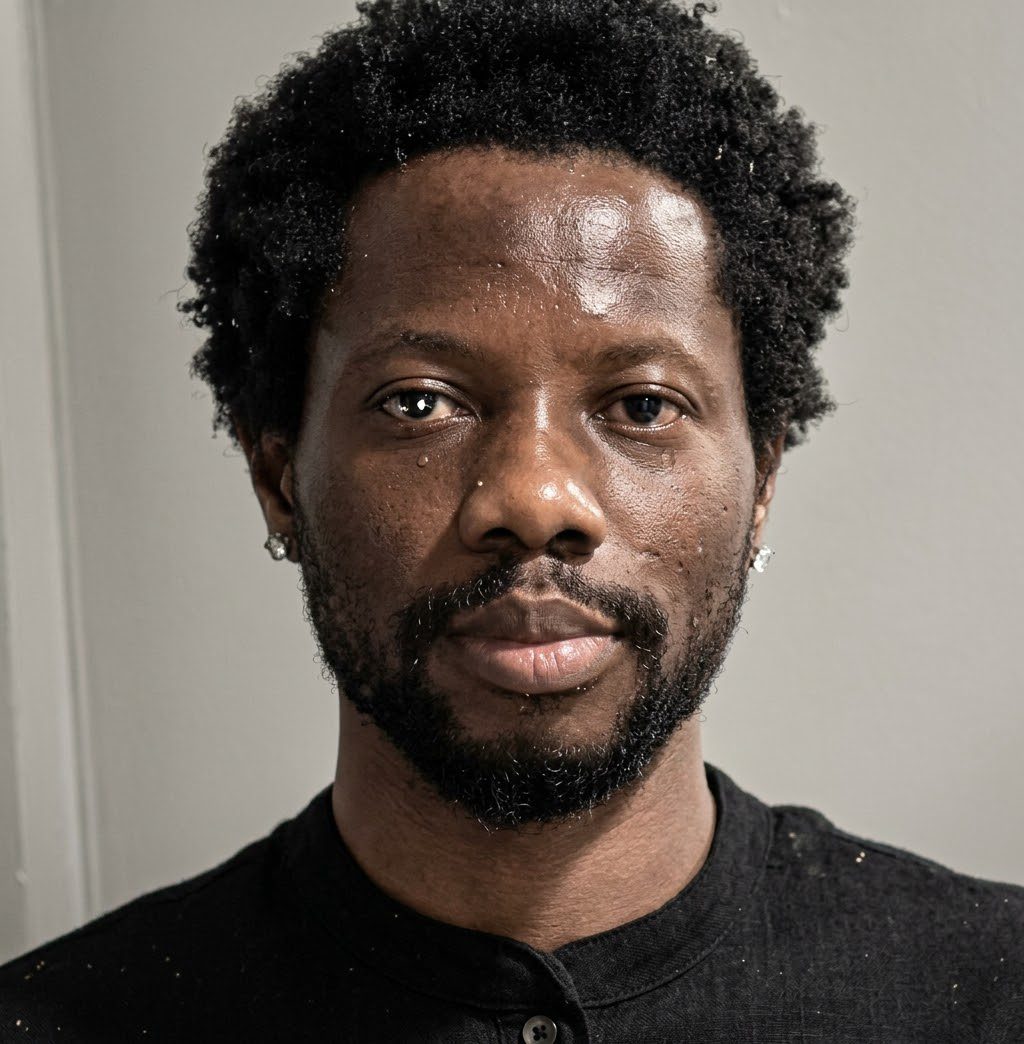
Boluwaji Fagbuaro, a Nigerian artificial intelligence and machine learning researcher and developer, says he has built an AI system designed to flag distracting behaviour among drivers using data collected from Nigerian roads. He wants the technology adapted for vehicles made or assembled in Nigeria.
Fagbuaro says he collected roughly 48 hours of driving data from Nigerian drivers to train the model. The system recognises activities such as eating and drinking at the wheel and alerts the driver in real time.
He argues that driver-monitoring systems built for other markets may not account for local conditions. Lighting, skin tones and camera positioning, he says, can all affect how reliably such systems read driver behaviour. Driver monitoring is already an established automotive safety category — regulators in Europe are requiring new vehicles to carry systems that warn against drowsiness and distraction, making camera-based monitoring an increasingly common feature in new cars — which is what puts the question of training data under local conditions in focus.
"What would a driver-monitoring system look like if it were built specifically around Nigerian drivers and Nigerian driving conditions?" he asks. That question became the project.
The longer-term plan is a driver-coaching platform. It would track behaviour over time and generate weekly reports on how often distractions occur and whether a driver's habits improve or worsen. Fagbuaro has not said whether this feature is already working.
He also says manufacturers could eventually use such a system, trained on data representing local drivers, to develop and test safety technology.
Technext could not independently verify the system's performance. Fagbuaro has not provided accuracy figures or named any manufacturer, fleet operator or ride-hailing company testing it. There is, as yet, no public measure of how the system performs.
Nigeria's roads remain deadly. The Federal Road Safety Corps (FRSC) recorded 10,446 road crashes and 5,289 deaths nationwide in 2025. Crashes rose 9.2 per cent from 9,570 in 2024, while deaths fell 2.4 per cent from 5,421. The drop in deaths fell short of the corps' 10 per cent fatality-reduction target.
Distraction is already on the FRSC's agenda. Corps Marshal Shehu Mohammed launched the 2025 Ember months campaign under a theme urging motorists to stop distracted driving. Speeding, however, remains the biggest recorded cause. Speed limit violations accounted for 41 per cent of identified crash causes in December 2025. The figures do not show how many crashes were caused by distraction, which leaves the scale of the problem such a technology would confront in Nigeria unmeasured.
The ride-hailing sector is also changing. Uber confirmed it would stop operating in Nigeria on September 2, 2026, ending 12 years in the market. Moove, the Lagos-founded vehicle financier that supported ride-hailing drivers, said on October 8 that it would wind down its Nigerian operations. It said eligible vehicles worth about ₦35 billion would pass into the full ownership of existing customers, with no further payments to the company for the vehicles.
Fagbuaro has not said his system is linked to either company or built for ride-hailing drivers. Who might eventually use a system trained on local driving data — private drivers, fleet operators or manufacturers — and whether the missing disclosures, from accuracy figures to a named testing partner, ever arrive are the main things to watch as the project develops.

