Nigeria's SEC Plans African Depositary-Receipt Framework in Push to Grow Capital Market to ₦750 Trillion
Key Takeaways
- •Nigeria's SEC is developing an African depositary-receipt framework intended to encourage cross-border listings and draw companies and investors from other African countries into Nigeria's capital market.
- •The initiative is part of the SEC's plan to expand Nigeria's capital market from about ₦250 trillion to ₦750 trillion over the next decade.
- •Depositary receipts would allow Nigerian investors to gain exposure to shares in foreign-listed companies through approved market structures, with the underlying shares held by a custodian.
- •The Egyptian Exchange began exploring a similar arrangement in October that could let Egyptian investors gain exposure to Dangote Group companies through Egyptian depositary receipts, with the proposal still under consideration.
- •The framework's effectiveness will depend on yet-to-be-published rules for trading, custody, and settlement and on cooperation among regulators across African countries.
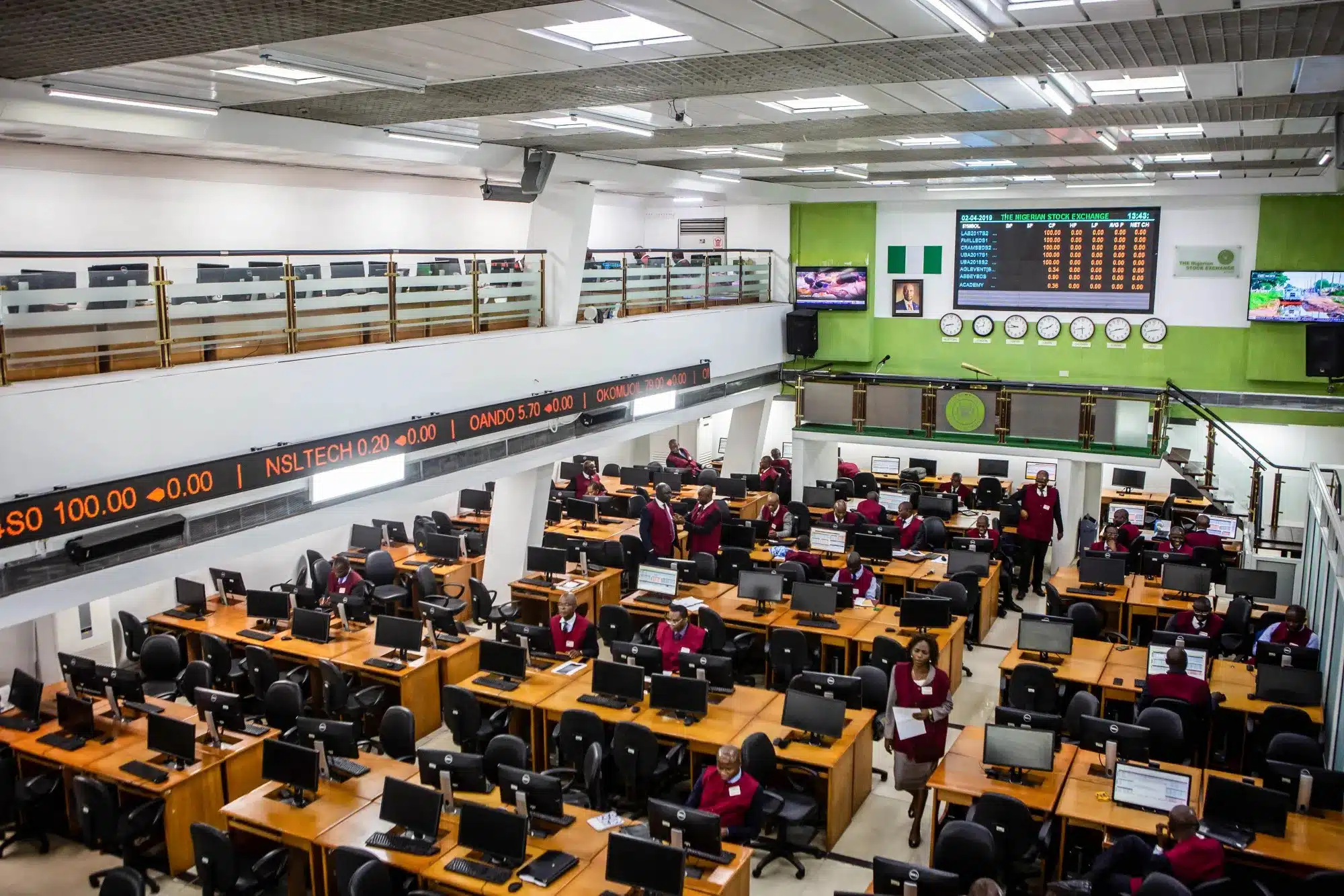
Nigeria's Securities and Exchange Commission (SEC) is preparing to introduce a framework designed to make it easier for companies across Africa to attract Nigerian investors, as the country moves to expand its capital market and strengthen its position as a regional financial hub.
The proposed African depositary-receipt framework is intended to encourage more cross-border listings and draw companies and investors from other African countries into Nigeria's capital market, according to a Bloomberg report published on October 22. The initiative comes as the SEC pursues a broader plan to grow the market from about ₦250 trillion to ₦750 trillion over the next decade.
Depositary receipts are financial instruments that allow investors to gain exposure to shares in a company listed in another country without necessarily buying those shares directly on the foreign stock exchange where the company trades. The structure is a long-established fixture of cross-border finance: American Depositary Receipts have for decades let non-US companies reach US investors, and comparable programs operate in other major markets.
Under such an arrangement, a Kenyan company seeking Nigerian investors could, for example, let them buy receipts representing shares in the Kenyan business through an approved Nigerian market structure, with the underlying shares held by a custodian subject to the arrangement's rules. This could simplify cross-border investing by allowing investors to use familiar local market infrastructure rather than navigate a foreign stock exchange and its separate investment procedures. For issuers, receipt programs can open a route to foreign investors without the issuer having to list its shares directly on the investors' home exchange.
The concept of using depositary receipts to widen investor access is also gaining attention elsewhere on the continent. In October, the Egyptian Exchange began exploring a similar arrangement that could allow Egyptian investors to gain exposure to Dangote Group companies through Egyptian depositary receipts, a proposal that remained under consideration.
Nigeria's plan comes amid efforts to attract more capital into local businesses and expand the pool of investors available to companies seeking funding. A larger investor base could help businesses raise money for expansion while giving Nigerians access to investment opportunities beyond their domestic market. It could also encourage more African companies to consider Nigeria when seeking capital — a dynamic that speaks to the ₦750 trillion goal, which rests on bringing more companies and investors into the market.
Making the framework work, however, will require clear rules, cooperation between regulators and reliable arrangements for trading, custody and settlement across countries.
The need is evident in Africa's fragmented investment landscape. Reuters reported in October that regulatory differences and limited access to foreign share offerings created hurdles for investors across the continent during Dangote Refinery's initial public offering.
The SEC's proposed framework could help address some of these barriers, although its eventual impact will depend on how it is designed and implemented. For now, the plan marks a step toward connecting African capital markets. Whether it attracts significant new listings and investment will depend on the opportunities companies see in Nigeria and how easily investors can participate. The details to watch are the ones the SEC has yet to publish: the rules governing trading, custody and settlement, and how cross-border regulatory cooperation is structured. Movement on the Egyptian Exchange's parallel proposal would offer an early indication of how readily African markets adopt the receipt model.
Source: TechNext24

