Nigeria Records $947 Million in July Remittances, Its Highest Monthly Inflow Ever
Key Takeaways
- •Nigeria recorded $3.8 billion in formal remittance inflows from January to July 2026, up 50.2% year-on-year.
- •July 2026 inflows of about $947 million were the highest monthly total ever recorded through IMTOs, just shy of the CBN's $1 billion target.
- •CBN Governor Olayemi Cardoso set the $1 billion monthly remittance goal nearly two years ago to channel more diaspora funds through official means.
- •Key reforms include a market-driven FX system, revised IMTO regulations, and the Non-Resident Bank Verification Number for Nigerians abroad.
- •Sustained growth will depend on the durability of the FX reforms and continued simplification of diaspora banking access.
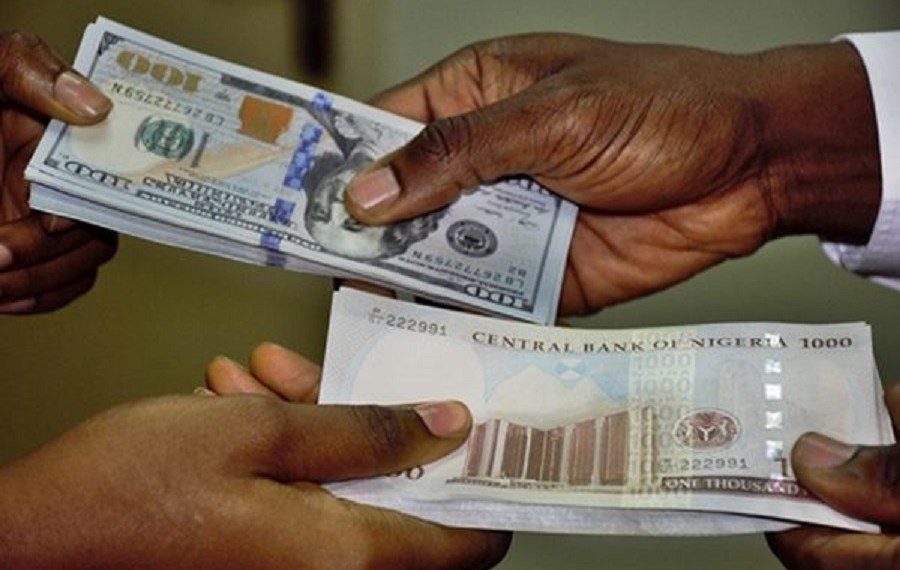
Nigeria's formal remittance market is experiencing significant growth, with Nigerians abroad sending $3.8 billion home between January and July 2026. Data from the Central Bank of Nigeria (CBN) shows this represents a 50.2% increase compared to the same period in 2025, indicating a growing preference among the diaspora for formal channels when transferring money to the country. Remittances from Nigerians abroad have long been one of the country's largest sources of external inflows, and channelling more of them through regulated routes directly supports the CBN's efforts to rebuild foreign exchange liquidity after years of pressure on the naira and shrinking external reserves.
Several factors have driven this increase. Recent foreign exchange reforms and changes to the regulations governing international money transfer operators (IMTOs) have made it easier for Nigerians abroad to send money through regulated financial avenues. These changes are designed to encourage the use of formal channels, which are regarded as safer and more reliable. The shift matters because a substantial share of Nigeria's remittances has historically moved through informal channels, where funds bypass the banking system and contribute little to official foreign exchange supply.
July 2026 was particularly notable, recording approximately $947 million in remittances through formal channels — the highest monthly inflow ever recorded through IMTOs. The figure brings Nigeria within just $53 million of the CBN's target of $1 billion per month.
CBN Governor Olayemi Cardoso set that target nearly two years ago with the aim of boosting the flow of diaspora funds into Nigeria through official means.
"When we set a clear ambition to reach $1 billion a month in remittance inflows through formal channels nearly two years ago, some people thought we were dreaming," Cardoso said. "Now, at $947 million in July, we are getting closer to that milestone."
Reforms behind the growth
The CBN attributes the recent growth in formal remittance channels to a series of reforms aimed at enhancing their competitiveness, transparency, and accessibility. A significant measure has been Nigeria's transition to a more market-driven foreign exchange system, which has notably improved conditions for formal remittance transactions and made it easier for Nigerians abroad to send money home. Before these reforms, wide gaps between official and parallel-market exchange rates made informal transfers more attractive to many senders; narrowing that gap has reduced the incentive to route money outside the system.
The central bank has also revised its regulatory framework for International Money Transfer Operators and introduced the Non-Resident Bank Verification Number (NRBVN), an initiative that grants Nigerians living outside the country a more structured identity within the Nigerian banking system, facilitating smoother transactions.
In addition, the CBN has strengthened its collaboration with IMTOs, commercial banks, and diaspora communities in major remittance corridors. These efforts aim not only to increase the total volume of remittances sent home by Nigerians abroad but also to ensure that a larger share of these funds flows through regulated and traceable channels.
The central bank has further enhanced requirements for remittance transactions, mandating that they be routed through designated settlement accounts with authorised dealer banks. This gives regulators and financial institutions greater visibility into the flow of foreign currency entering the country, contributing to a more reliable and secure remittance landscape.
Economic significance
Remittances are vital to Nigeria's economy, particularly as the CBN seeks to improve foreign exchange liquidity. Rising formal remittance inflows can strengthen household spending, investment, and overall external financing. For recipients, these flows mean more funds are entering the regulated financial system, especially as competition grows among banks and money transfer companies. Across sub-Saharan Africa, remittances consistently rank among the largest external financial inflows, and Nigeria has historically been the region's top recipient — making the formalisation of these flows significant not just for households but for the country's balance of payments position.
The CBN continues to reduce barriers and streamline processes for remittance services, aiming for sustained growth rather than temporary spikes. In the first seven months of 2026, Nigeria received $3.8 billion, with July alone accounting for $947 million — the highest monthly amount on record. CBN officials stress that their goal is to maintain monthly remittances above $1 billion, with July serving as a significant benchmark for future growth. Whether the momentum holds will depend in part on the durability of the FX reforms and continued simplification of diaspora banking access — the same levers the CBN credits for the gains so far.
Source: TheCable
