Seven Digital Pharmacy Platforms Reshaping How Nigerians Buy Medicine in 2026
Key Takeaways
- •In April 2026, the Pharmacy Council of Nigeria gazetted the Electronic Pharmacy Regulations 2026, which for the first time formally distinguishes between Electronic Pharmaceutical Service Providers that dispense medicines directly and aggregators that route orders without owning products.
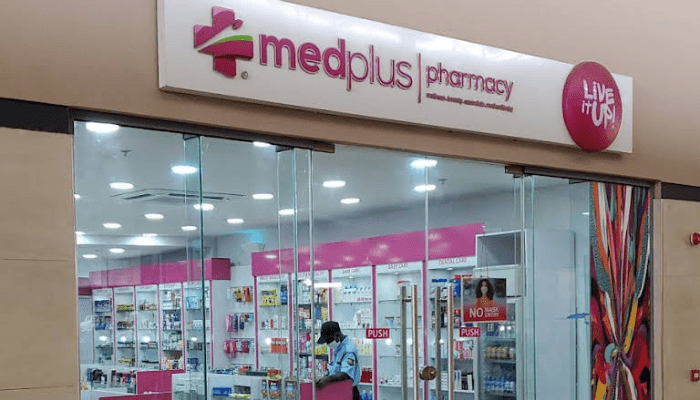
- •Medplus, founded in 1993, runs more than 140 stores across Lagos, Ibadan and Kwara while operating an online store featuring an AI assistant, telehealth consultations, lab test bookings and vaccinations.
- •OneHealth operates as both an online pharmacy and a pharmacy benefits manager, reporting more than 800,000 customers served and same-day delivery to over 1,200 cities across all 36 Nigerian states.
- •Famasi connects customers to more than 1,000 partner pharmacies with price comparison and 25-to-60-minute deliveries in covered areas, while DrugStoc and Remedial Health focus on upstream supplier verification and digitising neighbourhood pharmacies and patent medicine vendors.
- •Several platforms build for repeat, long-term treatment rather than one-off purchases, with Famasi offering auto-refills for chronic medication, WellaHealth using automated SMS reminders across a network of more than 2,000 pharmacies, and OneHealth running its OneWellness subscription.
For years, buying medicine in Nigeria has meant walking into a local chemist, accepting whatever price is quoted with little room to compare, having no reliable way to confirm that the product handed over is genuine.
Counterfeit and substandard drugs have remained a persistent problem in the country's pharmaceutical supply chain, and outside a handful of major cities, access to a properly stocked and staffed pharmacy is not always guaranteed. A growing cohort of Nigerian startups has spent recent years rebuilding that experience, using mobile apps, verified supplier networks and same-day delivery to close some of these gaps.
The regulatory landscape shifted in April 2026, when the Pharmacy Council of Nigeria (PCN) gazetted the Electronic Pharmacy Regulations 2026, replacing the 2021 framework that had previously governed the sector. For the first time, the new rules formally distinguish between Electronic Pharmaceutical Service Providers, which directly sell and dispense medicines, and Electronic Pharmacy Aggregators — third-party platforms that connect multiple providers to consumers without owning the products themselves. The distinction underscores how varied the market has become: some platforms operate as consumer-facing pharmacies in their own right, while others work behind the scenes to shape what pharmacies can stock and sell. For readers, one question separates the models profiled below: whether a platform owns and dispenses the medicine it sells, or routes orders to pharmacies that do.
Here are the seven platforms shaping how Nigerians buy medicine today, spanning both ends of that spectrum.
Medplus
Medplus began in 1993 as a physical pharmacy chain and has since grown into one of Nigeria's largest, with more than 140 stores across Lagos, Ibadan and Kwara. Its online store lets customers order medication, supplements and wellness products for home delivery or in-store pickup, while an AI assistant, Medplus Assist, helps customers check stock and ask medicine-related questions. The platform also offers telehealth consultations, lab test bookings and vaccinations, extending the chain's reach well beyond its physical counters. That blend of a three-decade-old physical footprint with digital services sets Medplus apart from the app-first startups that follow — it is an incumbent taking an existing retail network online rather than a newcomer building one from scratch.
The company was founded by Joke Bakare, who remains its Chief Executive Officer. In March 2022, private equity firm Verod Capital acquired a significant minority stake in Medplus through its Verod Capital Growth Fund III for an undisclosed sum, with the investment earmarked to fund store expansion and deepen the company's digital channel.
OneHealth
OneHealth operates as both an online pharmacy and a pharmacy benefits manager, serving individuals, families, hospitals and health maintenance organisations (HMOs). The technology-powered platform says it has served more than 800,000 customers and offers same-day delivery to over 1,200 cities across all 36 Nigerian states. That mix of customers places it on both sides of the market at once — selling directly to consumers while also sitting inside the supply and payment arrangements of hospitals and HMOs.
Alongside direct pharmaceutical sales, OneHealth runs a subscription wellness arm, OneWellness, designed to manage patients through their full treatment journey rather than a single purchase. The company was founded by Adeola Alli, a pharmacist with years of experience in the United States and the United Kingdom, who serves as CEO. Its backers have included Co-Creation Hub (CcHUB) and the seed-stage fund Chui Ventures.
Famasi
Famasi does not operate its own pharmacy. Instead, it connects customers to more than 1,000 partner pharmacies, allowing them to compare prices before ordering — a direct answer to the opaque, take-it-or-leave-it pricing long associated with the traditional chemist visit. In covered areas, deliveries are promised within 25 to 60 minutes. The platform also supports virtual consultations, auto-refill for chronic medication, order tracking, and the option to send medicines to family members elsewhere in the country or abroad.
Founded in 2021 by chief executive Adeola Ayoola and Umar Faruq Akinwunmi, Famasi has focused on medication adherence for patients managing long-term conditions. In February 2023, it raised a $300,000 pre-seed round led by Microtraction, with participation from GetEquity and several angel investors.
DrugStoc
DrugStoc takes a different approach, targeting the supply side rather than individual customers. Founded in 2015 by Chibuzo Opara and Adham Yehia, it operates a cloud-based procurement platform that connects pharmacies, hospitals and clinics to verified, quality-checked pharmaceutical suppliers, positioning itself as an anti-counterfeit layer in Nigeria's drug distribution chain. With counterfeit and substandard products still persistent in the supply chain, that upstream verification is where the company's anti-counterfeit positioning takes practical form — screening suppliers before goods reach pharmacy shelves.
The company closed a $4.4 million Series A round in 2021, led by the Africa HealthCare Master Fund (AAIC) with participation from Vested World and the German development finance institution DEG, and ranks among the more established health-tech procurement platforms operating in the country.
Remedial Health
Remedial Health, a Y Combinator-backed startup founded in 2020 by pharmacist Samuel Okwuada and Victor Benjamin, digitises the neighbourhood pharmacies and patent medicine vendors that together account for the bulk of Nigeria's retail medicine sales. Its app gives these vendors tools for inventory management, order tracking and buy-now-pay-later financing, alongside a digital point-of-sale system designed to help small pharmacy businesses run more profitably. The approach puts the startup at the layer of the market with the widest everyday reach.
In 2023, the startup raised a $12 million Series A, composed of $8 million in equity and $4 million in debt, co-led by QED Investors and Ventures Platform, with Y Combinator, Tencent and Gaingels also participating. It sources products from major manufacturers including GSK, Pfizer and AstraZeneca.
WellaHealth
WellaHealth combines pharmacy benefits management with affordable micro health plans, distributed through a network of more than 2,000 retail pharmacies. The platform helps community pharmacies maintain digital dispensing records and uses automated SMS reminders to support patients in sticking to their medication schedules, addressing affordability and adherence within a single service.
The company was founded in 2017 by Ikpeme Neto, a physician who returned to Nigeria after working in Ireland and New Zealand and serves as Chief Executive Officer. It has been supported by Techstars, Google for Startups and the Catalyst Fund accelerator, which awarded it an equity-free grant of about $100,000.
Pharmarun
Founded in 2021 and based in Lagos, Pharmarun offers a mobile app through which customers can browse medications, place orders, make payments and access teleconsultations with healthcare professionals. It relies on a network of partner pharmacies to fulfil orders and deliver them directly to customers, combining the ordering and consultation steps of a pharmacy visit into a single digital process.
The startup was co-founded by Teniola Adedeji, a pharmacist who previously worked at drug regulator NAFDAC and serves as chief executive, and product manager Funmilola Aderemi. It began as a WhatsApp community and now serves more than 115,000 users. Its early backing included angel investment from Fedha Capital and a $10,000 equity-free prize at the 2023 Pitch2Win competition.
Taken together, the platforms illustrate two parallel tracks in Nigeria's digital pharmacy market: consumer-facing apps making it easier and faster to buy medicine, and supply-chain platforms working to ensure that pharmacies stock genuine and available products. A shared thread runs through several of them: Famasi with its auto-refill service, WellaHealth with its SMS reminders and OneHealth with OneWellness subscription are all building for repeat, long-term treatment rather than one-off purchases. And with the Electronic Pharmacy Regulations 2026 now the governing framework, how each platform sits within the provider-aggregator split is the detail to follow as the market matures.

