Nigeria Performs West Africa's First Tele-Robotic Surgery via Starlink, With Surgeon 500 Kilometres From Patient
Key Takeaways
- •A surgeon based in Ogun State used a Toumai robotic system connected through Starlink to remotely remove a cancerous kidney from a patient roughly 500 kilometres away in Abuja, in what RHV describes as the first tele-robotic surgery in Nigeria and West Africa.
- •The September 19 procedure was carried out in collaboration with RoboMed Global and Nisa Premier Hospital, lasted about three hours, and the patient was reported in good condition with discharge expected within 24 hours.
- •emphasised that the robotic instruments were controlled by an experienced senior surgeon throughout the operation, and contingency measures were in place because weather can affect network performance, with MTN serving as a backup link.
- •RHV is establishing a robotic surgery academy with RoboMed Global that aims to train at least 150 surgeons within two years, and it has appealed for government scholarships as well as private and NGO funding to expand the programme.
- •The milestone comes as Nisa Premier Hospital has operated as a robotic surgery centre since November 2025 and as Nigeria faces a medical workforce gap, with only about 55,000 of more than 130,000 registered doctors currently practising in the country.
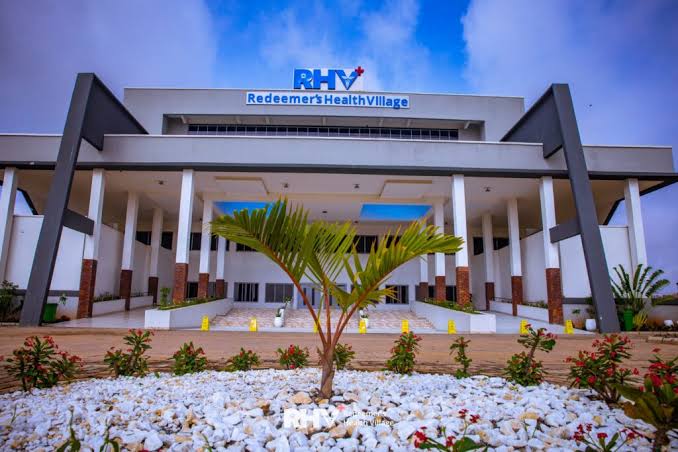
Redeemer's Health Village (RHV) says it has carried out Nigeria's and West Africa's first tele-robotic surgery, with a surgeon based in Ogun State remotely removing a cancerous kidney from a patient in Abuja using a robotic surgical system connected through Starlink, the satellite internet service operated by SpaceX.
The procedure took place on Saturday, September 19, in collaboration with RoboMed Global and Nisa Premier Hospital.
Obi Ekwenna-Davis, a professor of urology and transplantation and co-founder of RoboMed Global, operated a Toumai robotic surgical system from RHV's facility in Mowe, Ogun State, while the patient was at Nisa Premier Hospital in Abuja, roughly 500 kilometres away.
The operation was a robot-assisted right radical nephrectomy, which involves removing a kidney affected by a cancerous tumour. It lasted about three hours, with brief pauses to confirm that the equipment and communication links were functioning correctly — pauses that reflect how heavily telesurgery depends on a stable connection between surgeon and patient.
Starlink provided the connectivity, with MTN, one of Nigeria's largest mobile network operators, available as a backup network, according to reports.
RHV chief executive Dr Adedamola Dada described the procedure as the first telesurgery in West Africa. He said the team had put measures in place to deal with possible connectivity problems, although weather conditions could affect network performance.
Ekwenna-Davis described the operation as "a test, a pilot," adding that the patient was in good condition and expected to be discharged within 24 hours.
RHV board chairman Dr Kunle Onakoya stressed that the robot does not perform surgery independently. According to him, an experienced senior surgeon controls the system remotely throughout the entire procedure. That is the defining feature of telesurgery: robotic instruments at the patient's side reproduce the movements of a surgeon working from another location, making the reliability of the data link central to the procedure.
Robotic surgery academy planned
Following the operation, RHV said it is establishing a robotic surgery academy in partnership with RoboMed Global to train doctors, surgeons, nurses, biomedical engineers and other specialists involved in robotic surgery.
Ekwenna-Davis said the academy aims to train at least 150 surgeons within two years, arguing that continued training will be necessary to sustain the use of robotic surgery in Nigeria.
Dada also called on the government to support Nigerians seeking training in robotic surgery, suggesting that scholarships could help increase the number of trained robotic surgeons in the country within two to three years. He said RHV could serve as a gateway for expanding specialist surgical skills to other parts of Nigeria, while Ekwenna-Davis said the programme has the support of the Minister of Health and other government institutions.
The hospital also appealed for additional support from private organisations and non-governmental organisations to expand the training programme. How quickly the academy moves toward its 150-surgeon target, and whether government or private funders respond to those appeals, will be early indicators of whether the pilot grows into a standing programme.
Dr Ibrahim Wada, chief executive of Nisa Premier Hospital, said the Abuja facility has operated as a robotic surgery centre in West Africa since November 2025 — meaning robotic procedures were already being performed there before the September operation added the remote element, with the surgeon working from roughly 500 kilometres away.
The push for and remote surgery comes amid concerns over Nigeria's shortage of practising doctors. The Nigerian Medical Association has said only about 55,000 of the more than 130,000 doctors registered with the Medical and Dental Council of Nigeria are currently practising in the country — a shortage that gives efforts to extend specialist skills across distance and to train more local surgeons particular significance.

