Nigeria Commissions First Electric Buses for Federal Civil Servants, Targets Local EV Production
Key Takeaways
- •The first phase includes 37 of the 100 electric buses approved under the Renewed Hope Mass Transit Programme.
- •The buses were commissioned at Eagle Square in Abuja for federal civil servants.
- •Each bus can carry up to 200 passengers and travel at least 200 kilometres on a full charge.
- •Officials said the programme is linked to Nigeria’s goal of expanding local electric vehicle manufacturing capacity.
- •A Special Purpose Vehicle has been set up to manage and maintain the buses, and pilot operations will start on selected routes before full rollout.
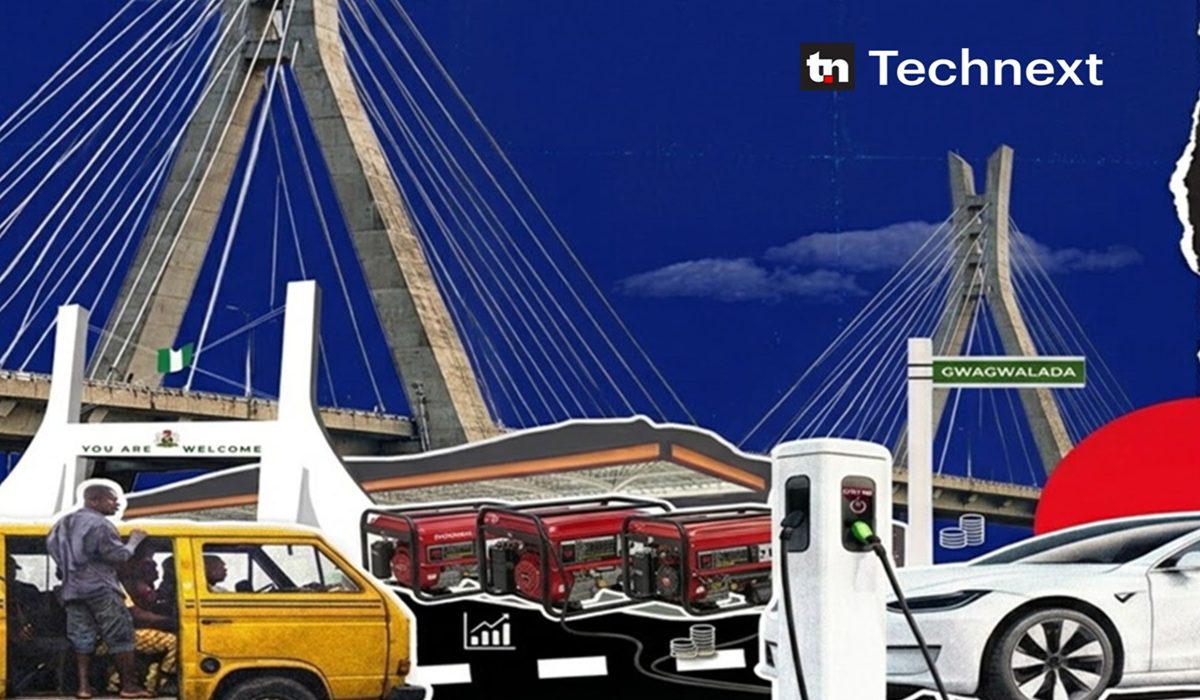
The Federal Government has commissioned the first batch of electric mass transit buses under a 100-bus programme designed for federal civil servants, with officials linking the rollout to broader plans to build local electric vehicle (EV) manufacturing capacity in Nigeria, according to a report.
The buses were commissioned on Wednesday at Eagle Square, Abuja, where the Head of the Civil Service of the Federation, Didi Esther Walson-Jack, described the initiative as a major milestone in efforts to improve civil servants' welfare. The first phase covers 37 of the 100 electric buses approved under the Renewed Hope Mass Transit Programme and acquired through the Renewed Hope Infrastructure Development Fund, which was established in 2024 to finance priority infrastructure under President Bola Tinubu's administration.
Minister of State for Industry, Trade and Investment, John Owan Enoh, said the project extends beyond transportation, tying it to the government's industrialisation agenda and its ambitions to expand Nigeria's automotive manufacturing capacity.
"Nigeria must produce more. Nigeria must manufacture more. Nigeria must create more jobs at home," Enoh said.
The government's vision, according to Enoh, is for more vehicles and mobility solutions used in Nigeria to be produced locally, with the long-term objective of positioning the country as an automotive manufacturing hub for Africa. Nigeria is not starting from zero: a national automotive policy in place since 2013 has drawn global brands into local assembly partnerships and produced Nnewi-based Innoson Vehicle Manufacturing, the country's first indigenous automaker, while in the wider region South Africa has published an electric vehicle manufacturing roadmap and electric bus operators have launched services in Kenya and Rwanda. Reaching that goal, he said, would require Nigeria to develop capacity beyond vehicle assembly, including in battery technology, charging infrastructure, power electronics and modern vehicle systems.
The minister commended the National Automotive Design and Development Council (NADDC) and other stakeholders for their role in the project, and urged local manufacturers to invest in factories, deepen local content and produce globally competitive products. The council, which administers Nigeria's automotive policy, has itself promoted electric mobility in recent years, including demonstration solar-powered EV charging stations installed at universities in Sokoto, Lagos and Nsukka.
Each of the 100 electric buses can accommodate up to 200 passengers and travel a minimum of 200 kilometres on a full charge, Enoh said. Operations will begin with a pilot phase on selected routes before a full rollout, with buses also set to be deployed to Federal Secretariats across the states. The programme forms part of a broader government shift away from petrol dependence since the removal of fuel subsidies in May 2023 sharply raised fuel and transport costs, a period that has also seen the promotion of compressed natural gas (CNG) buses and a Lagos State electric bus pilot. Expanding charging infrastructure at scale is a recognised challenge in a country long accustomed to recurrent grid failures and heavy generator reliance.
Walson-Jack said a Special Purpose Vehicle has been established to manage and maintain the buses, and urged the relevant authorities to ensure transparent routes, safety measures and effective monitoring to sustain the programme.
The commissioning came less than 24 hours before the end of Walson-Jack's tenure as Head of the Civil Service, an initiative she described as her "parting gift" to federal workers.

