Nigeria Targets Six Months to Fund Solar-Powered, Community-Owned Telecom Towers in Rural Areas
Key Takeaways
- •The Nigerian federal government has adopted a six-month target to secure funding for community co-owned telecom towers and solar-powered rural networks in areas with no connectivity, following a resolution at the NCC's investment forum held with Swedfund and Ookla.
- •The rollout of 3,700 towers in underserved communities is scheduled to begin in October, with 200 towers expected to be deployed by December 2026, making the financing closure the first milestone.
- •Funding responsibilities will be divided, with the USPF covering telecom equipment, the REA financing solar mini-grids, batteries, and panels, and state governments supplying land, security, and Right of Way.
- •The infrastructure will be owned and maintained by community cooperatives that share revenue, an approach modeled on the REA's existing Rural Electricity Users Cooperative and supported by a 2025/2026 NCC-REA memorandum of understanding.
- •Although mobile broadband covers about 90 percent of Nigerians, smartphone ownership sits near 27 percent and broadband penetration at 57.4 percent against a 70 percent target, with stakeholders also urging faster delivery of the 90,000 km Project BRIDGE fibre backbone between 2026 and 2030.
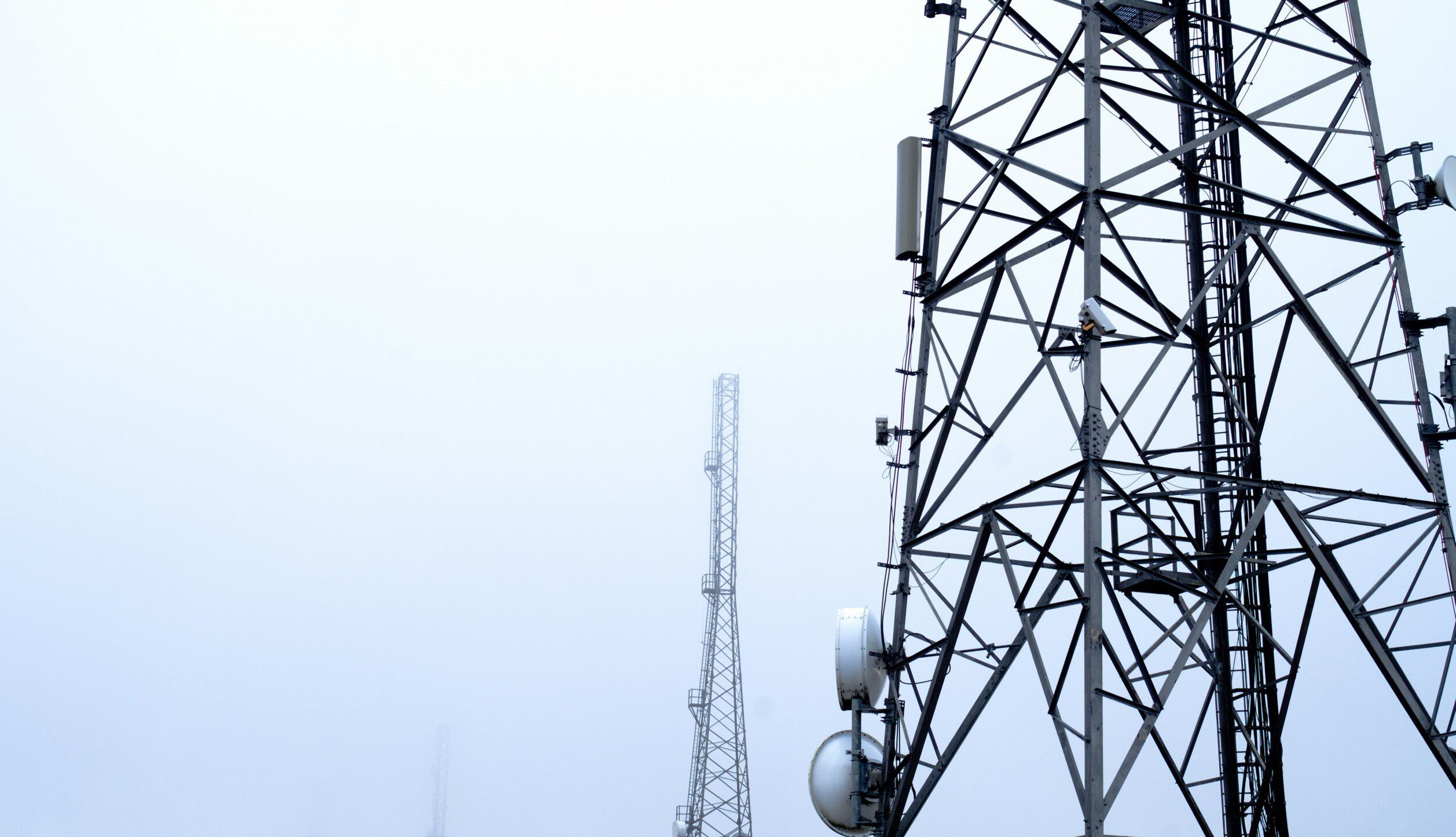
The Nigerian federal government has set a six-month target to secure funding for community co-owned telecom towers and solar-powered rural networks in communities with zero connectivity, part of a broader push to extend sustainable infrastructure to underserved areas.
The target emerged as a resolution at the Nigerian Communications Commission's (NCC) Nigeria Digital Connectivity Investment Forum, held in partnership with Swedish development finance institution Swedfund and connectivity measurement firm Ookla. Under the plan, funding for the community-owned towers will be accessed through partnerships with the Universal Service Provision Fund (USPF), state governments, and the Rural Electrification Agency (REA).
Device affordability remains on the federal government's agenda alongside coverage expansion across rural Nigeria. The planned rollout of 3,700 towers in underserved communities is set to begin in October, with the ambition to deploy 200 of them by December 2026. The six-month funding target now runs against that calendar, making the close of financing the first milestone to watch between now and the October start.
Funding will be split among the partners. The USPF covers the telecommunications side — towers, base stations, small cells, backhaul, and core network elements — for zero-connectivity communities, while the REA funds the energy components, including solar mini-grids, batteries, and solar panels to power the towers. State governments will provide land, security, and Right of Way.
The facilities will be community-owned. Rather than a mobile network operator or the government holding full ownership, a community cooperative will maintain the infrastructure, share its revenue, and keep it sustainable — an approach the REA already applies through its Rural Electricity Users Cooperative. The NCC and the REA signed a memorandum of understanding in 2025/2026 specifically to align their projects on rural connectivity initiatives. Experts have suggested that the USPF should receive regulatory backing as the primary funding source for underserved-area projects, supported by blended public and multilateral financing.
The federal government still faces a usage gap in rural Nigeria. According to the NCC, mobile broadband already covers about 90 percent of Nigerians, yet smartphone ownership stands at roughly 27 percent and broadband penetration at 57.4 percent against a 70 percent target. Device affordability, digital skills, and the gender gap are the leading constraints.
Connectivity expansion initiatives already in place — including shared rural networks, satellite services delivered to unmodified handsets, micro-cabling, solar-powered rural sites, and local device and SIM manufacturing — reduce the cost of reaching rural communities, but none removes the need for affordable devices in users' hands.
At the forum, stakeholders urged the federal government to accelerate delivery of Project BR, the 90,000 km national fibre backbone, as a strategic response to the middle-mile connectivity gap. The backbone plan and the rural tower program address complementary segments of the network — middle-mile fibre for long-haul capacity, and access towers for the final connection into unserved communities. The federal government, through the Minister of Communications, Innovation and Digital Economy, Dr Bosun Tijani, has said deployment of Project BRIDGE will commence by October, with the initiative to be rolled out in phases over five years, from 2026 to 2030.
The forum also encouraged government agencies to advance complementary measures to improve the availability and reliability of power for digital infrastructure, sustain policy consistency, and support financing structures that reduce the sector's cost of capital. It highlighted the need for long-term financing matched to the lifespan of digital infrastructure, noting that such assets have a useful life of twenty to thirty years and cannot be financed on five-year bank tenors. That framing gives the community-ownership model its wider context: infrastructure designed to serve for decades needs stewards, such as the proposed cooperatives, with a matching long-term stake in keeping it running. The discussion comes as infrastructure financing in Nigeria has grown from under ₦70 billion in 2004 to ₦19.4 trillion in 2025.
Telecom operators, infrastructure companies, and technology firms were further encouraged to pursue shared-infrastructure and neutral-host models that lower the cost of rural and indoor coverage, pairing every coverage investment with measures that put affordable devices — including locally manufactured devices and SIMs — into users' hands.

