Small test can provide early warning of nickel ore liquefaction risk
Key Takeaways
- •Nickel ore can liquefy during a voyage if its moisture content is too high, threatening vessel stability and safety.
- •The cargo may look acceptable at loading while still being unsafe, and moisture levels can vary widely within the same shipment.
- •The can test is a practical loading-time check that may reveal free moisture or fluid-like behavior, but it cannot replace laboratory analysis or expert advice.
- •Under the IMSBC Code, shippers must provide Transportable Moisture Limit and moisture content information before loading, and cargo should only be loaded if moisture is below the limit.
- •Shipowners and operators should involve their P&I Club early and support masters who stop loading when cargo, documentation, or weather conditions raise concerns.
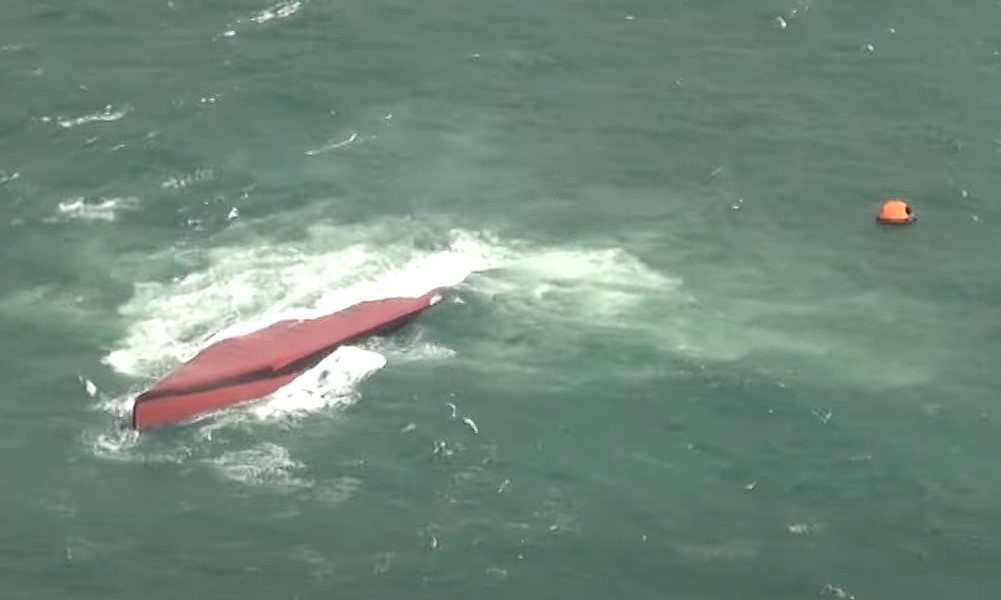
The can test cannot replace laboratory analysis, but it can give crews an early warning that a seemingly solid cargo is dangerously wet, according to Captain Simon Hodgkinson, global head of loss prevention at West P&I.
This year’s Day of the Seafarer focused on seafarers carrying world trade, but also carrying the risks. One of those risks is the carriage of nickel ore. “The dangers of nickel ore are known by shipowners, operators, charterers, masters and crews, but they have not gone away.”
Nickel ore liquefaction
On paper, nickel ore is a bulk cargo like many others, but at sea, if it has not been properly sampled, tested and handled, it can become a serious threat to the vessel and crew. Nickel ore that is too wet can liquefy during the voyage, and a cargo that appeared solid at loading can lose strength, shift and affect the vessel’s stability. In the worst cases, this can lead to the ship capsizing and the loss of life.
Nickel ore is a challenging cargo because its condition is not always obvious by appearance alone. It may look acceptable when presented for loading, while still containing moisture levels that make it unsafe for carriage. The cargo can also vary significantly within the same mine, stockpile or shipment, with some areas much wetter than others.
That creates real challenges for sampling and testing. Cargoes may be stored in open stockpiles, exposed to heavy rain, transported by barge, or delivered directly from the mine during loading. In these circumstances, certificates and declarations must be treated with care, particularly where there are doubts about how samples were taken, whether they were representative, or whether the cargo has been exposed to rain since testing. For crews and masters, that makes documentation review and现场 checks especially important because the cargo’s appearance alone can be misleading.
Under the International Maritime Solid Bulk Cargoes (IMSBC) Code, nickel ore is treated as a cargo that may liquefy, so shippers must provide the relevant Transportable Moisture Limit and moisture content information before loading. The cargo should only be loaded if the actual moisture content is below the Transportable Moisture Limit. If there has been significant rain between testing and loading, further checks are required too, which is why loading decisions often need to be made in real time rather than relying only on earlier paperwork.
The can test
The can test is one of the most practical tools available to crews and surveyors during loading. In this simple test, a sample of the cargo is placed in a small can and struck repeatedly against a hard surface. If the sample begins to show free moisture, flatten, flow or behave like a fluid, this is a serious warning sign.
For a master, deck officer or surveyor watching cargo come aboard, the can test can help identify material that may be unsafe. Its main aim is to make an invisible risk visible. It can also support the decision to stop loading, question the reliability of cargo documentation and seek further advice.
However, the can test alone cannot guarantee that a cargo is safe, so questionable cargo should not be accepted simply because it appears to pass the test. It is also not designed to replace the IMSBC Code, laboratory analysis or expert advice. It acts as a warning and gives the people closest to the cargo a practical way to spot danger and speak up before an unsafe shipment becomes a casualty.
Shipowners’ role
Nickel ore risk is not something the crew should be left to manage alone once loading has started. Safe carriage depends on decisions made well before the vessel arrives. Owners and operators should involve their P&I Club early when fixing or chartering a vessel to load nickel ore from higher-risk loading areas.
That allows appropriate survey support to be arranged in advance and cargo documents to be reviewed carefully. The location and condition of the cargo should also be established before loading, and if there is doubt, independent testing and expert input should be sought.
The ship’s master must also be supported in practice. If the cargo appears wet, if can tests raise concerns, if documentation is incomplete or unreliable, or if conditions change after rain, the master should have the full backing of the shipowner to stop loading and seek advice, regardless of scheduling or commercial pressure.
Preventing casualties means staying alert to warning signs and making sure everyone involved understands them. The can test is a small action, but it can start an important safety conversation, giving crews the confidence to raise concerns and helping masters make the right call.
Find a reminder of the can test here.

