NFT Memes Explained: Ownership, Famous Sales, Creation and Risks
Key Takeaways
- •NFT memes are internet memes represented by blockchain tokens that provide verifiable ownership and transaction histories, although the underlying images can still be freely copied and shared online.
- •The original Doge meme NFT sold for approximately $4.06 million in June 2021, while a remastered Nyan Cat NFT sold for 300 ETH, worth about $560,000 at the time.
- •Purchasing an NFT transfers ownership of the token only, not automatically the copyright or commercial rights to the associated artwork.
- •DappRadar reported the broader NFT market exceeded 18.1 million sales with roughly $1.6 billion in trading volume in Q3 2025, and recorded about 10.1 million sales with roughly $546 million in volume in October 2025.
- •NFT memes are speculative collectibles whose value depends on cultural relevance, rarity, authenticity, creator reputation and collector demand, with risks including scams, price volatility and limited liquidity.
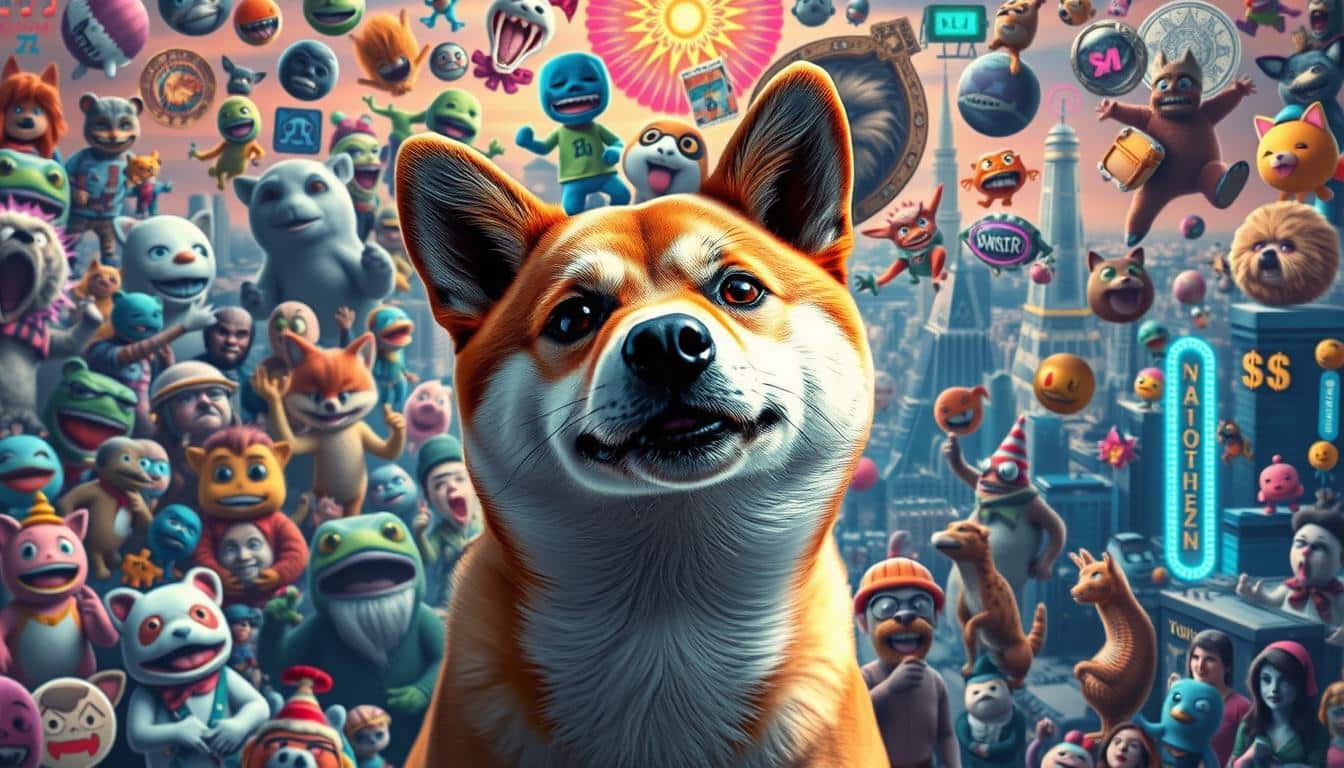
NFT memes combine internet humor, digital art and blockchain technology to create collectible digital assets. Unlike ordinary memes, which can generally be shared freely online, meme NFTs are represented by non-fungible tokens that provide a verifiable record of ownership on a blockchain.
These digital collectibles allow creators to monetize original meme artwork while giving collectors the opportunity to own specific tokenized versions of recognizable internet culture. Purchasing an NFT, however, does not automatically transfer copyright or commercial rights, and the asset’s market value is never guaranteed.
For readers evaluating an NFT meme, the practical distinction is between owning the blockchain token and having rights to the associated content. A token may document ownership history without making the image exclusive, granting commercial permission or ensuring that another marketplace will support the asset.
NFT memes gained particular attention during the 2021 NFT boom, when internet images including Doge and Nyan Cat attracted high-profile auction sales. They remain an intersection of digital creativity, online communities and blockchain-based ownership.
What Are NFT Memes?
An NFT meme is a digital artwork, image, animation or other meme-related content represented by a non-fungible token on a blockchain. An NFT is a unique blockchain-based token that can identify and track a particular digital asset.
Unlike cryptocurrencies such as Bitcoin, whose units are interchangeable, NFTs have distinct identifiers and associated information. An original internet meme can be converted into an NFT by creating a token associated with its digital artwork. The blockchain then records the token’s creation and subsequent transactions, allowing users to verify its ownership history.
The image itself may remain available through websites and social media platforms. Tokenization does not necessarily make the underlying artwork exclusive or prevent other people from copying it. Someone can download and repost a meme without owning its associated NFT, while an NFT holder can possess the token without automatically receiving the exclusive right to reproduce or commercially distribute the artwork.
How Meme NFTs Work
Meme NFTs use blockchain technology and smart contracts to establish verifiable digital ownership. The process generally includes:
- Digital artwork: An original meme image, GIF, animation or illustration serves as the creative asset.
- NFT token: The creator mints a non-fungible token associated with the artwork.
- Blockchain record: The network records the token’s unique identifier, transaction history and ownership information.
- Marketplace listing: The creator can offer the NFT through a compatible marketplace.
- Ownership transfer: When someone purchases the NFT, the blockchain records the transaction and updates the token’s owner.
This creates a distinction between ordinary meme sharing and blockchain-based collecting. It also gives creators another way to explore monetization without changing the broader role of memes in online communication.
How NFT Memes Became Popular
NFT memes gained international attention during the 2021 digital collectibles boom. Blockchain technology had already introduced new ways to distribute digital art, but familiar internet memes helped expose NFTs to a wider audience.
Unlike traditional digital artwork, meme NFTs often have an existing cultural connection. Their appeal may come from years of online circulation, recognizable characters, shared experiences and established internet communities. Several high-profile sales showed that collectors could place substantial value on historically recognizable digital content.
Famous NFT Meme Sales
The following are historical auction results, not current market valuations.
Doge NFT
The original Doge meme featuring Kabosu, a Shiba Inu, sold for approximately $4.06 million in June 2021. The auction attracted international attention and demonstrated the cultural and collectible appeal of internet memes.
Nyan Cat NFT
Chris Torres, the creator of Nyan Cat, sold a remastered version of the famous animated meme for 300 ETH in February 2021. The sale was worth approximately $560,000 at the time.
Success Kid
Success Kid is another recognizable internet meme that entered the NFT collectibles space. Its popularity illustrates how familiar online imagery can become collectible when creators explore tokenization and digital ownership.
These sales demonstrate historical demand for culturally significant meme NFTs, but exceptional auction results should not be treated as evidence that ordinary meme NFTs will achieve similar prices.
Meme NFT sales should also be distinguished from the wider digital art market. Beeple’s Everydays: The First 5000 Days, for example, sold for $69,346,250 at Christie’s in March 2021. That was a landmark NFT artwork sale, not a sale of an internet meme.
Creating an NFT Meme
Creating an NFT meme involves preparing digital artwork, choosing a compatible blockchain, connecting a cryptocurrency wallet and minting the artwork through an NFT platform. Programming experience is not necessarily required because several marketplaces provide guided tools for uploading digital files and generating NFTs.
Creators should nevertheless understand the costs, intellectual-property requirements and technical details before publishing their work.
1. Create Original Meme Artwork
Begin with an original meme concept that communicates a recognizable joke, reaction or cultural reference. Tools that may be used include Canva for simple graphics and layouts, Adobe Photoshop for advanced image editing and illustration, GIMP as a free image-editing alternative, and digital illustration software for original characters and animated artwork.
Originality is essential. Using copyrighted photographs, movie characters, celebrity images or another artist’s illustrations without permission can create legal problems. An image’s popularity online does not mean that it is free to monetize.
2. Choose a Blockchain Network
The blockchain determines how the NFT is issued, transferred and recorded. Ethereum, Solana and Polygon are among the networks and ecosystems used for NFT creation and trading. Ethereum has an established NFT ecosystem, Solana supports fast transactions, and Polygon provides an Ethereum-compatible alternative with different transaction costs.
Each network has different transaction fees, wallet requirements and marketplace integrations. Before selecting one, creators should check whether the intended marketplace supports the network and whether its transaction costs fit their budget.
3. Set Up a Compatible Wallet
A cryptocurrency wallet allows creators to connect to NFT marketplaces and authorize blockchain transactions. MetaMask and Phantom are popular wallet options, although compatibility depends on the blockchain being used.
Before connecting a wallet, users should:
- Download the application from its official website or a verified app store.
- Create a strong password.
- Securely back up the recovery phrase.
- Never share private keys or recovery phrases.
- Verify marketplace URLs before connecting.
A wallet provides access to blockchain assets, making credential security essential.
4. Mint the NFT
Minting is the process of creating and publishing an NFT on a blockchain. A typical process involves opening a compatible marketplace, connecting a supported wallet, uploading the original artwork, adding a title and description, selecting the blockchain and token supply, reviewing the transaction and fees, and confirming the transaction through the wallet.
OpenSea provides creation tools through its Studio interface. Its official documentation explains how users can create collections and mint NFTs without writing smart-contract code: OpenSea and OpenSea’s creation guide.
5. List the NFT for Sale
After an NFT has been created, its creator can list it for potential buyers. Common options include:
- Fixed-price listing: The NFT is offered at a specified price.
- Timed auction: Buyers submit bids during a designated period.
- Collection release: Multiple NFTs are introduced as part of a larger collection.
Creators should review platform fees, network transaction costs and any royalty arrangements supported by the marketplace. Minting an NFT does not guarantee a sale. Marketing, originality, community interest and pricing all influence its commercial prospects.
Where to Buy and Sell NFT Memes
NFT marketplaces allow users to discover, create, purchase and trade digital collectibles. Platforms differ in their supported blockchain networks, collection formats and transaction features. Users should compare supported networks, fees, security practices and listing requirements.
OpenSea is a widely recognized marketplace with tools for discovering, creating and trading digital collectibles, including NFT creation through its Studio interface. Rarible is a marketplace and NFT creation ecosystem with creator-focused tools. Magic Eden is a digital collectibles marketplace that supports multiple blockchain ecosystems. Foundation has historically been associated with curated digital art and creator-led NFT releases; users should check its current marketplace operations and availability before using it.
Marketplace features and fee structures can change. OpenSea’s published fee schedule has listed transaction-related charges, including a typical 1% selling fee, but users should verify the latest terms before completing a transaction.
What Buyers Should Check
Purchasing an NFT meme requires more than examining its artwork or listed price. Buyers should consider:
- Creator authenticity: Verify that the seller is the original artist or an authorized representative.
- Blockchain history: Examine the token’s contract address and transaction history.
- Collection details: Check the number of NFTs issued and whether the stated supply is accurate.
- Artwork rights: Read the licensing terms to determine what rights accompany the purchase.
- Marketplace security: Use established platforms and avoid suspicious links.
- Transaction fees: Account for network gas fees and marketplace charges.
- Resale liquidity: Consider whether there is an active market for the collectible.
These checks can help buyers avoid counterfeit collections, unauthorized artwork and misleading investment claims.
What Makes an NFT Meme Valuable?
The perceived value of an NFT meme depends on cultural relevance, rarity, authenticity, creator reputation and collector demand. Meme NFTs do not have a universal valuation formula, and their prices can fluctuate significantly with market conditions and community interest.
Cultural significance can attract collectors because memes associated with important internet moments represent recognizable parts of online history. Original creations and limited-edition releases may receive more attention than widely duplicated collections, although limited supply alone does not guarantee demand.
Recognized meme creators and digital artists may benefit from stronger reputations because collectors can more easily verify the origin and authenticity of their work. Active communities can increase awareness and encourage participation, but social-media popularity does not necessarily translate into sustainable demand.
Verifiable provenance provides the transaction history of a particular NFT and may help collectors assess authenticity and historical significance. Ultimately, an NFT meme has value only when buyers are willing to pay for it. A listed price should not be confused with actual resale value.
Are NFT Memes Reliable Investments?
NFT memes are speculative digital collectibles, not reliable investments or guaranteed sources of income. Some historically significant meme NFTs have achieved substantial auction prices, but those transactions are exceptional rather than representative of typical market performance.
DappRadar’s Q3 2025 industry report said that NFT sales exceeded 18.1 million during the quarter and generated approximately $1.6 billion in trading volume. The report also said that trading activity increased more quickly than the number of participating wallets. These figures describe the broader NFT market, not meme NFTs specifically.
A sensible approach is to treat meme NFTs primarily as digital collectibles rather than dependable financial assets. Buyers should avoid borrowing money to purchase speculative digital items and should not spend more than they can afford to lose.
Marketing and Online Communities
NFT memes have uses beyond collecting and trading. Brands, independent creators and online communities can use tokenized artwork to experiment with digital engagement by combining recognizable visual content with blockchain-based distribution and community participation.
Potential marketing applications include limited-edition collectibles for campaigns or special events, community rewards for participating customers or members, partnerships with digital artists, interactive promotions and brand storytelling that connects visual humor with a company’s identity and online presence.
NFT campaigns should provide genuine value rather than relying exclusively on speculation or artificial scarcity. Brands should establish clear usage rights, disclose promotional conditions and avoid suggesting that purchasing a collectible guarantees financial returns.
NFT meme communities often form around recognizable characters, shared humor and specific collections. Discord and social-media services allow creators and collectors to communicate, share artwork, discuss releases and coordinate activities. Some projects also offer exclusive digital content, community voting and governance, collaborative artwork, limited-edition releases, online events and creator interactions.
Token ownership does not automatically provide membership benefits, voting rights or exclusive access. Those privileges must be explicitly established by the project.
Developments in NFT Memes
Areas of development discussed in the NFT ecosystem include AI-assisted meme creation, multimedia collectibles, cross-chain marketplaces, community-driven collections and digital brand experiences.
Generative AI tools can help creators experiment with visual styles, characters and meme formats. Creators must still consider copyright, originality and applicable policies for AI-generated content.
NFT artwork can include animation, audio, video and interactive elements, allowing creators to move beyond static images. Interoperability initiatives may make it easier for collectors to access assets across different blockchain ecosystems, although actual compatibility depends on the platforms and networks involved.
Decentralized communities may participate in creative decisions, collection development and governance through token-based systems. Companies may also experiment with NFT-based rewards, digital merchandise and community participation as part of broader marketing strategies.
DappRadar’s November 2025 report, updated in April 2026, described a shift toward more accessible and utility-focused NFT activity. It reported that October 2025 recorded 10.1 million NFT sales and approximately $546 million in trading volume. These figures cover the broader NFT ecosystem and should not be interpreted as statistics for meme NFTs.
For meme NFTs, an important issue is whether individual collections can maintain cultural relevance and attract genuine collectors over time. Long-term interest is more likely to depend on original content, recognizable creators, meaningful community participation and reliable ownership records than on temporary online attention.
Risks and Challenges
NFT memes create opportunities for digital creators but also introduce financial, technical and legal risks.
Copyright and Intellectual Property
An image becoming popular online does not make it free for anyone to monetize. Memes may contain copyrighted photographs, illustrations, characters, music or other protected material. Purchasing an NFT also does not automatically transfer copyright to the buyer.
A joint report from the United States Patent and Trademark Office and the US Copyright Office explains that ownership of an NFT and ownership of copyright in the associated work are separate legal interests. The rights transferred depend on the applicable agreement or license.
Creators should use original artwork or obtain the necessary permissions, verify the rights associated with photographs and other source materials, review commercial licensing requirements, clearly explain the rights granted to buyers and avoid presenting another person’s artwork as their own. Copyright rules vary by jurisdiction, so appropriate legal advice may be necessary when commercial rights are involved.
Scams and Marketplace Security
NFT marketplaces can expose users to phishing websites, counterfeit collections, malicious wallet requests and fraudulent sellers. Scammers may imitate popular projects or create misleading listings to make unauthorized NFTs appear legitimate.
Users can reduce these risks by accessing marketplaces through verified websites, checking collection and contract addresses, never sharing recovery phrases, avoiding unfamiliar wallet transactions, reviewing seller histories and using secure wallets with appropriate authentication measures.
A legitimate marketplace cannot guarantee that every collection listed on its platform is authentic or financially sound.
Volatility and Limited Liquidity
NFT meme prices can change quickly as internet trends and collector interest shift. A meme receiving significant attention today may become less popular later, and some NFTs may be difficult to sell because too few buyers are interested.
Creators should not assume that every mint will generate revenue. Collectors should not rely on historical auction prices when estimating possible future returns.
Technical and Environmental Considerations
NFTs depend on blockchain infrastructure. Network congestion can increase transaction fees, while wallet compatibility and marketplace support can affect how users access their assets.
The underlying artwork may be stored separately from the token. If external hosting or metadata services become unavailable, access to the associated content could be affected. Environmental considerations also vary according to a blockchain’s consensus mechanism and infrastructure.
Understanding these factors helps creators and collectors evaluate the long-term reliability of digital collectibles.
Frequently Asked Questions
What is an NFT meme?
It is a digital meme represented by a non-fungible token on a blockchain. The token allows collectors to verify ownership of a specific asset associated with an image, animation or other digital artwork.
How is an NFT meme different from a regular meme?
Regular memes are generally shared through websites and social media. NFT memes have associated blockchain tokens that provide verifiable ownership and transaction histories, although the underlying image may still be copied and shared online.
What are famous NFT memes?
Doge and Nyan Cat are among the best-known examples. The original Doge meme NFT sold for approximately $4.06 million in June 2021, while Nyan Cat sold for 300 ETH, worth approximately $560,000 at the time.
How can someone create an NFT meme?
The creator can produce original artwork, choose a compatible blockchain, set up a cryptocurrency wallet, connect it to a marketplace, upload the artwork, provide its details, mint the token and list it for sale if desired.
Where can NFT memes be purchased?
They can be found on marketplaces such as OpenSea, Rarible and Magic Eden. Availability depends on the blockchain, collection and marketplace. Buyers should verify the creator and collection before purchasing.
Which blockchain is best for NFT memes?
There is no universally best blockchain. Ethereum offers an established NFT ecosystem, Solana supports fast transactions and Polygon provides an Ethereum-compatible alternative with different transaction costs. The appropriate network depends on marketplace support, fees and user requirements.
Are NFT memes profitable?
Some have achieved high auction prices, but profitability is not guaranteed. Resale value depends on collector demand, cultural relevance, rarity and market conditions. Buyers should treat them as speculative digital collectibles.
Does buying an NFT transfer copyright?
Not automatically. Purchasing an NFT generally transfers ownership of the token, not necessarily copyright or commercial rights to the associated artwork. Buyers should review the applicable licensing terms.
Can an online meme be sold as an NFT?
Not necessarily. Finding or downloading an image online does not grant permission to commercialize it. The seller should create original artwork, obtain permission from the copyright holder or confirm that the material can be used under terms permitting the intended activity.
Are NFT memes still relevant in 2026?
NFT memes remain part of the broader digital collectibles ecosystem, although popularity and trading activity vary. Their relevance depends on creator originality, community engagement, cultural significance and demand for particular collections.
Conclusion
NFT memes combine internet culture, digital creativity and blockchain-based ownership. By transforming recognizable images and online humor into tokenized collectibles, creators have gained another way to distribute and monetize original work.
Sales involving Doge and Nyan Cat demonstrated the cultural and collectible potential of meme NFTs, but those historical results should not be treated as guaranteed financial opportunities. Creators need to focus on originality, intellectual-property rights and meaningful community engagement. Collectors need to understand token ownership, marketplace security, licensing and liquidity.
NFT memes may continue to be used in creative communities, digital marketing and online entertainment. Their long-term appeal will depend more on genuine cultural value and reliable ownership records than on short-term hype.
This article is for informational and educational purposes only. NFT prices are volatile, and digital collectibles carry financial, legal and technical risks. Nothing in this article constitutes financial, investment or legal advice. Readers should conduct independent research before purchasing or creating NFT assets.
Source: Cryptsy. The original post was written by Ethan Blackburn.

