New Zealand Q2 2026 producer price index rises as input costs climb 2.9%
Key Takeaways
- •Input prices rose 2.9% in Q2 2026, after a 1.4% increase in the prior quarter.
- •Output prices increased 1.6% in Q2 2026, up from 0.8% in Q1 2026.
- •The output price rise was the fastest since Q1 2025.
- •The data were compiled and published by Stats NZ and covered the April to June 2026 period.
- •The producer price index is one of the indicators used to assess inflation pipeline pressures in New Zealand.
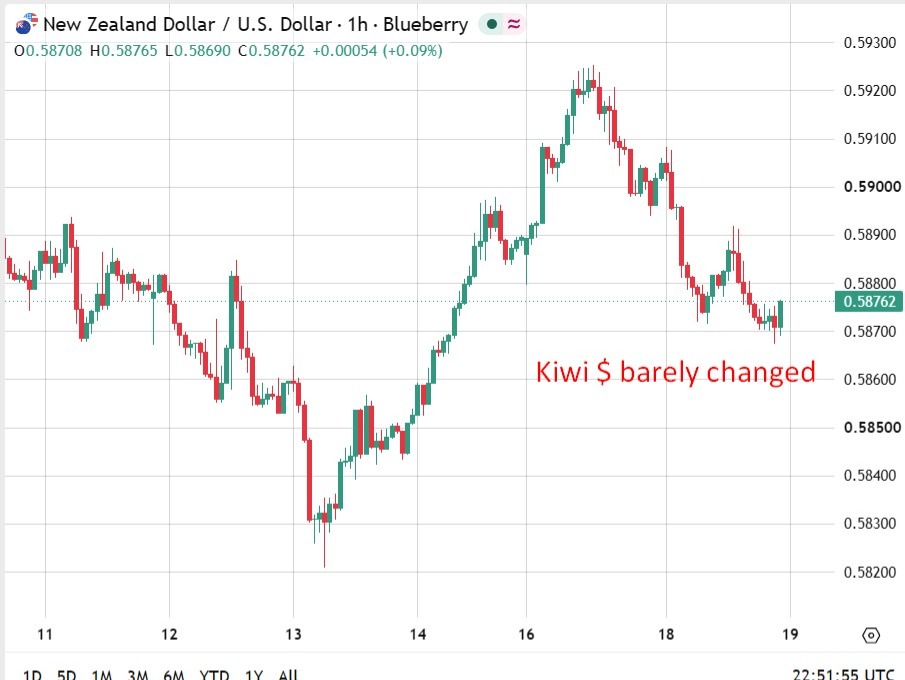
New Zealand's producer prices rose in the second quarter of 2026, according to the latest data.
The quarterly producer price index (PPI) results showed:
- Input prices: rose 2.9% in Q2 2026, up from a 1.4% increase in the prior quarter.
- Output prices: rose 1.6% in Q2 2026, the fastest pace since Q1 2025, accelerating from the prior quarter's 0.8% increase.
The producer price indexes are compiled and published by Stats NZ, New Zealand's national statistics office. The input index measures changes in the prices of goods and services purchased by New Zealand producers, while the output index measures changes in the prices producers receive for the goods and services they sell. The Q2 2026 figures cover the April–June 2026 period.
Producer price data sit upstream of consumer inflation measures such as the consumers price index (CPI), which the Reserve Bank of New Zealand (RBNZ) is required to keep between 1% and 3% over the medium term under its monetary policy remit. Because the PPI captures price changes at the producer level, it is among the indicators used when assessing pipeline price pressure, though the degree to which producer costs pass through to consumer prices varies. In the Q2 2026 release, the two indexes recorded different quarterly rates, with input prices rising faster than output prices.
Stats NZ publishes the PPI on a quarterly schedule after each quarter ends, and the readings form part of the wider set of inflation indicators reviewed at the RBNZ's scheduled monetary policy decisions.
The original post was published as a data-only report, with the site noting it contained "just the data," and was tagged to the New Zealand dollar (NZD).
Source: investingLive

