New York Times headline draws criticism over claim Trump-era America has 'moved on' from 9/11
Key Takeaways
- •A New York Times column by Peter Baker drew online criticism for suggesting the country has moved on from the Sept. 11 attacks a quarter century after they occurred.
- •President Trump commemorated the anniversary at the Pentagon while all former presidents attended the ceremony at Ground Zero in New York City.
- •Reports said Trump avoided Ground Zero because politicians are not permitted to speak there, an explanation he denied.
- •Baker characterized the sitting president as estranged from his predecessors and argued terrorism no longer dominates American politics.
- •Critics argued the headline overlooked the attacks' continuing legacy, including surveillance practices and anti-Muslim sentiment still present during Trump's presidency.
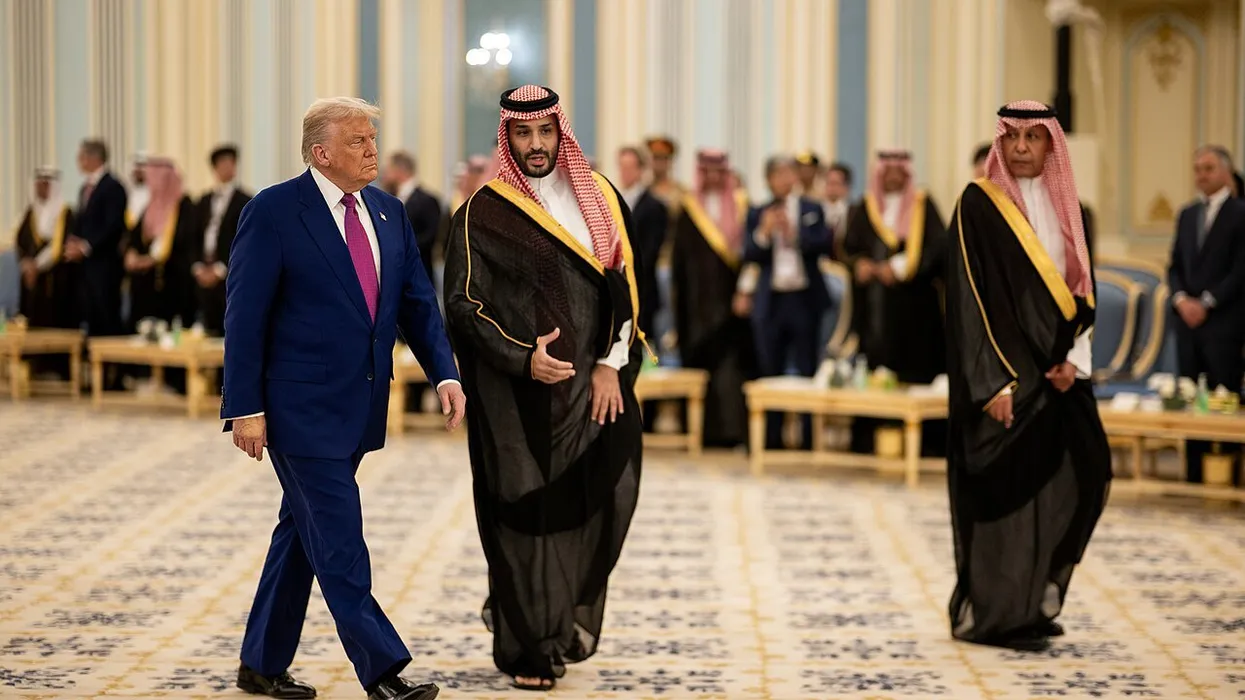
A New York Times headline is drawing criticism for suggesting that President Donald Trump’s America has “moved on” after 25 years of commemorating the Sept. 11, 2001, attacks. The New York Times column, written by reporter Peter Baker, focused on Trump’s physical distance from Ground Zero during Friday’s ceremony.
All former presidents attended the event in New York City, while Trump was at the Pentagon. Reports said Trump did not want to go to Ground Zero because politicians are not permitted to speak there. Trump denied that explanation, saying that if he had wanted to speak, he was certain officials would have allowed him to do so.
Baker wrote that the arrangement portrayed Trump as an outsider among American presidents. He described the contrast this way:
“The disparate images will be stark and telling: four presidents of both parties standing together where the twin towers fell, four presidents whose time in office was shaped to one extent or another by the war on terrorism that gripped the nation for so long. And then the sitting president honoring the occasion at another attack site, estranged from his predecessors and governing at a time when fear of foreign attack has receded into the background of American life.”
“With the distance of a quarter century, Mr. Trump’s presidency has moved past the days when terrorism drove the agenda,” Baker continued. “Just as memories of Pearl Harbor lingered long after World War II ended, the memories of Sept. 11 remain powerful long after the death of Osama bin Laden. But the country and its politics have moved on.”
The suggestion that the country has moved on from Sept. 11 prompted widespread criticism online. Many said the framing presented an overly positive version of the often-romanticized “coming together” that followed the attacks. Critics argued that the attacks’ consequences remain embedded in surveillance practices and anti-Muslim sentiment, which they said are still present during Trump’s presidency. The criticism therefore focused not only on the ceremony’s symbolism, but also on whether the headline and column adequately accounted for the continuing political legacy attributed to Sept. 11.
Bloomberg reporter Gerry Doyle responded to the headline: “I'm sorry what. I understand what each word means individually but I am struggling with them being in this order.”
“The headline says everything about what is now vs. what used to be the New York Times (RIP)...” wrote one New Yorker.
The Guardian’s Julia Wong wrote: “He literally just launched an illegal and unprovoked war in the Middle East that will take a really long time to lose. How does Peter Baker tie his shoes in the morning? I mean my lord. It's honestly hard to think of a single relevant aspect of trumpism as it's remaking American life in 2026 that is not rooted in the post-9/11 expansion of the surveillance state, attacks on civil liberties and politicized xenophobia and bigotry but okay sure.”
Journalism professor Jerry Berger highlighted another passage from Baker’s column: “Americans today are more afraid of one another than they are of foreign terrorists.”
“What could T he New York Times possibly mean by this headline? Maybe it got cut off and they meant 'moving on to become a fascist dictatorship'? Maybe instead of 'moving on' they meant to write 'sinking under'?” asked Ken Calderia, of the research consortium Conceptual Investigations Unit.
Source: Alternet

