Major US Networks Suspend TV Coverage of Trump's UN Trip After White House Bans CNN, Politico and MSNOW
Key Takeaways
- •Four major US networks — Fox News Media, ABC News, CBS News, and NBC News — suspended their television coverage of President Trump's UN General Assembly trip in solidarity with three banned news organizations.
- •Trump announced the on CNN, Politico, and MSNOW on Friday over objections to their coverage, and reporters from those outlets were denied entry and had their credentials confiscated over the weekend.
- •The rotation system, under which CNN was scheduled to handle television duties for the trip, meant the networks' suspension stripped the president's travel to New York of all video coverage.
- •Print, radio, and wire journalists along with still photographers continued covering the trip, so the president's activities were documented in text and photographs despite the video blackout.
- •Robert Reich argued the blackout strikes at Trump's craving for televised attention and that unity among targeted institutions is the most effective response to presidential pressure.
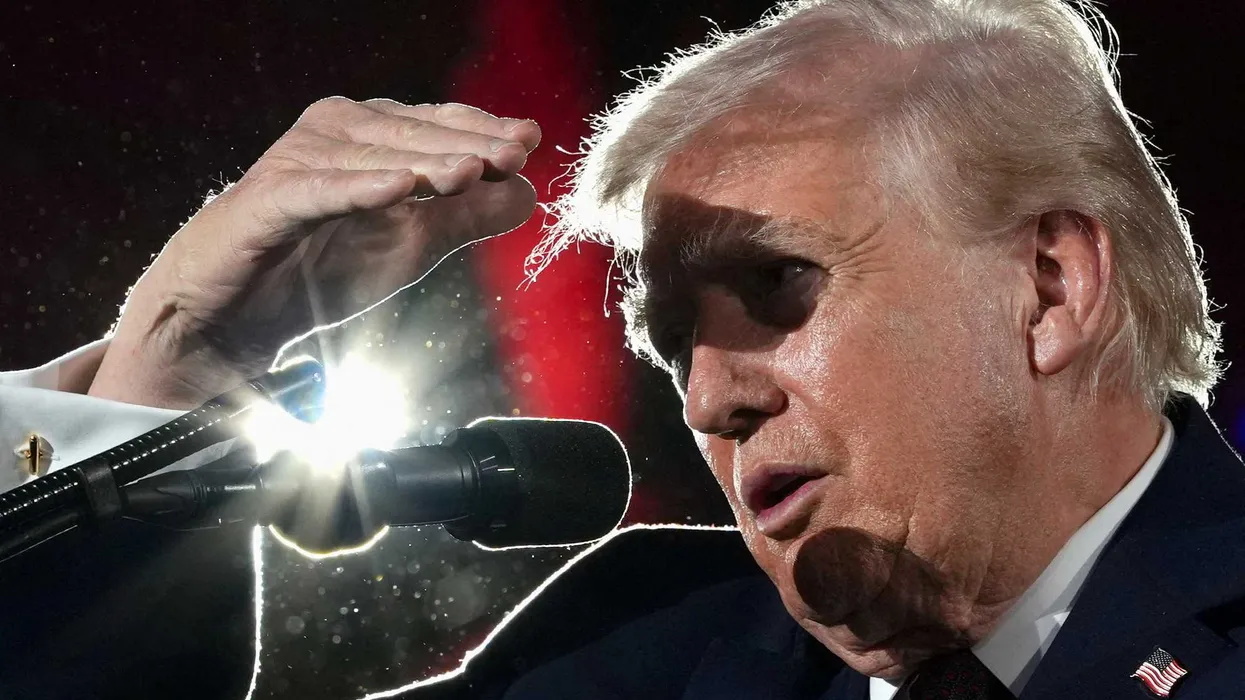
Television coverage of President Donald Trump's trip to the United Nations General Assembly went dark on Monday after four major US networks suspended their broadcasts in solidarity with three news organizations the White House had banned from the press complex.
Writing in his column, published by Alternet, Robert Reich — a professor of public policy at the University of California, Berkeley, and former US secretary of labor — argued that the blackout would strike at the president's most conspicuous weakness: a craving for attention, especially televised attention.
Reich noted that Trump's political career emerged from reality television and that he is known to watch several television screens simultaneously at the White House. Much of his administration's work is viewed through the lens of television, Reich wrote, with cabinet and sub-cabinet officials even chosen on the basis of how they look on screen.
The confrontation began on Friday, when Trump announced he was banning CNN, Politico, and MSNOW from the White House because he objected to their coverage of him and his administration. Over the weekend, reporters from those organizations were denied entry to the complex and had their credentials confiscated.
In response, Fox News Media, ABC News, CBS News, and NBC News suspended their television coverage of Trump on Monday — coverage that also entails distributing their footage to news organizations worldwide, a pooled feed that outlets far from the White House press complex draw on for video of the president. In a joint statement, the four networks said: "No administration should restrict a news organization because it objects to its reporting."
The suspension left Trump without television coverage for his travel to New York because the networks, together with CNN, have long performed the television duties on a rotating basis, and CNN had been slated to provide coverage for the trip. That rotation concentrates television duties in a small group of outlets, which is how a ban aimed at three organizations ended up stripping the trip of televised coverage altogether.
Print, radio, and wire journalists, along with still photographers, were still expected to cover the president's activities, meaning the trip was documented in text and photographs while the video feed stayed dark. How long the suspension lasts and whether the banned organizations' credentials are restored remain the immediate open questions raised by Monday's blackout.
Reich wrote that the American public is ill-served by what he described as an authoritarian White House that refuses to allow negative coverage. But he argued that the media's solidarity revealed a broader truth: the most successful way to respond to Trump is to unite against him.
In his view, the universities Trump has attacked, the law firms he has pressured, and even foreign governments would have faced far more limited consequences had they presented a unified front, pointing to Canada's move toward the European Union in response to US pressure as "exactly right."
"Bullies can't continue to bully if the people and institutions they seek to bully won't succumb to the bullying — especially if they unite," Reich wrote.
Reich is a professor of public policy at Berkeley and a former secretary of labor. His writings can be found at .

