Netanyahu Says Toppling Iran's Islamic Republic Is 'Within Reach'
Key Takeaways
- •Netanyahu said Iran's regime is weaker than ever and that overthrowing it is within reach.
- •The United States resumed strikes on Iran this week after President Trump called a ceasefire in April.
- •Iran retaliated against U.S.-linked targets in the Gulf, Jordan, and Iraq's Kurdistan region, but not against Israel.
- •Netanyahu's comments come ahead of Israel's October 27 elections, where some polls show him trailing and opponents criticize his Iran policy.
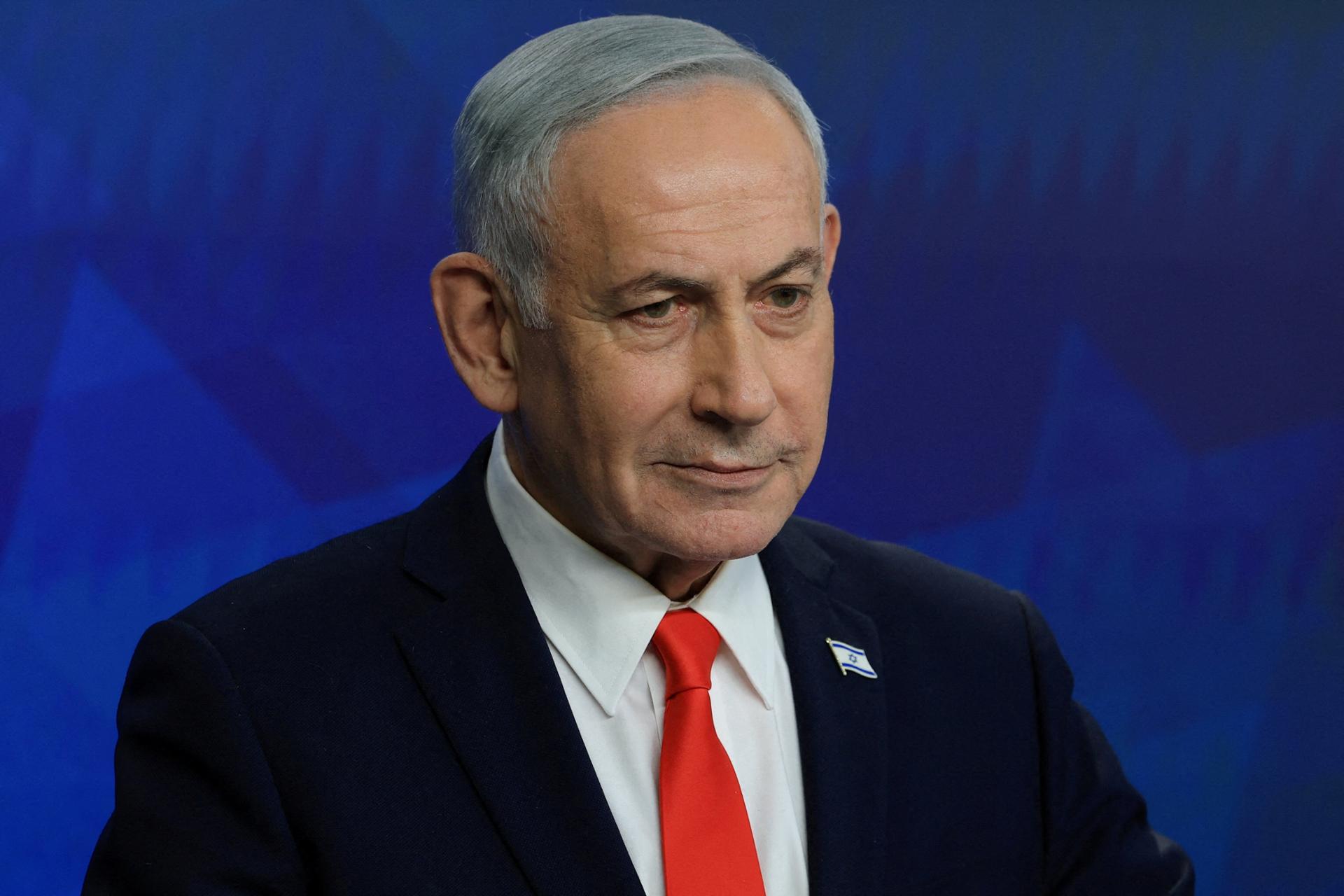
JERUSALEM — Israeli Prime Minister Benjamin Netanyahu said Thursday that Iran's Islamic republic could soon fall, arguing that the Tehran government is weaker than ever as the United States resumes attacks.
"This regime is currently teetering. It is weaker than ever. It is fighting for its survival," Netanyahu said at an event with Israeli military leaders.
"I am convinced that we can remove this threat once and for all — that is, to overthrow this regime. That is the central task that still lies ahead of us, but it is close. It is not impossible. It is within reach," he said.
Netanyahu has described Iran's cleric-run state as an existential threat for decades, making Iran policy a defining theme of his long tenure in Israeli politics. In late February, he launched a joint attack on Iran together with the United States, although U.S. President Donald Trump abruptly called a ceasefire in April.
Washington has since imposed additional economic pressure and resumed strikes this week, prompting Iran to fire back at U.S. allies in the Gulf, in Jordan, and in Iraq's autonomous Kurdistan region — but not at Israel. The retaliation against U.S.-linked targets across the region underscores how the renewed campaign has widened the confrontation beyond the two main adversaries.
"If they're not attacking us, it is not by chance. They attack everyone, but not us," Netanyahu said. "They know our power — the strength of our arms — and our determination."
The remarks come ahead of Israel's October 27 general elections, in which some polls show Netanyahu trailing, and as opposition leaders accuse him of failing on Iran. His explicit call for regime change in Tehran sharpens the contrast with critics who have questioned his handling of the conflict, and it signals that Iran will remain at the center of the Israeli campaign in the weeks before voters go to the polls.

