South African E-Hailing Union NEFSA Slams Uber's Abrupt Nigeria Exit as 'Socio-Economic Abandonment'
Key Takeaways
- •The National E-hailing Federation of South Africa, in a statement signed by General Secretary Omar Parker, criticized Uber's abrupt shutdown in Nigeria and simultaneous withdrawal from Uganda as "socio-economic abandonment."
- •NEFSA said drivers who incurred heavy vehicle financing and lease debts to meet platform requirements are left with repayments but no income, while their personal data remains retained by Uber.
- •The federation claimed the exits violate fundamental rights at work for app-based workers as defined by the International Labour Organisation.
- •According to NEFSA, Uber has also recently exited Côte d'Ivoire and Tanzania under similar conditions, with no worker consultation, compensation, or data accountability.
- •NEFSA is calling on the African Union, ECOWAS, and the East African Community to enact a Continental Code on Responsible Platform Exit requiring worker consultation, debt relief, and data deletion.
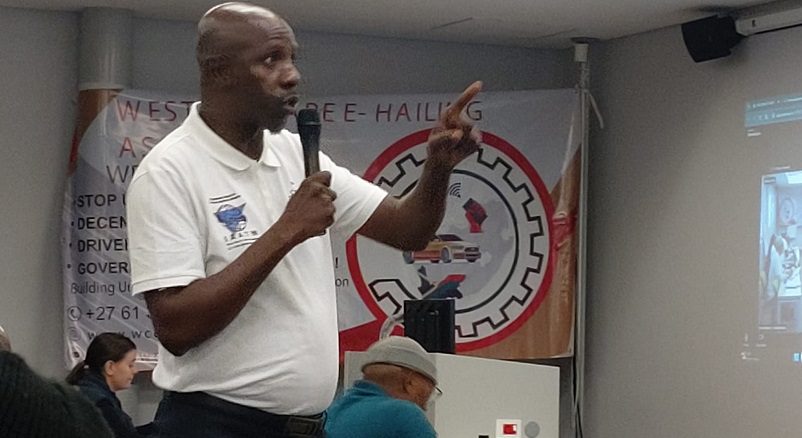
The National E-hailing Federation of South Africa (NEFSA) has sharply criticized ride-hailing company Uber over its hasty and abrupt shutdown of operations in Nigeria, describing the move as “socio-economic abandonment.” The criticism was set out in a statement issued to Technext and signed by the federation’s General Secretary, Omar Parker.
Notably, the criticism comes from a South African drivers’ federation rather than from the affected markets themselves, underscoring how closely the exits are being watched across the continent’s e-hailing sector.
The statement also drew attention to Uber’s simultaneous withdrawal from Uganda, which NEFSA characterized as a coordinated abandonment of both East and West Africa. According to the federation, the abrupt and unilateral decision to leave the two markets will devastate the livelihoods of thousands of families.
“The socio-economic impact on workers will be significantly grave, especially for the many thousands who have indebted themselves through high vehicle financing and exorbitant vehicle lease agreements to meet platform requirements. Workers are left with debt, but without income. With deactivated apps, but with their data still held captive,” NEFSA said.
The union added that the exits violate and abuse the fundamental rights at work of app-based workers as defined by the International Labour Organisation (ILO), the United Nations agency that sets international labour standards.
An Impunity That Has Become Practice Across Africa
NEFSA argued that Uber’s departures across the continent are not isolated commercial decisions, but rather an impunity that has become practice across Africa. The union noted that over the recent period, the company has also pulled out of Côte d’Ivoire and Tanzania under similar conditions: no worker consultation, no compensation, and no data accountability.
“We must now ask: Who is next in line? South Africa? Kenya? Ghana? When will African governments say enough is enough?” NEFSA said.
The federation asserted that the lack of political will among African governments to clamp down on this apparent impunity and exploitation can only mean one of two things — an unholy alliance between big capital and the political elite, tied by complacency and/or collusion.
“A company that can enter our countries, extract labour and data, push workers into debt, and then vanish overnight – retaining their identities as an asset is operating above the law,” the South African drivers’ union said.
In response, NEFSA is calling on the African Union (AU), ECOWAS, and the East African Community (EAC) to urgently enact a Continental Code on Responsible Platform Exit, which would guarantee that there are no further exits without worker consultation, debt relief, and data deletion.
The union is also urging the Nigerian and Ugandan governments to enforce immediate data deletion and to compensate indebted workers. Finally, it is calling on its own government in South Africa to ensure that the Information Regulator summons all major platforms to submit their exit and data protection plans now, before South African drivers become the next victims.
NEFSA closed its statement by expressing solidarity with Nigerian drivers and their union, the Amalgamated Union of App-based Transporters of Nigeria (AUATON), saying that Uber’s exit must not translate into the exploitation of African workers and their data.
Attention now turns to whether any of the institutions addressed — from the AU and ECOWAS to the EAC, the Nigerian and Ugandan governments, and South Africa’s Information Regulator — act on the federation’s demands.
