NCC Warns Manufacturers and Sellers to Verify All SIM-Enabled Devices as Enforcement Tightens
Key Takeaways
- •The NCC requires every SIM-enabled device sold in Nigeria, including smartphones, feature phones, tablets, POS machines, and routers, to receive official Type Approval under the Nigerian Communications Act 2003 and the 2024 Type Approval regulations.
- •Compliance will be enforced through automated verification processes, mandatory IMEI submission before distribution, and cooperation with the Nigeria Customs Service to check import records and duties.
- •Devices that fail to meet the requirements may be blocked from Nigerian mobile networks once the framework is fully implemented, following an earlier October warning that gave unregistered phone holders 30 days before disconnection.
- •The commission says the rules are intended to clear the market of fake, substandard, and cloned devices, which are frequently used for fraudulent and kidnapping activities.
- •The Association of Mobile Phones and Allied Products Traders of Nigeria has asked the NCC to suspend enforcement for 120 days to allow stakeholder consultations, and the commission's response will influence the rollout timeline.
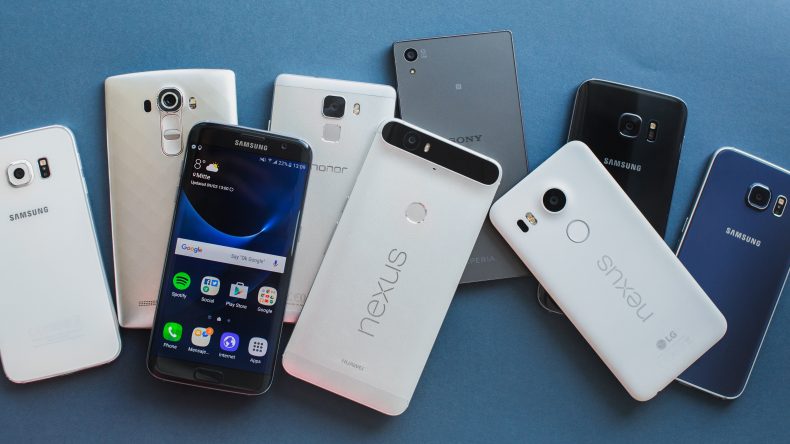
The Nigerian Communications Commission (NCC) has reminded phone manufacturers — also known as Original Equipment Manufacturers (OEMs) — importers, distributors, and local dealers that every SIM-enabled device must be fully Type-Approved or risk being blocked from all Nigerian mobile connections. In practical terms, the directive covers every party that handles a device before it reaches a buyer.
The reminder was contained in a public notice signed by Nnenna Ukoha, the NCC's director of public affairs, on Monday, October 19, and seen by Technext. According to the commission, monitoring will be facilitated through automated, technology-enabled verification processes.
Under the Nigerian Communications Act 2003, the Type Approval Regulations 2024, and the Type Approval Business Rules 2024, every model of smartphone, feature phone, tablet, or router sold in Nigeria must receive official NCC Type Approval before reaching store shelves. The framework rests on legislation dating back to 2003, updated by the 2024 rules that formalize the current compliance process.
"The automated Type Approval Compliance process will strengthen the Commission's oversight of devices entering the Nigerian market and improve its ability to identify potential irregularities in their importation and distribution," part of the statement reads.
The notice follows an earlier warning issued in early October, when the commission informed holders of unregistered phone types that their unapproved smartphones would be disconnected from local cellular networks within 30 days. That step marked a major development in the push to ensure that all SIM-enabled devices are registered and verified.
In the public notice, the NCC stated that all parties involved in the manufacture, importation, supply, and sale of SIM-enabled devices must ensure that phones, tablets, POS machines, and routers have obtained the required Type Approval before distribution or sale.
"This requirement is as outlined in Section 132 of the Nigerian Communications Act 2003 and Regulation 4 in the Type Approval Regulations 2024," it added.
Device manufacturers, importers, and suppliers must also ensure that the International Mobile Equipment Identity (IMEI) information of their devices is submitted to the appropriate authorities for verification before sale and distribution. The IMEI the unique identifier networks use to recognize individual devices, which is why its submission sits at the center of the verification process.
Acknowledging existing stock, the commission said distributors, dealers, and retailers should confirm that devices already in their inventories meet the applicable Type Approval and device verification requirements, and should work with their suppliers to resolve any outstanding compliance issues.
To further strengthen the importation of quality devices, the NCC has collaborated with the Nigeria Customs Service to ensure that import records comply with the new guidelines and applicable duties. By tying enforcement to import records, the commission is extending its checks to the point where devices first enter the country. The commission also said it will monitor fair competition by ensuring that businesses which meet their obligations are not disadvantaged by those which do not.
"Upon full implementation, devices that fail to meet the applicable requirements may be restricted from accessing Nigerian mobile telecommunications networks, in accordance with the approved enforcement framework," it warned.
The commission noted that manufacturers, distributors, and sellers who are not fully familiar with Type Approval compliance should seek guidance promptly through its approved onboarding and support channels.
The tightened regime comes as the NCC moves to ensure that all SIM-enabled devices imported, sold, and used in Nigeria meet applicable technical and regulatory standards. For consumers, the practical effect is that a device purchased without Type Approval could lose access to Nigerian cellular networks once the framework is fully implemented. However, Nigerian phone traders are pushing back, seeking a suspension of the enforcement.
Through the Association of Mobile Phones and Allied Products Traders of Nigeria (AMPAT), the traders have asked the commission to suspend the new Type Approval compliance regime for 120 days to allow consultations with stakeholders in the industry. They also argued that the NCC must ensure transparency in implementing the policy, and pointed out that traders must be consulted before new regulatory measures affecting their businesses are enforced. The commission's response to the 120-day request will help determine how and when the regime moves to full implementation.
According to the commission, the aim of the new regulations is to clear the market of fake, substandard, and cloned devices, which are mostly used for fraudulent and kidnapping activities.

