NCC begins enforcing registration of unregistered SIM-enabled devices in Nigeria
Key Takeaways
- •The NCC is partnering with Customs, manufacturers, importers and market groups to authenticate new and existing SIM-enabled devices.
- •The planned CEIR will allow stolen devices to be blacklisted across Nigerian mobile networks, even after a SIM card is changed.
- •Unregistered devices may be blocked from MTN, Airtel, Globacom and T2mobile networks.
- •The registry will record IMEI-based verification information and will not provide access to users’ calls, messages or personal data.
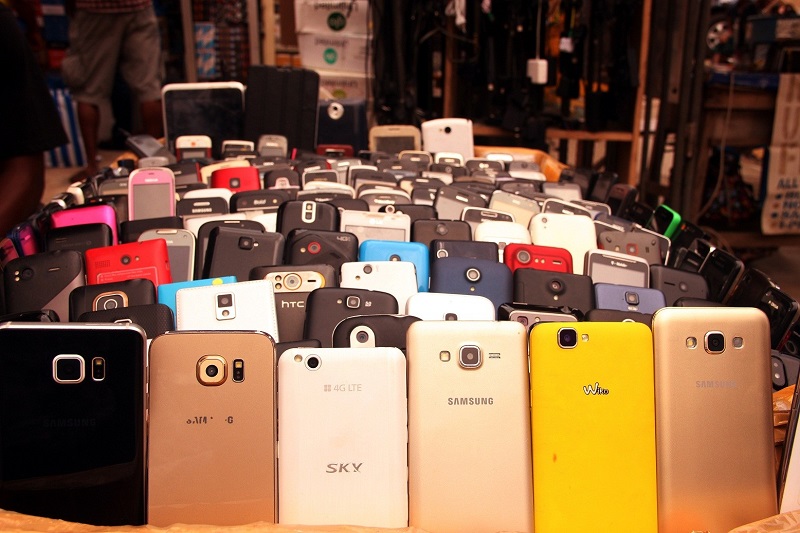
The Nigerian Communications Commission (NCC) has begun strengthening its monitoring and enforcement of Type Approval requirements for SIM-enabled devices in Nigeria through a technology-backed verification initiative.
In a statement signed by Nnenna Ukoha, Director of Public Affairs at the NCC, the commission said the move forms part of its mandate to ensure that communications devices imported into, sold in, and used in Nigeria comply with applicable technical and regulatory standards. The NCC’s official website is available at ncc.gov.ng.
The policy is intended to remove fake, substandard, and illegally smuggled phones from the market. The commission said the verification process would also help eliminate untraceable devices, particularly those used in fraudulent activities.
Under Section 132(2) of the Nigerian Communications Act 2003, licensed service and facilities providers, equipment manufacturers, and suppliers must obtain Type Approval from the commission before communications equipment can be sold or used in Nigeria. The NCC said it is strengthening enforcement of this requirement to curb the circulation of counterfeit and substandard devices.
The commission said the Device Management System (DMS) will provide the technology platform for the automated compliance framework and improve oversight of Nigeria’s device ecosystem. The process is also intended to improve compliance with regulatory standards, enhance network performance, identify non-compliant devices, and strengthen consumer confidence in devices sold and used in the country.
As part of the initiative, the NCC plans to track the unique International Mobile Equipment Identity (IMEI) numbers of every SIM-enabled device imported into or sold in Nigeria. The devices covered include phones, tablets, point-of-sale (POS) machines, and routers. To support this process, the commission plans to deploy an automated Central Equipment Identity Register (CEIR) system in which each device’s IMEI will be recorded in a central database.
The system will allow phones reported stolen to be permanently blocked across Nigerian mobile networks. Once a stolen device is reported, its IMEI will be blacklisted through the CEIR, preventing it from operating on any Nigerian mobile network even if the SIM card is replaced. The NCC said the enforcement would also make it more difficult for criminals and scammers to use illegal or unverified devices to conduct fraud anonymously.
The commission has directed all importers, manufacturers, and sellers to register SIM-enabled devices before they are sold. Unregistered devices will be barred from connecting to the MTN, Airtel, Globacom, or T2mobile (9mobile) networks.
The NCC clarified that the digital registry tracks only device identity numbers, or IMEIs. It said the system does not give the government or the commission access to users’ messages, phone calls, or personal data, and that the technology provides access only to verification information following proper registration.
The first phase of the automated Type Approval compliance framework has commenced. According to the NCC, this phase includes partnerships with the Nigeria Customs Service, original equipment manufacturers (OEMs), importers, and relevant market associations. It also involves onboarding existing devices held in stock and ensuring that devices imported into Nigeria are properly registered and authenticated.
The commission said these measures will allow it to identify non-compliant and illegally imported devices before they are sold nationwide.
Edoyemi Ogoh, the NCC’s Director of Technical Standards and Network Integrity, said the initiative would strengthen the commission’s ability to curb the use of substandard devices.
“By establishing a central registry of the International Mobile Equipment Identity (IMEI) numbers of devices in Nigeria, the Commission will be better positioned to ensure effective and efficient compliance with its Type Approval requirements and to ensure that devices imported into, sold and used in Nigeria meet the applicable standards,” Ogoh said.
“With the deployment of this system, all SIM-enabled communications devices brought into the country must be registered before they are sold. Devices that are not duly registered will not be permitted to operate on Nigerian networks,” he said.
Oghor reiterated that the technology does not empower the commission to track personal information, but only to provide access to verification records upon proper registration.
Source: TechNext24
