NBA Joins MLB and NHL in CFTC Prediction Markets Agreements as NFL Objects
Key Takeaways
- •The NBA signed an information-sharing agreement with the CFTC and partnered with prediction market platforms Kalshi and Polymarket, following similar moves by MLB and the NHL.
- •The NFL declined to make a comparable arrangement and urged the Supreme Court to take up the jurisdictional dispute, arguing CFTC oversight is lax compared with state gaming regulation.
- •Three federal court rulings have split on whether sports event contracts fall under federal derivatives oversight or state gambling authority, with two favoring the states' position.
- •Under the Kalshi partnership, the NBA and the exchange will share integrity data, report suspicious trading, cooperate on investigations, and bar league and team personnel from trading NBA event contracts.
- •CFTC Chairman Mike Selig described the NBA's decision as a responsible step toward protecting sports integrity and market participants from insider trading and fraud.
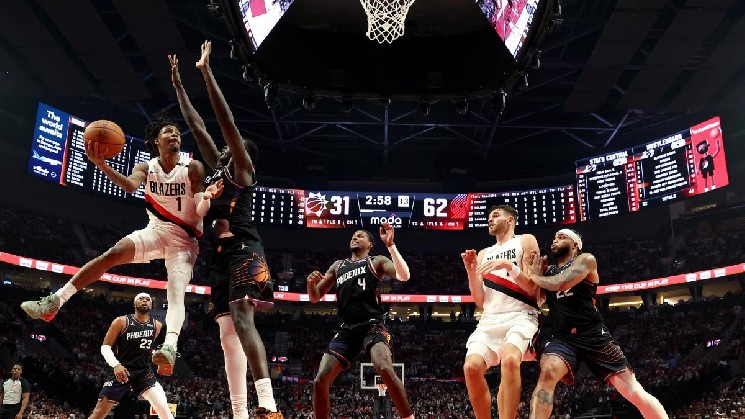
The National Basketball Association has secured a prediction markets agreement with the U.S. Commodity Futures Trading Commission (CFTC) while also striking partnerships with leading platforms Kalshi and Polymarket, formally linking professional basketball to the fast-growing online event-contract betting movement. The National Football League, by contrast, has declined to make a comparable arrangement, leaving the major U.S. professional leagues split between joining the federally regulated event-contract market and standing apart from it.
The NBA follows Major League Baseball and the National Hockey League, both of which previously established similar agreements with the U.S. derivatives regulator.
The deals arrive as prediction markets face a nationwide legal battle with several state governments that contend such betting belongs more appropriately under their gambling laws. At the center of that fight is a jurisdictional question: whether sports event contracts traded on CFTC-supervised venues fall under federal derivatives oversight or under state gambling authority.
Three major federal court decisions have landed on both sides of the issue, with two favoring the states' argument. The U.S. Supreme Court has been asked to step in and resolve the dispute, including by the NFL, which sided with the states in a filing with the high court. Whether the justices agree to hear the case remains the unresolved question hanging over the industry.
The NFL argued that the CFTC's federal oversight has been lax and understaffed, and it said the growing industry's platforms "are not subject to the same rigorous regulatory constructs and oversight provided by state gaming authorities." That position puts the league in direct opposition to the regulator its NBA, MLB and NHL counterparts are now working with through information-sharing pacts.
Mike Selig, the CFTC chairman who has aggressively sought to bolster the industry on several paths — including legal fights with states, new regulations and these information agreements — called the NBA's decision "a responsible step toward protecting sports integrity and market participants from abuses in prediction markets like insider trading and fraud."
In a Monday posting on its website, Kalshi said the exchange and the NBA will "share integrity data, report suspicious trading, and cooperate on investigations." The company added that the arrangement "includes restrictions on permissible markets and explicit prohibitions on league and team personnel trading NBA event contracts, reinforcing our rules against insider trading and manipulation." Those terms speak directly to the insider-trading and fraud concerns Selig cited.
Source: CryptoNewsNet via CoinDesk

