Trump Biographer Michael Wolff Reveals the Unusual Privilege Natalie Harp Was Granted at His Golf Club
Key Takeaways
- •Michael Wolff said Natalie Harp received unusual access to the buffet at Trump’s Palm Beach golf club during the 2024 campaign.
- •Wolff said other campaign staff were not allowed into the buffet, making Harp’s access stand out within the operation.
- •He said Harp often attended the buffet on Sundays with her mother, and staff questioned whether she should be permitted there.
- •Wolff said Trump staff were worried Harp was becoming more central to what Trump knew and believed.
- •He linked those concerns to letters Harp left for Trump and her role in printing flattering material for him.
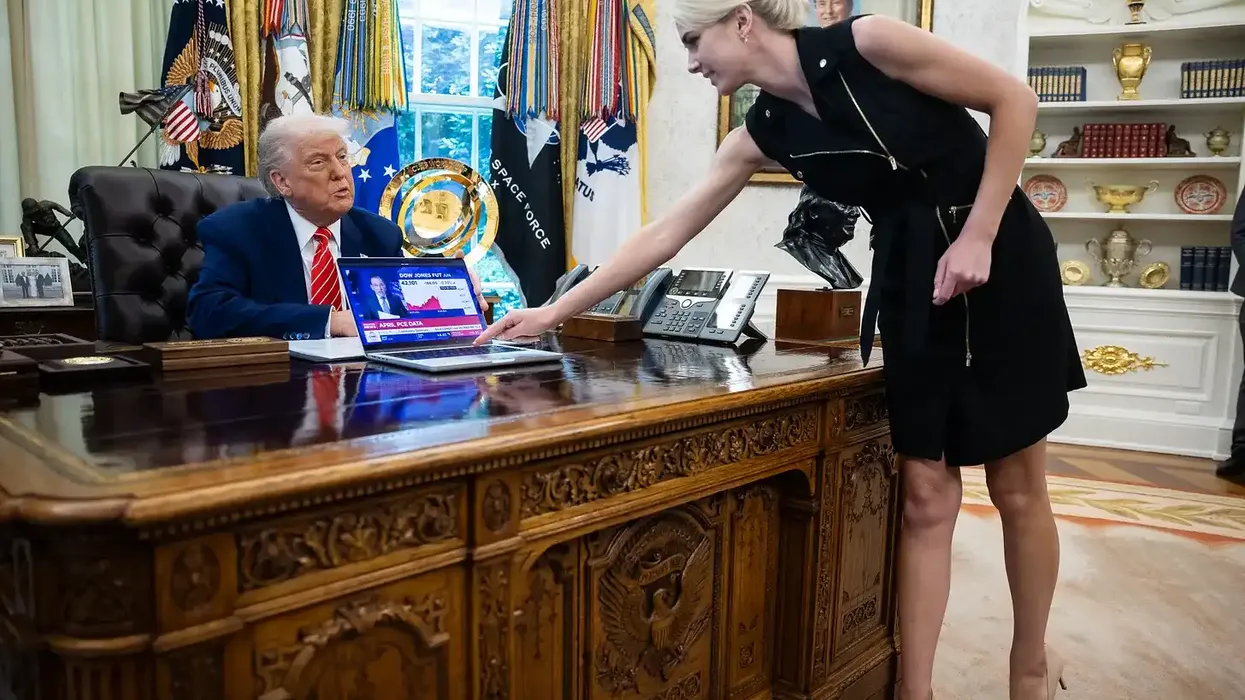
President Donald Trump's young aide Natalie Harp first entered his orbit during his years away from the White House, but according to his one-time biographer, a privilege she was granted during the 2024 campaign became a "major moment" that caused a stir among other staffers.
Harp, 35, is Trump's close personal assistant, known by some in his administration as the "human printer" for her habit of printing out flattering stories and posts for him to read and tout to others. Her presence in his inner circle has also raised numerous alarms, as reports have revealed the extent of her seeming "obsession" with the president as well as his increasing reliance on her as what some have called a "human binkie."
Michael Wolff, a longtime reporter and author best known for his coverage of Trump's political career, including a series of books about his chaotic first term, revealed new details about Harp's standing within Trump's inner circle in the latest episode of his Daily Beast podcast, "Inside Trump's Head". He singled out a particular perk that few others in Trump's orbit received: "unfettered access to the exclusive buffet at Trump's golf club in Palm Beach, Florida."
"The staffers... like, I mean, they get teary-eyed, their eyes roll back, because they're actually not allowed to go to the buffet," Wolff explained. "...They talk about it and they say, a lobster, you get a full lobster, and can go back for a second if you're allowed into the buffet."
He continued: "Natalie: always allowed into the buffet. Not just Natalie, but Natalie with her mother, every Sunday showing up for the buffet. Among the staff there was like, 'Is she allowed to do that? Should she be doing that?' And then the people at the golf club serving this: 'Should we? ...She says that the president says she can be here, but can she be here?' That became... a major moment within the campaign: Natalie at the buffet."
As Wolff recounts it, the episode mattered less for the food itself than for what it signaled about hierarchy: at Trump's Palm Beach club, where campaign staff were, by his account, barred from the buffet, being welcomed in every Sunday — with her mother in tow — amounted to a visible marker of standing that colleagues and club employees alike openly questioned.
Wolff previously shared some of the letters Harp has become known to leave for Trump in his personal areas, which raised major alarms among his staff over the degree to which she appears to profess her dedication to him, among other things. These letters, he claimed, were passed on to him due to this growing concern among staffers.
"They were worried that this person, Natalie Harp, who was then 30 years old... no background whatsoever, had come to... take more and more and more of... candidate Trump's attention, and become more and more central to what he knew, what he believed, the opinions that he had at any given moment," Wolff explained.
By Wolff's telling, the buffet perk and the letters trace back to the same worry among staff: that the aide responsible for curating the flattering material Trump reads was becoming a central conduit for what he knew and believed.
Source: Alternet

