Chip stock rout pushes Nasdaq into correction territory
Key Takeaways
- •The Nasdaq fell nearly 2% at the US open, taking it into technical correction territory after a sharp run-up this year.
- •South Korea’s Kospi dropped more than 10% in a single session, prompting exchange officials to halt trading for the third time in recent weeks.
- •Semiconductor companies were the main source of losses, with SK Hynix, Samsung, Sandisk, and Western Digital among the names affected.
- •Investor nerves increased after CMXT’s Shanghai debut surged 466%, adding to concern about the outlook for other chipmakers.
- •Leveraged funds tied to chip stocks amplified the sell-off as falling prices increased losses for investors in those products.
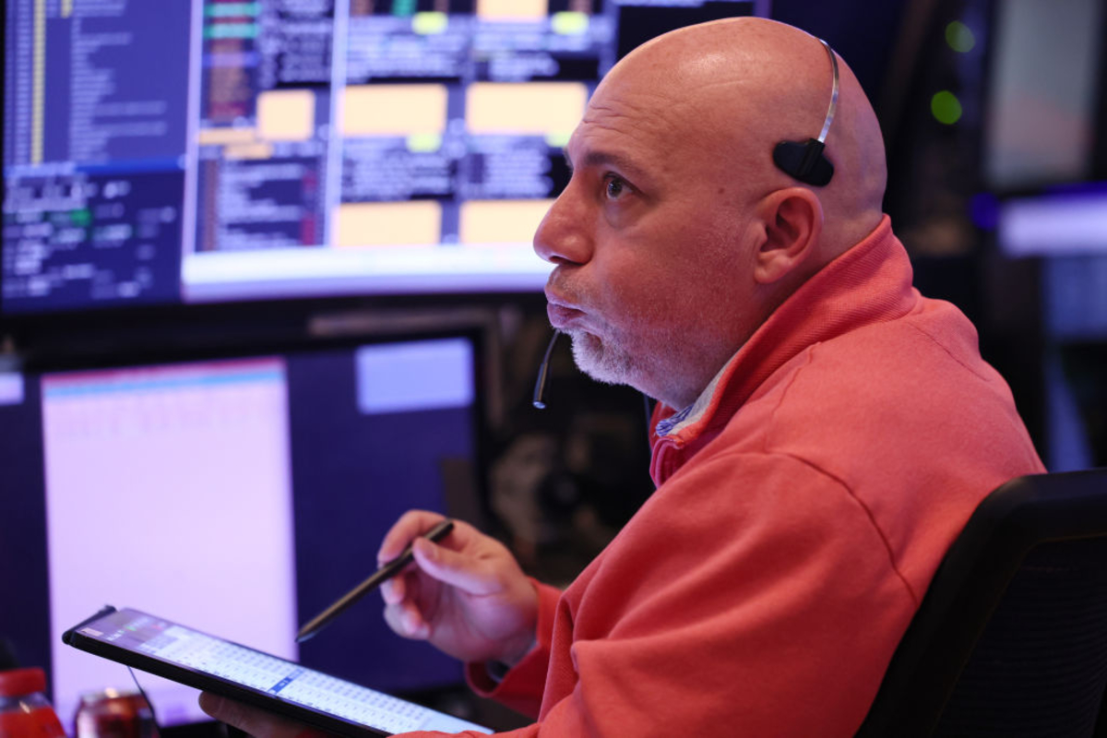
A global rout in chip stocks pushed the Nasdaq into correction territory on Tuesday, just hours after South Korea’s exchange was forced to halt trading, marking a sharp reversal for one of the year’s strongest markets.
New York’s tech-heavy index fell nearly 2 per cent at the US market open, bringing it close to the 10 per cent decline that defines a technical correction for a stock exchange. The move matters because the Nasdaq has been one of the main beneficiaries of the AI trade this year, so weakness there often ripples through the broader market sentiment around technology and capital spending.
Losses in both the Nasdaq and South Korea’s Kospi were concentrated in semiconductor companies, which came under heavy selling as investors questioned the scale and speed of artificial intelligence firms’ large investment plans.
The Kospi, which has become a barometer for investor sentiment toward chip stocks, lost more than 10 per cent of its total market capitalisation in a single session. The sell-off forced exchange officials to halt trading on the index for the third time in a matter of weeks, with chipmakers such as SK Hynix and Samsung among the hardest hit. The concentration of losses in a handful of chip names also highlights how quickly a crowded theme can unwind when sentiment turns.
Tuesday’s decline followed a similarly weak session on Monday, underscoring growing unease about the elevated valuations attached to companies supplying the so-called “picks and shovels” of the AI boom.
Jitters over chip stocks have been building for months
Investor anxiety was intensified by Monday’s blockbuster Shanghai initial public offering of CMXT, a Chinese chipmaker that surged 466 per cent on its debut and raised concerns about the outlook for other major semiconductor players.
“Nerves about the huge amount of cash being splashed have been building for months,” said Danni Hewson, head of financial analysis at AJ Bell. “Chip stocks have once again led declines as the market flexes, some companies like Amazon are upping their own chip capabilities and China’s CXMT stock market debut has cemented fears about a lost market for US companies constrained by trading restrictions.”
Chipmakers and other AI-adjacent firms have helped drive the Nasdaq to a series of record highs this year, as investors sought exposure to companies positioned to benefit from the vast capital spending plans of AI hyperscalers. Even after falling more than 7 per cent since June, the index remains up more than 8 per cent this year, with semiconductor stocks now leading the declines.
Shares in memory company Sandisk fell more than 13 per cent at the opening on Tuesday, after dropping more than 11 per cent in the previous session. The company has now lost more than half its value this month, while Western Digital is down 30 per cent over the same period.
The enthusiasm that surrounded chip-related stocks also fuelled a rapid expansion in leveraged tracker funds tied to the sector, which use debt to magnify gains during a rally. Those products can also deepen losses when sentiment turns, intensifying the current sell-off and leaving investors in those vehicles more exposed to abrupt swings.
“The euphoria of May and June is long gone, but the selloff is still mostly limited to these tech sectors,” said Chris Beauchamp, chief market analyst at IG. Beauchamp added that higher borrowing costs for tech giants suggest “this has the potential to turn into something quite nasty”.
The FTSE 100 closed 0.8 per cent higher, after lagging rival indices for much of the year because of its defensive make-up and lack of specialist AI constituents. By comparison, Korea’s Kospi has risen nearly 40 per cent so far this year, despite falling nearly one-third from the all-time high it reached in early June.

