MySpace Owners Announce Plans for Comeback, Positioning as Alternative to Algorithm-Driven Social Media
Key Takeaways
- •MySpace was launched in 2003 and became the most visited website in the United States by 2006, with more than 100 million registered accounts at its peak.
- •News Corporation bought MySpace in 2005 for $580 million and sold it in 2011 for $35 million after the platform lost users to Facebook.
- •Chris and Tim Vanderhook, who own MySpace through Specific Media, are actively working on a relaunch.
- •The planned relaunch is aimed at users frustrated by algorithmic, engagement-driven social feeds and is intended to offer greater control over content and connections.
- •Any comeback will face a difficult competitive environment because social platforms depend on network effects and established user bases.
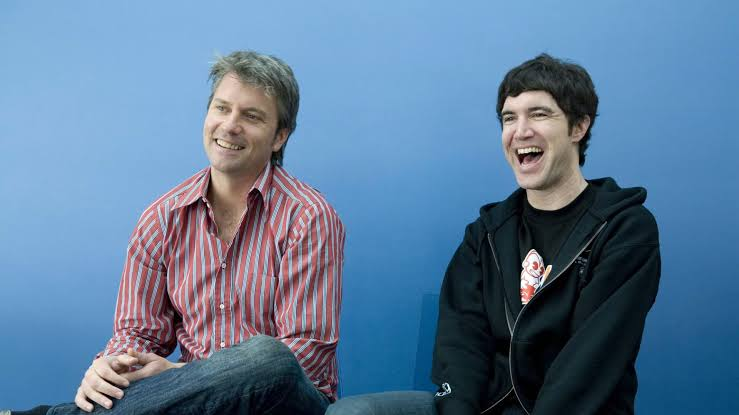
MySpace is preparing for yet another comeback. The platform's current owners, brothers Chris and Tim Vanderhook, have confirmed they are actively working to relaunch the once-dominant social network, seeking to position it as an alternative to the algorithm-heavy feeds that now define platforms such as Facebook, Instagram, and TikTok.
The Vanderhooks contend that the modern social media landscape has strayed from genuine human connection, with platforms prioritizing engagement metrics over authentic interaction. Their vision for a relaunched MySpace centers on giving users greater control over what they see and whom they connect with, rather than surrendering those decisions to an algorithm.
The announcement comes amid mounting frustration with major social platforms. Users have increasingly voiced complaints about algorithmic feeds that surface content from strangers over updates from friends, the mental-health consequences of engagement-driven content, and a pervasive sense that social media has become more performative than genuinely social. Other ventures have attempted to tap the same discontent — BeReal, which encouraged users to share unfiltered daily photos, surged in popularity in 2022 before engagement steadily declined, illustrating both the appetite for less performative social experiences and the difficulty of sustaining it. Decentralized platforms such as Mastodon and Bluesky have also drawn users seeking non-algorithmic alternatives, particularly following policy changes at X, formerly Twitter. The Vanderhooks believe these dynamics have opened a market gap that MySpace can fill.
A Brief History of MySpace's Rise and Fall
MySpace was launched in August 2003 by Tom Anderson and Chris DeWolfe in Los Angeles. It experienced extraordinary growth, surpassing Google to become the most visited website in the United States by 2006. At its peak, the platform boasted more than 100 million registered accounts and stood as the defining social network of the mid-2000s.
Users could personalize their profiles with custom HTML, set a song to autoplay on each visit, and rank their closest friends in a numbered list — a feature that generated considerable social anxiety at the time.
News Corporation, the media conglomerate controlled by Rupert Murdoch, acquired MySpace in 2005 for $580 million, a transaction widely regarded as a strategic triumph at the time. It would prove to be one of the costliest miscalculations in digital media history.
The decline was rapid and decisive. Facebook, which opened to the general public in 2006, offered a cleaner interface, a more intuitive design, and a real-name culture that users found more trustworthy. MySpace, by contrast, had become cluttered, slow, and increasingly plagued by spam. Millions of users migrated away, and the platform never regained its footing.
News Corporation sold MySpace in 2011 for just $35 million — a loss exceeding $500 million on its original investment. A succession of owners attempted to reinvent the platform in the years that followed. Pop star Justin Timberlake notably joined the 2011 acquisition group. MySpace briefly attempted to rebrand itself as a music-discovery hub, but the pivot failed to gain traction. The site gradually faded into obscurity, retaining only a small but dedicated community of musicians and fans.
A New Bet on Changing Times
The Vanderhooks, who operate the digital advertising firm Specific Media, acquired MySpace as part of the 2011 deal and have retained ownership since. They are now wagering that the very conditions that doomed MySpace — Facebook's dominance and a superior product — have created a fresh opening two decades later. That same dominant platform now contends with growing user dissatisfaction, heightened regulatory scrutiny — including an ongoing antitrust case from the U.S. Federal Trade Commission and new obligations under the European Union's Digital Services Act — and intense competition from short-form video services.
Whether a relaunched MySpace can attract the scale necessary to be relevant in 2026 remains genuinely uncertain. The social media landscape it would enter is far more crowded and competitive than the one it departed. The challenge is compounded by network effects: social platforms derive their value from having a critical mass of a user's friends and contacts active on the same service, which historically has made it difficult for new entrants — or returning ones — to compete once people are established elsewhere. Still, the frustration motivating this effort is real, and history suggests that users will migrate when a compelling alternative emerges.

