Astronomer Dismantles Musk's 'Sci-Fi Silliness' to Own Your View of the Sky
Key Takeaways
- •SpaceX has grown its Starlink constellation from its first launches in 2019 into the largest fleet of active satellites ever operated, with filings envisioning up to roughly 42,000 spacecraft.
- •Astronomers report that Starlink satellites leave bright streaks in long-exposure telescope images and warn of radio-frequency interference and a cumulative brightening of the night sky.
- •The International Astronomical Union joined with leading observatories in 2021 to create a dedicated center focused on protecting dark and quiet skies from satellite interference.
- •SpaceX has tested mitigation measures including the DarkSat darker coating and VisorSat sun visors, while Elon Musk has publicly downplayed the impact on astronomy.
- •Rival constellations such as Amazon's Project Kuiper and OneWeb compound the cumulative effect, and regulators' decisions on SpaceX's pending requests for tens of thousands more satellites are the next development to watch.
A report published by Alternet spotlights an astronomer's pointed critique of Elon Musk's satellite ambitions, describing the billionaire's plan to blanket orbit with spacecraft as "sci-fi silliness" and framing it as a bid to own humanity's shared view of the sky.
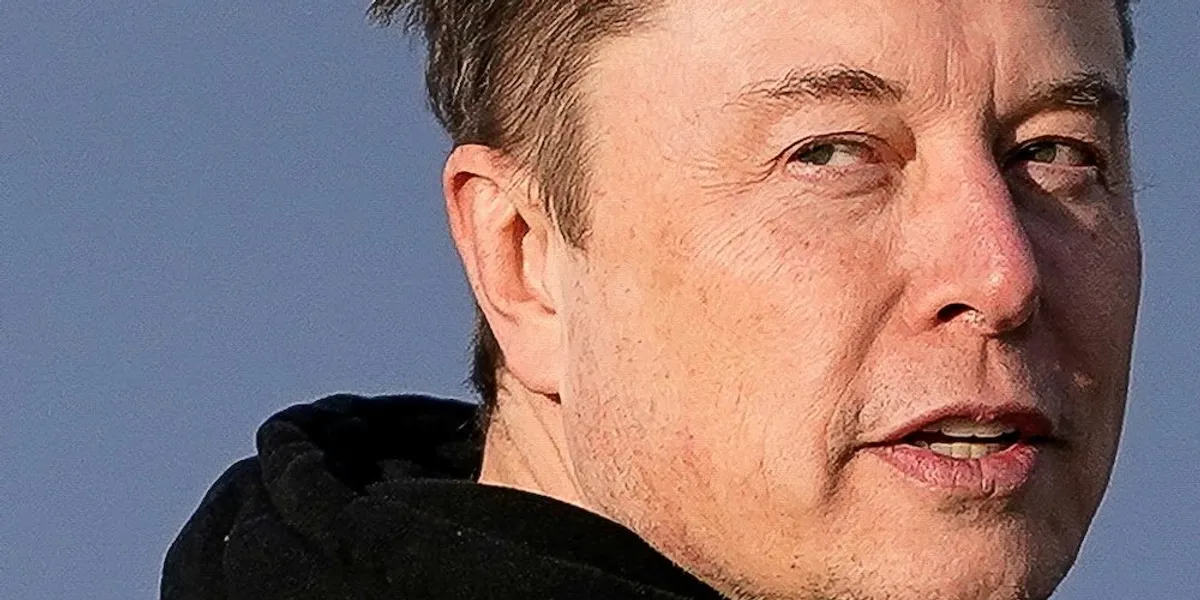
The Alternet piece is illustrated with a photograph of Tesla CEO Elon Musk walking to board Air Force One with President Donald Trump at Morristown Municipal Airport in Morristown, New Jersey.
Musk's satellite constellation in orbit
Musk's aerospace company, SpaceX, began launching satellites for its Starlink broadband network in 2019. The constellation has since grown to thousands of spacecraft — the largest fleet of active satellites ever operated — and SpaceX has sought regulatory approval to deploy tens of thousands more, with filings envisioning a system of up to roughly 42,000 satellites. The service now reaches customers in numerous countries, particularly in rural and remote areas where ground-based internet infrastructure is limited.
Astronomers push back
Professional astronomers raised alarms early in the rollout. Starlink satellites reflect sunlight and are visible to the naked eye shortly after launch, leaving bright streaks across long-exposure telescope images and interfering with observations of asteroids, galaxies and other celestial targets. Researchers have also warned about radio-frequency interference and the cumulative brightening of the night sky. Because the spacecraft are bright enough to see without a telescope, the dispute reaches well beyond research institutions — it touches the same night sky available to every observer on Earth.
The International Astronomical Union and partner organizations have repeatedly cautioned that so-called mega-constellations could change the appearance of the heavens for observers worldwide. In 2021, the IAU joined with leading observatories to establish a dedicated center focused on protecting dark and quiet skies from satellite interference.
SpaceX has taken steps to address the issue, testing a darker coating on a satellite dubbed DarkSat and fitting later spacecraft with sun visors, known as VisorSat. Musk has publicly downplayed the concerns, asserting that Starlink would not cause significant harm to astronomy, while the company says it continues to collaborate with researchers on mitigation measures.
A crowded sky — and an open question
Starlink is not alone in orbit. Amazon's Project Kuiper and the London-based OneWeb are among the ventures building rival constellations, steadily increasing the number of artificial objects overhead. The pressures astronomers describe, in other words, do not hinge on SpaceX alone — each new constellation compounds the same cumulative effect.
The debate, as framed by Alternet, ultimately turns on a question regulators have struggled to settle: orbits and radio spectrum are coordinated internationally, but the view of the night sky itself has no single owner. Astronomers maintain that it is a commons belonging to everyone, and they warn that companies deploying thousands of satellites are effectively claiming it without public consent. How regulators weigh SpaceX's pending requests to add tens of thousands more satellites is the next development to watch, since those decisions will determine how many more spacecraft end up in orbit.
This article is based on a report published by Alternet.

