Elon Musk Urges G20 Leaders to Channel More Investment Into Startups
Key Takeaways
- •Elon Musk called on G20 leaders to direct more investment toward startups, saying governments can focus too heavily on supporting established companies.
- •The remarks were reported by Cointelegraph, which attributed them to Musk.
- •The G20's 2025 leaders' declaration described startups and MSMEs as engines of job creation, innovation, and local development, reaffirming entrepreneurship as a central policy component.
- •Access to finance for startups remains uneven, with venture investment concentrated in a small number of markets and sectors such as technology and biotechnology.
- •Policymakers face the challenge of supporting emerging businesses without creating inefficient subsidies or distorting competition.
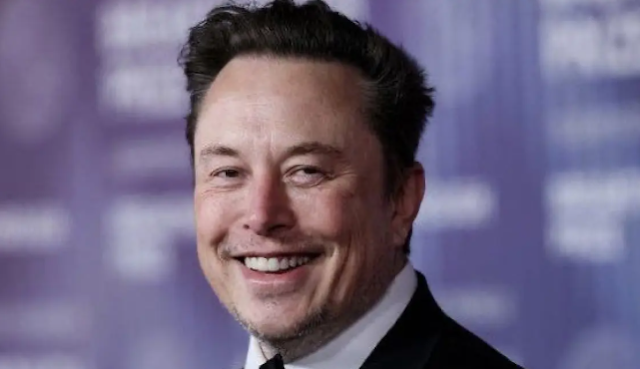
Elon Musk has called on leaders of the Group of 20 major economies to direct more investment toward startups, arguing that governments can place too much emphasis on supporting established companies rather than newer businesses.
The comments were reported by Cointelegraph, which attributed the remarks to Musk. His position highlights a longstanding policy debate over how governments should allocate financial support between mature companies and younger businesses seeking capital to develop new technologies and expand. Musk himself built several of his best-known companies, including SpaceX and Tesla, as ventures that grew from early-stage businesses into major employers, a background that shapes his frequent public commentary on entrepreneurship and innovation policy.
Startups Take a Larger Role in G20 Economic Policy
The issue is increasingly relevant to the G20, whose members account for the large majority of global economic output and include both advanced and emerging economies with sharply different startup ecosystems. Policymakers across the group have identified entrepreneurship, startups and micro, small and medium-sized enterprises (MSMEs) as important contributors to innovation, employment and economic development.
The G20's 2025 leaders' declaration described startups and MSMEs as engines of job creation, innovation and local development, while reaffirming entrepreneurship as a central component of efforts to generate broader economic opportunities. This continues a longer pattern: the G20 has supported initiatives such as the Global Innovation Hub and various MSME financing workstreams in previous presidencies.
G20 policy discussions have also focused on improving access to finance for smaller businesses. OECD research has highlighted the importance of equity, quasi-equity, venture and private-equity financing in helping innovative startups and high-growth smaller companies strengthen their capital structures and secure funding for expansion. Access to finance remains uneven, with venture investment concentrated in a small number of markets and sectors such as technology and biotechnology.
Balancing Government Support and Competition
Musk's argument centers on the allocation of public support. Governments frequently use incentives, financing programs and other measures to sustain strategic industries or established businesses — for example in sectors such as semiconductors, energy and manufacturing — but directing greater resources toward startups can potentially broaden access to capital for companies that have not yet reached significant scale.
The policy challenge lies in determining how to support emerging businesses without creating inefficient subsidies or distorting competition. The OECD and UNCTAD regularly monitor investment measures adopted by G20 economies, reflecting the broader importance of maintaining an investment environment that supports economic activity while addressing national policy priorities.
For technology and other capital-intensive sectors, this balance can be particularly significant because startups often require substantial financing before they generate meaningful revenue or reach commercial scale.
The Next Policy Question
Musk's comments add to the broader discussion over whether public policy should place greater emphasis on expanding the pipeline of new companies rather than primarily protecting or incentivizing existing economic leaders.
For G20 governments, the practical question will be how future entrepreneurship and investment policies translate that emphasis into measurable access to capital for startups while maintaining competitive and sustainable markets. Successive G20 presidencies have made entrepreneurship and MSME support recurring themes, suggesting the debate Musk has joined will continue at future summits.

