MultiChoice Plans New Streaming Platform Months After Showmax Shutdown
Key Takeaways
- •MultiChoice Nigeria is conducting a technology audit to select and launch a new streaming platform, months after shutting down Showmax on April 30 because its annual losses had become unsustainable under parent company CANAL+.
- •DStv Stream is serving as an interim streaming solution while the company works to restore Showmax titles that were not fully migrated and plans a more advanced product with improved content discovery and personalised recommendations.
- •New DStv and GOtv subscription packages take effect on November 5, with four DStv tiers priced at ₦6,000, ₦11,000, ₦21,000, and ₦44,500 per month, and active subscribers will be migrated automatically without additional fees.
- •Customers who prepaid for legacy packages will retain the full value of their subscriptions, and MultiChoice says no further price increases are planned as long as economic conditions remain favourable.
- •MultiChoice intends to broaden international distribution of Nigerian films and television productions by exchanging content libraries across CANAL+ markets, including Nigeria, France, and other African countries.
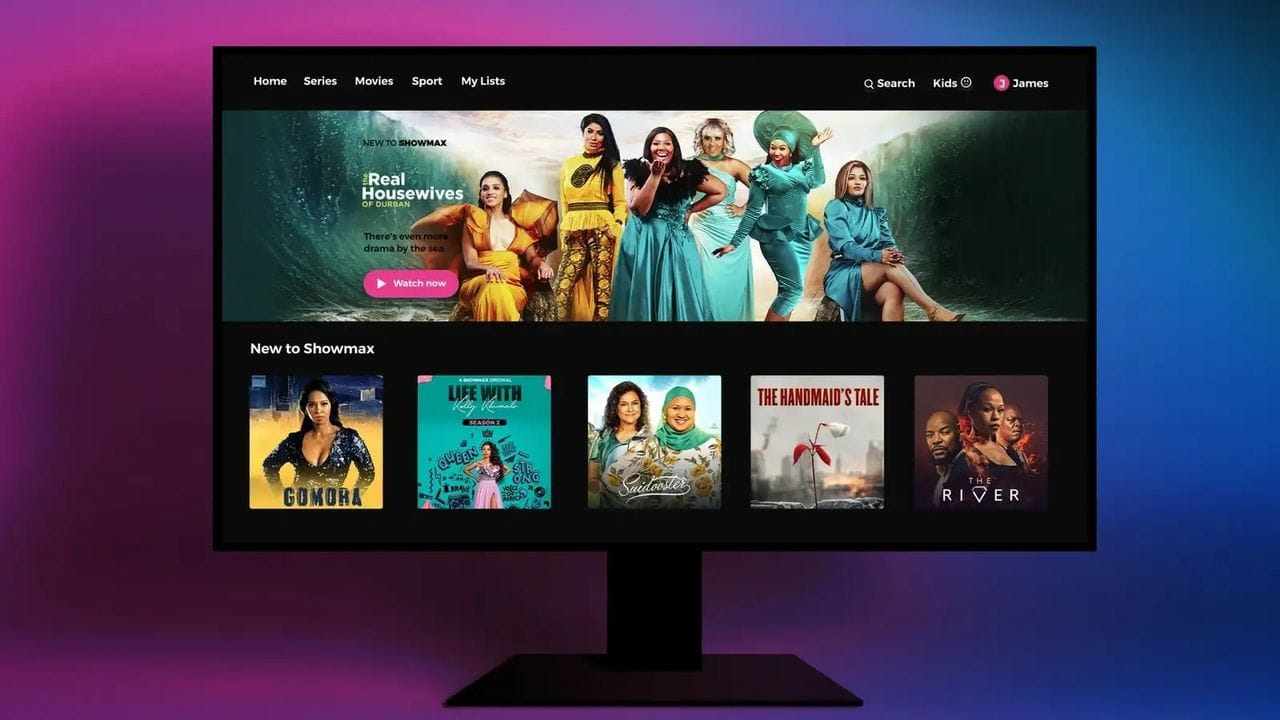
MultiChoice Nigeria is preparing to re-enter the streaming market with a new platform, months after discontinuing Showmax over concerns about its financial sustainability. The company said it is currently evaluating available technologies to determine the best way to return to the streaming space.
The plan was disclosed by MultiChoice Nigeria Chief Executive Officer Kemi Omotosho on Tuesday, October 27, as the company unveiled its new DStv and GOtv subscription packages. According to Omotosho, the company is conducting a technology audit to identify a streaming platform capable of delivering an improved viewing experience while remaining financially sustainable.
“We’re doing now an audit of what is the best streaming platform to launch. Once we complete that audit, we will launch the streaming platform, because we cannot leave that space empty,” she said.
The remark positions streaming as a core part of the company’s pay-television business rather than an optional add-on, even after the substantial losses that ended Showmax’s run.
The announcement comes nearly six months after MultiChoice officially discontinued Showmax on April 30, following a review of its streaming operations under its new parent company, CANAL+. In March, CANAL+ announced that Showmax’s substantial annual losses had become unsustainable, prompting the decision to shut the service down as part of efforts to enforce financial discipline and optimise investments. That shutdown underscored the financial discipline CANAL+ has brought to MultiChoice’s operations — the same criterion now guiding the search for a replacement platform.
MultiChoice subsequently moved several Showmax Originals and other selected titles to DStv Stream, but some subscribers have complained about missing episodes and the absence of programmes that were previously available on Showmax. Omotosho acknowledged that the migration had not been comprehensive, explaining that the company is working to accommodate more titles within its existing streaming service. Restoring those missing titles is one of the near-term developments subscribers are likely to watch as the broader streaming plans take shape.
She also clarified that DStv Stream currently serves as an interim solution while MultiChoice considers a more complete streaming product. The platform allows customers to access live television, sports, movies and other entertainment through internet-connected devices without necessarily owning a decoder, and existing DStv subscribers can also use it as a companion service. Omotosho, however, said the company wants a more advanced streaming experience, including improved content discovery and personalised recommendations.
Alongside its streaming plans, MultiChoice provided further details on how existing DStv and GOtv subscribers will be migrated to its newly introduced packages when they become available on November 5. The November 5 switch-over marks the first concrete milestone in the company’s wider reset, arriving before the new streaming platform has been finalised.
Under the new arrangement, DStv customers will have access to four subscription tiers: Starter priced at ₦6,000 per month, Select at ₦11,000, Sports at ₦21,000 and the highest tier at ₦44,500. The company explained that customers with active subscriptions will automatically be moved to corresponding packages without paying additional fees for the transition. Existing DStv Access subscribers, for instance, will move to Starter, while Compact subscribers will be mapped to Sports, which offers access to more football competitions and entertainment channels.
Omotosho assured customers who have already paid for several months in advance that they will not lose the value of their existing subscriptions.
“What we will say is that you will not get less than what you paid for. So if you pay for three months on the legacy pack, you will get the three months on that pack,” she explained.
On subscription pricing, MultiChoice has indicated that another price increase is not currently in sight, as the newly introduced packages are designed to accommodate customers with different budgets and entertainment preferences. Speaking with Technext, Omotosho said the company is focused on providing more affordable options rather than raising subscription costs, particularly as Nigeria’s current economic conditions appear relatively favourable.
“As long as the economics are good, we will not pass price increase. We would rather give you products for you to choose. That’s what we want to do,” she said.
She noted, however, that future pricing decisions would remain dependent on the economic environment and the company’s operating costs. While MultiChoice hopes to maintain the new rates, any significant changes in economic conditions could prompt a review.
Beyond subscriptions and streaming, MultiChoice also disclosed plans to strengthen the distribution of Nigerian films and television productions across international markets through its integration with CANAL+.
“We are still a Nigerian company, an African company, and we need to invest in that ecosystem. We need to keep our local storytelling alive, and the only way we can do that is to invest,” she said.
According to the chief executive, MultiChoice is exploring ways to exchange existing content libraries across markets where CANAL+ operates, including Nigeria, France and other African countries. The approach would allow the company to introduce productions from different countries to new audiences without relying entirely on fresh commissions, which typically require considerable production time and investment. For Nigerian filmmakers, wider distribution could create opportunities for their productions to reach audiences beyond the country’s traditional entertainment markets.
“For us, we want to see the Nigerian story told on our platform most importantly,” she said.
Omotosho maintained that Nigerian productions would remain central to the company’s content strategy, particularly as it explores new streaming opportunities and expands its international distribution network. In the near term, two developments will signal how the strategy unfolds: the outcome of the streaming technology audit and the rollout of the new DStv and GOtv packages on November 5.

