MTN Nigeria blames lack of public WiFi and low incomes for perception of expensive data
Key Takeaways
- •MTN Nigeria's Chief Corporate Services and Sustainability Officer, Tobechukwu Okigbo, said low consumer incomes and the lack of public WiFi in offices and public spaces lead Nigerians to perceive mobile data as more expensive than it appears in other countries.
- •Nigerian Communications Commission data shows MTN customers filed 52 per cent of the 23,396 official data depletion complaints lodged against Nigerian telcos in the first six months of 2026.
- •MTN's leading share of complaints reflects its control of more than 50 per cent of the Nigerian telecom market, a scale that makes its handling of depletion concerns a reference point for an industry where complaints span all operators.
- •Subscriber frustration has been intensified by recent telecom tariff increases and monthly bundles that are sometimes exhausted within a week, and has led to legal actions and threats of lawsuits over unexplained depletion of large data bundles.
- •MTN convened the 'Data on Trial' inquiry in Abuja to explain its mobile data mechanisms and build trust, but it has not materially changed consumption rates, offering instead guidance on what depletes data and how Nigerians can curb unnecessary use.
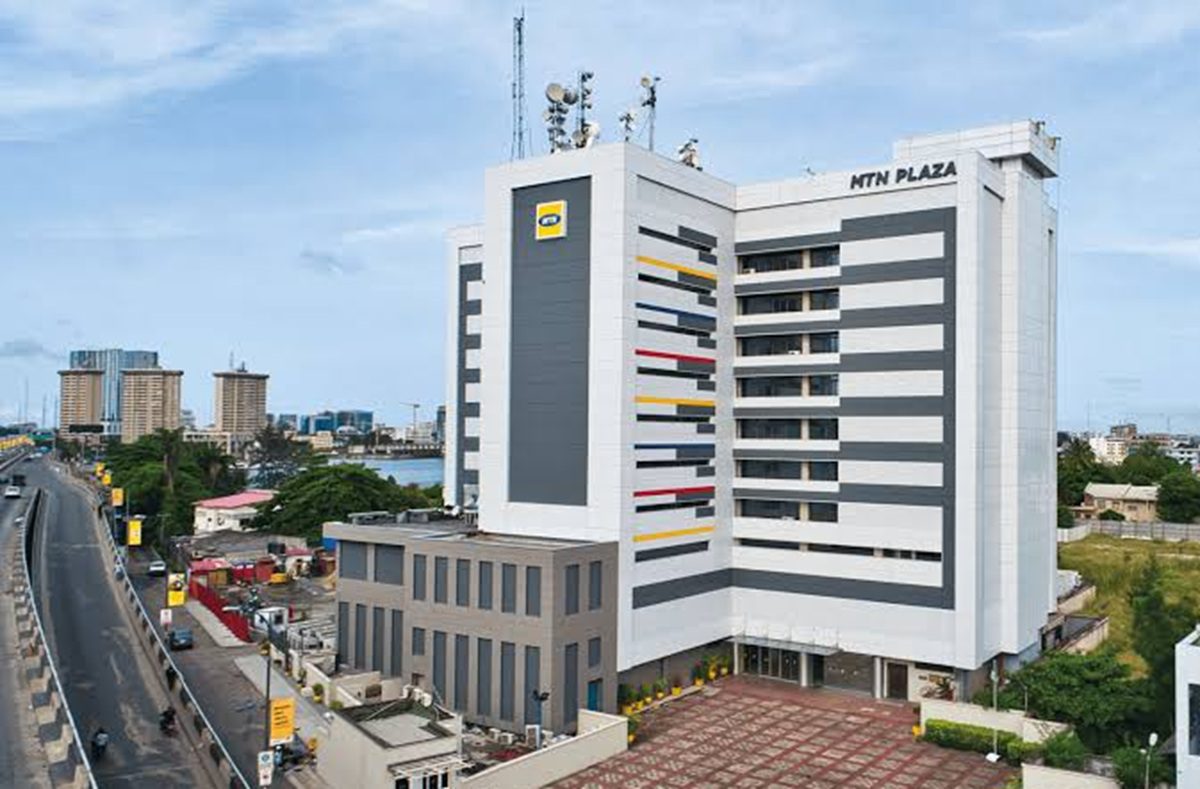
As complaints about rapid data depletion and the rising cost of internet bundles persist, the Chief Corporate Services and Sustainability Officer of MTN Nigeria, Tobechukwu Okigbo, has pointed to the absence of a public WiFi culture — combined with low consumer incomes — as a key reason Nigerians continue to perceive mobile data as expensive.
Speaking at MTN Nigeria's “Data on Trial” engagement in Abuja, Okigbo highlighted the economic and behavioural factors that shape how Nigerians judge the cost of mobile data, noting that affordability must be considered in relation to consumers' incomes and their dependence on mobile connectivity throughout the day.
“Data consumption is a perception issue. Data is considered more expensive when you look at the income of a Nigerian vis-à-vis the amount of money spent on data. Mobile data is also ambulatory in Nigeria, as opposed to other countries abroad, where Wi-Fi exists in offices and public spaces,” Okigbo said.
In a market where mobile networks carry the connectivity load that public WiFi absorbs elsewhere, how quickly a bundle runs out directly shapes a subscriber's access to the internet — and to the services the industry describes as life-critical.
MTN leads data depletion complaints
Okigbo's remarks come as Nigerian subscribers increasingly pressure telecom operators to explain why their internet bundles are exhausted long before expiry. MTN customers appear to be leading the charge: data from the Nigerian Communications Commission (NCC) shows that MTN customers filed 52 per cent of the 23,396 official data depletion complaints lodged against Nigerian telcos in the first six months of 2026.
That share is unsurprising given that MTN controls more than 50 per cent of the market — a scale that makes its handling of depletion concerns a reference point for an industry where complaints extend across operators. However, its customers are not only reporting rapidly diminishing data balances; there have also been legal actions and threats of lawsuits over what subscribers describe as unexplained depletion of large data bundles.
The growing demand for explanation is driven by several factors, most notably the recent rise in telecom tariffs, which has increased the cost of mobile data. Frustration is another: subscribers realise that expensive bundles meant to last a month are sometimes exhausted within a week.
The volume of complaints pushed the company to convene a public inquiry examining its mobile data mechanisms and how they operate on its end. Called “Data on Trial,” the inquiry aims to address recurring consumer concerns about data depletion and provide greater clarity on the technology and processes that determine mobile data consumption.
According to MTN Nigeria Chief Executive Officer Dr Karl Toriola, the initiative was designed to build trust by improving public understanding of the telecommunications industry and the services it provides.
“Data on Trial is about building trust, it is about building knowledge and it is about building transparency about what goes on in our industry and the life-critical services we provide to consumers,” Toriola said.
While the inquiry has not materially changed data consumption rates, it has offered some perspective on what depletes data and how Nigerians could curtail unnecessary consumption. Whether that transparency eases the grievances behind the complaints may become clearer in future NCC complaint figures, which offer subscribers and operators a public measure of whether engagements like “Data on Trial” are having an effect.

