MSC Reaches 500 Secondhand Ship Purchases in Six-Year Buying Blitz
Key Takeaways
- •MSC’s 500th secondhand containership acquisition was marked by the purchases of the Calandra and Fitz Roy.
- •The carrier has grown from about 3.8 million teu in August 2020 to nearly 7.4 million teu today.
- •Alphaliner said MSC’s acquisition campaign is unique in container shipping history and unlikely to be matched.
- •MSC now controls more than 21% of global liner capacity and has overtaken Maersk by a wide margin.
- •After the 2M partnership ended in February 2025, MSC launched a standalone network while keeping some slot-exchange deals.
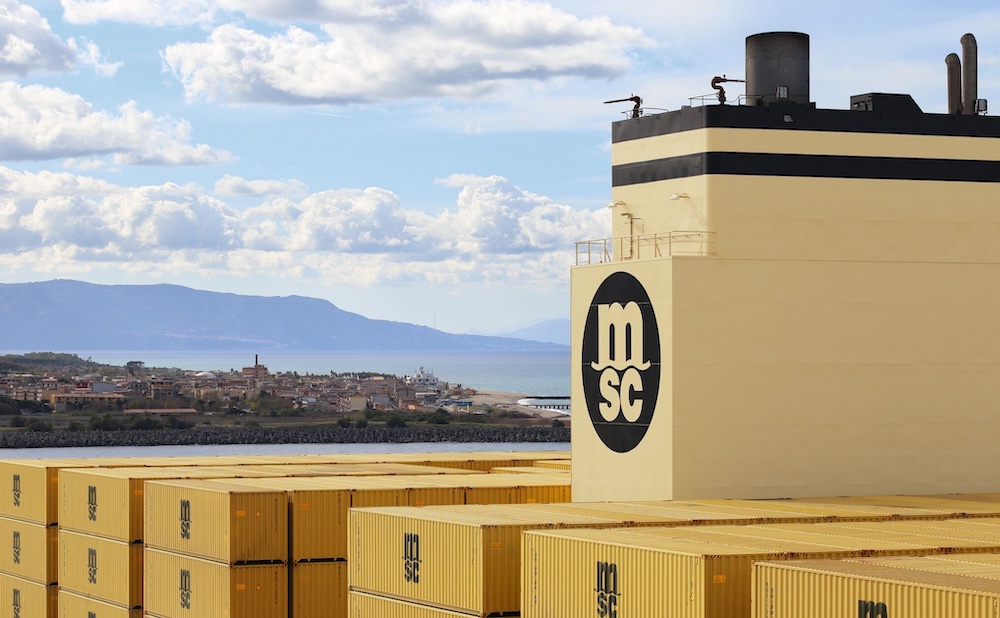
Mediterranean Shipping Co (MSC) has passed another extraordinary fleet milestone, with its tally of secondhand containership acquisitions since August 2020 now standing at 500 ships, according to Alphaliner.
The landmark was reached with the Swiss carrier's purchase of the 2,796 teu Calandra for a reported $27m and the 1,732 teu Fitz Roy for more than $26m.
In its latest weekly report, Alphaliner described MSC's buying campaign as unique in container shipping history and unlikely ever to be matched by another carrier.
When Gianluigi Aponte's company began raiding the secondhand market in August 2020, MSC operated around 3.8m teu. Today its fleet is approaching 7.4m teu, giving the carrier more than 21% of global liner capacity.
The secondhand campaign initially allowed MSC to replace chartered tonnage with owned ships, but it rapidly became one leg of an unprecedented expansion strategy. The pace and scale of that growth matter because fleet ownership influences how carriers deploy capacity, manage network coverage and reduce dependence on the open charter market, especially in periods when available tonnage is tight.
Newbuildings have been equally important. MSC took only 15 months to grow from 6m to 7m teu, with 68 newbuild deliveries accounting for around 799,000 teu of that million-teu increase. The carrier still has more than 2m teu of additional capacity on order and has continued to be linked with further large LNG dual-fuel newbuilding programmes.
The scale has transformed the structure of global liner shipping. MSC overtook Maersk to become the world's largest containerline at the start of 2022, when the two companies each controlled just over 4.2m teu. It has since opened a gap of several million teu over its Danish rival.
More importantly, sheer fleet size has allowed MSC to do something none of its major competitors has attempted: operate the principal east-west trades without belonging to a global vessel-sharing alliance. That shift is significant in an industry where alliances have long helped carriers spread network reach and vessel deployment across major routes.
Following the end of the 2M partnership with Maersk in February 2025, MSC launched its own standalone network. It retains selective slot-exchange arrangements, including with Premier Alliance carriers, but no longer relies on an alliance partner to provide the ships needed to offer a global network.
Source: Splash247

