Mr P Compares AI to Auto-Tune, Says It Helped Mix a Song on His New Album
Key Takeaways
- •Mr P disclosed at his album's listening party that artificial intelligence assisted in mixing a song on the project and defended the practice to critics.
- •He argued that AI should be judged by the same standard as Auto-Tune and digital production software, which were once new but later became accepted industry tools.
- •He maintains that the artist remains central to the creative process, since a musician must still decide how the song should sound and direct the technology.
- •He encouraged artists to keep investing in songwriting rather than depending entirely on AI tools.
- •He did not identify the software used to mix the track "Back 2 Back" or specify how much of the song's production involved AI.
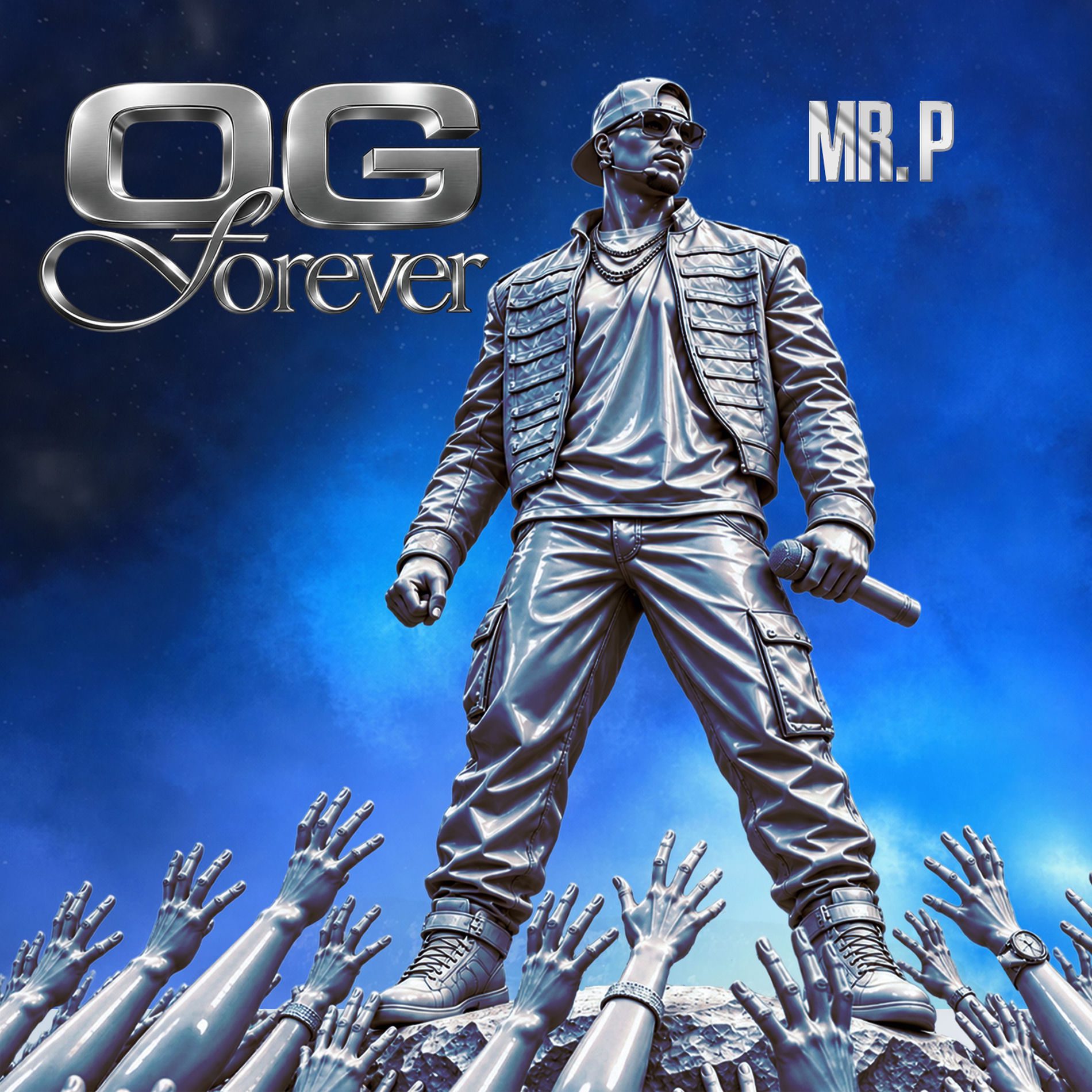
Nigerian singer Peter Okoye, popularly known as Mr P, has defended his use of artificial intelligence in music, comparing the technology to Auto-Tune and revealing that it helped mix a song on his new album.
In a video shared on X, the former P-Square member told guests at the album's listening party that AI took part in mixing the project. Rather than asking them to take his word for it, he invited them to listen and judge for themselves.
P-Square, the duo he formed with his twin brother Paul Okoye, grew into one of Africa's most recognisable pop acts before the brothers pursued solo careers, with Peter adopting the stage name Mr P.
"I don't have anything against it. I think that's come to stay," he said, addressing critics who object when musicians use AI.
In his view, such objections ignore the technologies music already runs on. Auto-Tune did not always exist, and neither did the software producers use today to chop and arrange beats. Both were new once, and both were accepted, he argued, asking why AI should be held to a different standard.
Mr P also rejected the idea that AI replaces the artist. Someone still has to decide what the song should sound like and tell the tool what to do — and for him, that person is the musician. He added that it remains wise to invest in songwriting while using AI. The album also features a trap song, he noted, a genre he described as particularly difficult to mix.
Explaining his position further, Mr P questioned why musicians should reject artificial intelligence when the industry has embraced other technologies that were once unfamiliar. He pointed to Auto-Tune, which allows producers to correct or alter vocal pitches, and to digital music production software that has changed how songs are recorded and arranged. Those technologies, he argued, were also new at some point but eventually became accepted parts of music production.
He likewise dismissed the notion that using AI necessarily removes the artist from the creative process. According to him, musicians still need to decide how their songs should sound and provide the creative direction that guides the technology. He encouraged artists to continue investing in songwriting rather than depending entirely on AI tools.
Mr P did not identify the software used to mix "Back 2 Back," nor did he explain how much of the song's production involved artificial intelligence. Mixing is the studio stage in which a song's recorded tracks are balanced, blended, and polished into a finished sound. The distinction matters, because AI-assisted mixing is different from using generative AI to create vocals, melodies, or complete recordings.
Music production has undergone several technological shifts over the decades. Auto-Tune, introduced in 1997 as a pitch-correction tool, became widely recognised after American singer Cher used it to create the distinctive vocal effect heard on her 1998 hit Believe. The technology subsequently became a familiar part of popular music, with artists such as T-Pain adopting its effects as a defining feature of their sound.
Digital recording software has also made music production more accessible, allowing independent artists to record, arrange, and edit songs using laptops and relatively affordable equipment. In Mr P's view, AI represents another stage in that evolution.

