Michigan College President Fired After Proselytizing Indigenous Boarding School Survivor
Key Takeaways
- •Mott Community College fired President Shaunda Richardson-Snell after multiple accusations that she promoted Christianity while in office, with the four board members who voted for her removal offering no public explanation.
- •Richardson-Snell asked Wayne Wilson, a Navajo Nation member and survivor of a federally run Christian boarding school, whether he had accepted Jesus Christ as his personal savior during the campus Peace and Dignity Ceremony.
- •Retired Mott professor Celia Perez Booth publicly denounced the president's conduct at a board meeting, saying it evoked painful memories of boarding school abuse and contradicted the college's commitment to civility.
- •New allegations that emerged in February claimed Richardson-Snell passed out religious literature to students and faculty and created a workplace culture in which employees who disagreed with her religious views were reprimanded or fired while allies were promoted.
- •Richardson-Snell, who became permanent president in 2025 without a formal competitive search and denied any wrongdoing, was subject to accusations that touch the First Amendment Establishment Clause, which generally bars public college officials from advancing religion in their official capacity.
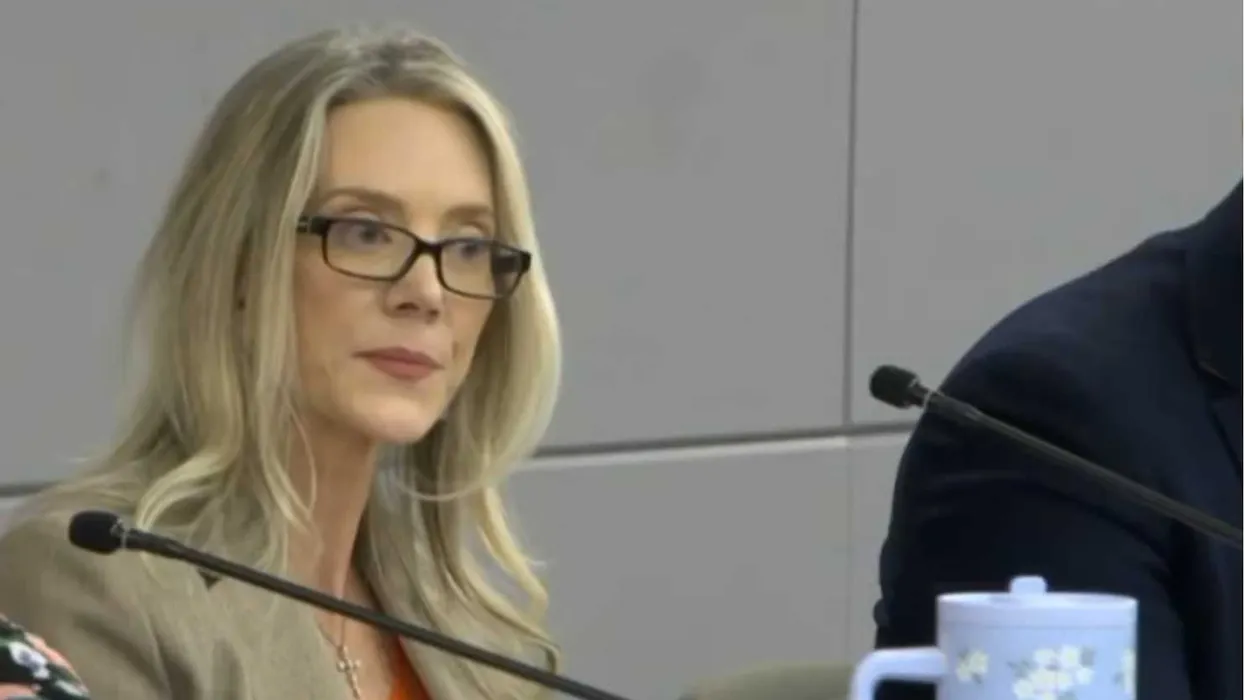
The president of Mott Community College in Flint, Michigan, has been fired after multiple accusations that she promoted Christianity while in office — including a question directed at a Native American survivor of a federally run Christian boarding school.
Wayne Wilson, a member of the Navajo Nation, planted a “Peace and Dignity Tree” on the school’s campus in 1992 and has returned regularly on Indigenous Peoples’ Day to take part in its annual Peace and Dignity Ceremony. Wilson spoke during the ceremony and mentioned living in a federal Indian boarding school run by Christians.
“She asked me if I had accepted the Lord Jesus Christ as my personal savior,” Wilson said. “I couldn’t believe it. I thought: Has she not read the history of boarding schools?”
Indigenous boarding school survivors are individuals affected by government- and church-run residential schools established to assimilate Indigenous children into dominant cultures. In the United States, institutions operating throughout the 19th and 20th centuries frequently separated children from their families, banned Indigenous languages and cultural practices, and often subjected students to harsh discipline and abuse. That history remains part of a present-day federal reckoning: the U.S. Department of the Interior launched the Federal Indian Boarding School Initiative in 2021 to investigate the schools’ legacy, and President Joe Biden issued a formal apology for the boarding school era in 2024.
According to Friendly Atheist, retired Mott professor Celia Perez Booth publicly called out President Shaunda Richardson-Snell’s behavior weeks after the incident while speaking at a board meeting (video).
“Shaunda, your contemptuous, despicable behavior is not acceptable to us,” Perez Booth said. “For your education and enlightenment, Shaunda, American Indians were not born in sin like Christians, so we do not need to be saved by anyone. And it is disgusting to us as the people of First Nation that more than 500 years later, we as American Indians have to endure a Christian’s continued intrusion on our spiritual rights and, I suspect, attempts of conversion.”
“Your behavior, Shaunda, brings back a lot of ugly, painful memories of abuse by this government and at the hands of Christians, especially in the boarding schools. And as a people, we are still healing from that historical trauma,” she continued. “Your contemptuous and despicable behavior contradicts the college’s commitment to civility.”
Perez Booth added that “other people heard you and were shocked by your repugnant question.”
At the time, the board released only a statement citing the college’s “responsibility to maintain an environment that is inclusive and welcoming to people of all faiths and those with no religious affiliations.” But in February, new allegations emerged, with reports that Richardson-Snell had passed out religious literature to students and faculty members. The accusations touch a long-standing legal boundary in American public education: under the First Amendment’s Establishment Clause, officials at public colleges are generally barred from advancing religion in their official capacity.
Michigan Advance reported that witnesses complained the president was creating a workplace culture in which those “who do not agree with her religious musings are either reprimanded or fired, while those who do agree are elevated and promoted.” Richardson-Snell, who became permanent president of the college in 2025 after nearly a year as interim president — and without a formal, competitive search for other candidates — denied any wrongdoing.
Friendly Atheist reported that the investigation “stalled out” until this past Monday, when Richardson-Snell was fired.
“No formal explanation was given — and the four board members who voted for her expulsion didn’t explain their decision publicly or to reporters — but it’s hard to ignore how the allegations of religious proselytizing overshadowed everything else she was doing,” the outlet reported, adding: “No college president should cosplay as a pastor. No one should have to fear that their conversations with a school’s president will turn into a recruiting pitch for Jesus, or that challenging those views could hurt their job prospects. This isn’t just about promoting religion; it’s about promoting religion in a position of authority.”
Flint resident Kathy Watchorn told ABC News Channel 12 that some members of the board had been “elected for one specific purpose: to put Richardson-Snell as president of the college” a few years ago. Attention now turns to how Mott chooses her successor — and whether that process will include the formal, competitive search that her own 2025 appointment skipped.

