'Savagely brutal' map: Incoming NRSC chair Bernie Moreno says Trump complicates GOP's path to reclaiming the Senate
Key Takeaways
- •Sen. Bernie Moreno, the incoming NRSC chair, called the Senate map facing Republicans after their 2026 midterm defeat 'savagely brutal' and is strategizing to rebuild the party over the next two years.
- •President Trump's economic policies and his loss of voter support contributed to the GOP's midterm losses, but he retains substantial power over the party and its primaries.
- •Reports that Vice President J.D. Vance will run for president in 2026 have heightened tensions within the GOP, though Moreno maintains close relationships with both Trump and Vance.
- •Moreno has declined to publicly hold Trump accountable for the party's losses, previously attributing a potential defeat to voter anger over high gas prices.
- •The NRSC's early recruitment decisions in competitive states will be the first tangible indicator of the party's post-midterm direction, with one senior Republican warning there will be 'no patience for bad recruits this cycle.'
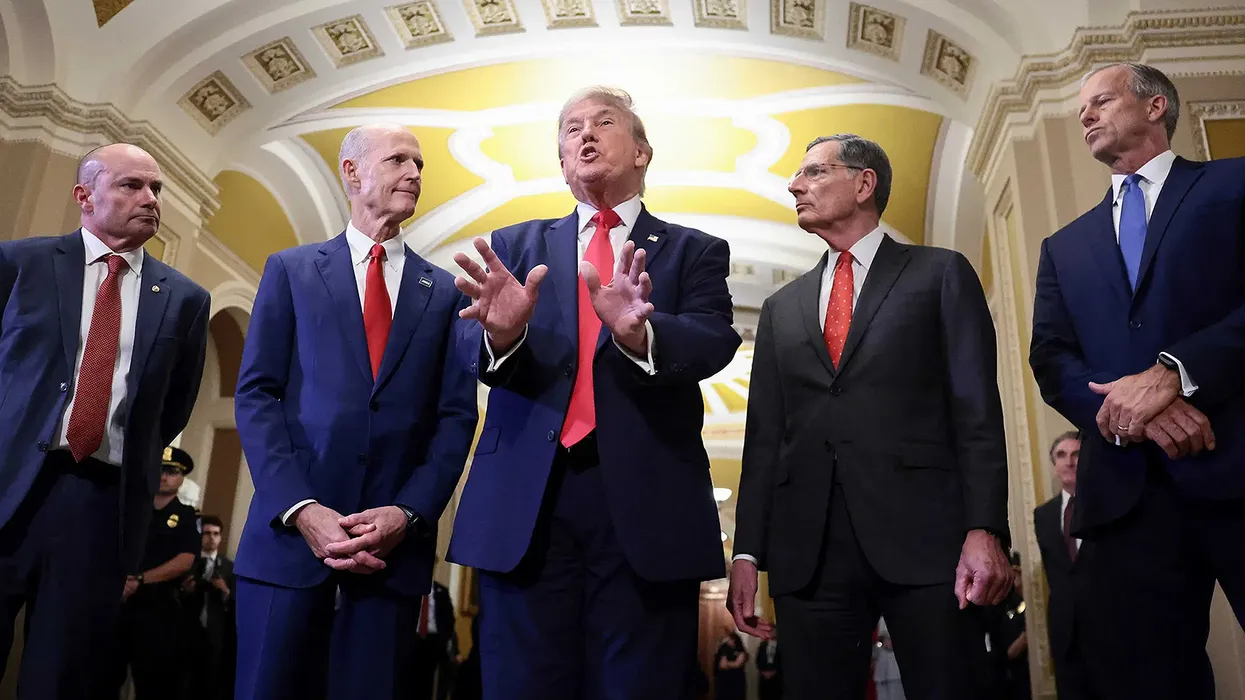
Sen. Bernie Moreno, the incoming chair of the National Republican Senatorial Committee, is offering an unusually blunt assessment of his party's position after its defeat in the 2026 midterm elections. The NRSC serves as the Senate GOP's campaign arm, responsible for recruiting candidates, raising money, and shaping strategy in races that decide Senate control.
"Looking at it right now, it's absolutely a savagely brutal map," Moreno said in an interview on Capitol Hill. He said he is now strategizing how to rebuild the party's foundation over the next two years. The stark language reflects a structural reality: Senate seats come up in staggered six-year terms, so each cycle exposes a different mix of incumbents and open seats — and some maps leave one party far more exposed than the other.
But the GOP faces a central complication: President Donald Trump himself. Trump's economic policies and his loss of support contributed to the party's midterm losses, yet — in the eyes of many of his affiliates — he has not moved to correct course. Trump retains substantial power over the GOP and its primaries (the contests that, in most states, decide whose name reaches the general-election ballot), and tensions have been heightened by reports that Vice President J.D. Vance will run for president in 2026.
Moreno maintains close relationships with both Trump and Vance. Asked how the White House would approach recruiting new members to the party, Moreno replied, "We're going to work on all of that," as reported by Politico. Still, the road ahead is expected to be difficult. The committee's early recruitment decisions in competitive states will be the first tangible gauge of the party's post-midterm direction.
Moreno appears loyal to Trump to a fault, declining to publicly hold the president accountable for the state the party is currently in. Ahead of the midterm elections, Moreno said that if Republicans lost, it would be because voters were "p—— off" about high gas prices — a framing that further signaled his unwillingness to distance himself from Trump and his influence, even where it remains damaging.
As Meredith Lee Hill of Politico writes, Moreno is not the only one facing a decision about how to salvage what remains and rebuild. "The party is currently undergoing a reckoning of how closely to align with the president after voters delivered an uncompromising rebuke of Trump's economic agenda," Hill notes.
Before anything else, Moreno and Senate Republicans must find candidates capable of winning general elections in competitive states after the midterm wipeout — a task made considerably harder by Trump. Because Senate control is decided seat by seat in statewide contests, the quality of each recruit carries direct consequences for the chamber's balance. Hill argues that Republicans need to push back against the president, but history suggests that is unlikely, as members of his administration have refused to speak up. Even so, Hill writes, something has to change.
"There will be no patience for bad recruits this cycle," one senior Republican told Politico on the condition of anonymity, referring to previous mistakes made.

